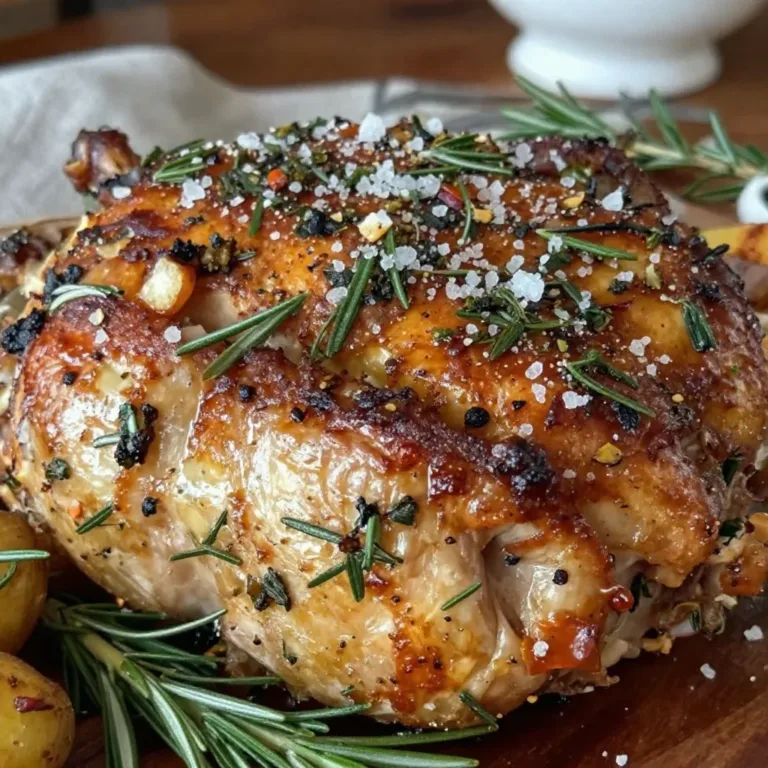
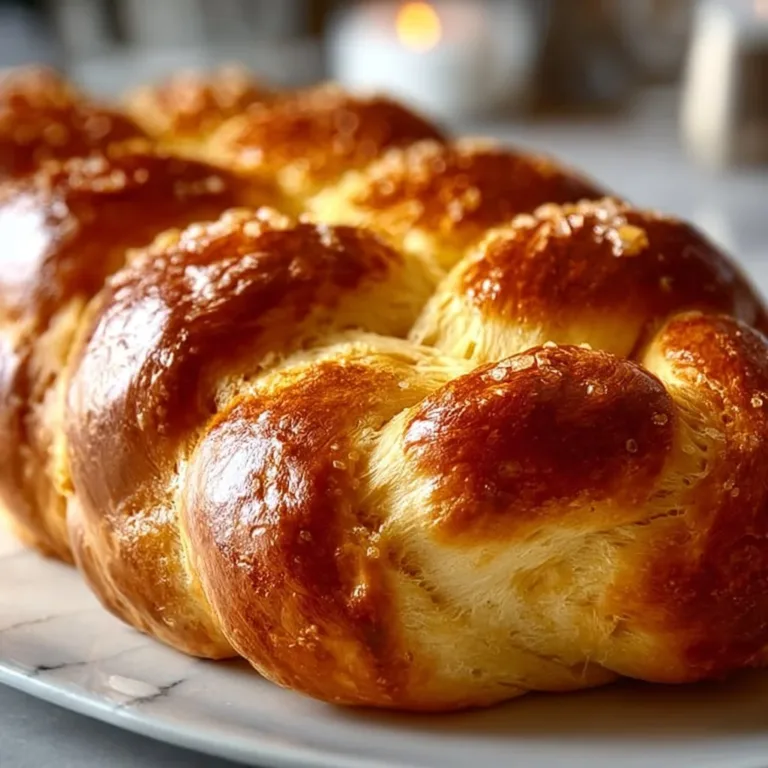
The kitchen fills with a warm, yeasty smell and the kids crowd the counter to see the braid take shape. That small ritual of braiding dough, brushing it with egg, and waiting for it to turn glossy and golden is why Easter Bread lives in my family rotation. It feels special enough for a holiday and relaxed enough for a weeknight. If you like hands-on, simple baking that brings people together, you are in the right place. If you want a quick project to pair with a simple roast or a bowl of soup, try this after you read about my easy Easter cake project for beginners beginner Easter cake project that kids love.
Why You’ll Love This Easter Bread

Easter Bread earns its spot on the table because it hits a rare balance: comforting, homemade flavor without a mountain of fuss. It takes a little time for the dough to rise, but your hands-on work is short. That makes it perfect for busy weeks when you still want something homemade.
The loaf braids up pretty fast and gives you a lovely centerpiece. It makes about one sizable loaf, which is enough for a family dinner and a few leftovers for toast the next morning. You can serve it sweet or slightly savory, and it plays well with spreads, cheese, or a simple bowl of stew.
Because it uses pantry staples and a straightforward method, it is forgiving for new bakers and flexible for experienced cooks to tweak. For a quick win that smells like comfort and looks impressive without extra work, this recipe delivers. Meanwhile, it cleans up with only one main bowl and a baking sheet. You’ve got this.
How to Make Easter Bread the Easy Way
“If it smells this good halfway through, you know dinner’s gonna be great.”
Start by warming the milk and waking the yeast. From there you mix, knead, and let the dough do the heavy lifting. The dough should be soft, slightly tacky but not sticky, and elastic when it bounces back after a poke.
When the dough first rises, it will look puffy and hold a shallow indentation when you press your finger in. That’s a good sign. After you braid and shape it, the second rise should be shorter. You want the loaf to puff noticeably, but not double again. Brushing with egg wash gives the top a glossy, golden finish that looks like you spent more time on it than you did.
Texture cues: the finished loaf is tender and slightly chewy with a soft crumb. Color cues: a deep golden brown top and a pale, fluffy interior. Aroma cues: warm milk, butter, and vanilla. Those three signals tell you this Easter Bread came out right.
Ingredients You’ll Need
4 cups all-purpose flour
1/2 cup granulated sugar
1 tablespoon active dry yeast
1 teaspoon salt
1 cup warm milk
1/2 cup unsalted butter, melted
2 large eggs
1 teaspoon vanilla extract
1 egg wash (1 egg mixed with 1 tablespoon water)
Notes: use what’s in your fridge; no fancy stuff needed. If your milk is cold, warm it gently until it is warm to the touch but not hot. Don’t skip the yeast step where it blooms. That’s where the dough gets its lift. If you are curious about similar simple bread or sweet loaf ideas, I’ve tested reliable banana bread recipes that use pantry staples, like this classic banana bread banana bread, and they are great when you want a different kind of quick bake.
Step-by-Step Directions
- In a mixing bowl, combine warm milk and sugar.
Sprinkle yeast on top and let it sit for 5-10 minutes until bubbly.
This wakes the yeast and confirms it is active. If it does not get bubbly, your yeast might be old. - In a large bowl, mix flour and salt.
Add melted butter, eggs, and vanilla. Pour in the yeast mixture.
Stir until the dough begins to come together and no dry flour remains. - Knead dough for about 5-7 minutes until smooth.
Use a lightly floured surface or a stand mixer with a dough hook.
The dough should be elastic and slightly tacky when ready. - Place dough in a greased bowl, cover, and let rise in a warm place for 1-2 hours, or until doubled in size.
A draft-free corner of the kitchen works well.
You can warm an oven briefly, then turn it off and let the bowl rise inside for a steady temperature. - Punch down the dough and divide it into three equal pieces. Roll each piece into a long strand and braid together.
Keep the strands even so the braid bakes uniformly.
Don’t over-tighten the braid; you want air pockets to remain. - Place the braided loaf on a baking sheet lined with parchment paper. Cover and let it rise for another 30-45 minutes.
While it rises, preheat the oven so it’s ready when the loaf is puffed.
If the braid loses shape, gently reshape it before the oven. - Preheat the oven to 350°F (175°C). Brush the loaf with the egg wash.
Brushing gives the loaf that shiny, golden crust.
A light coat is enough; too much can run off and make it heavy. - Bake for 25-30 minutes until golden brown. Let cool before serving.
Tap the bottom; it should sound hollow when done.
Once cooled, slice with a serrated knife. Enjoy warm or at room temperature.
Quick tips inside steps: keep stirring until smooth when combining. A little browning adds flavor, but watch the last 5 minutes so it does not overbake. If the top is browning too fast, tent a bit of foil over it.
Serving Easter Bread at the Table
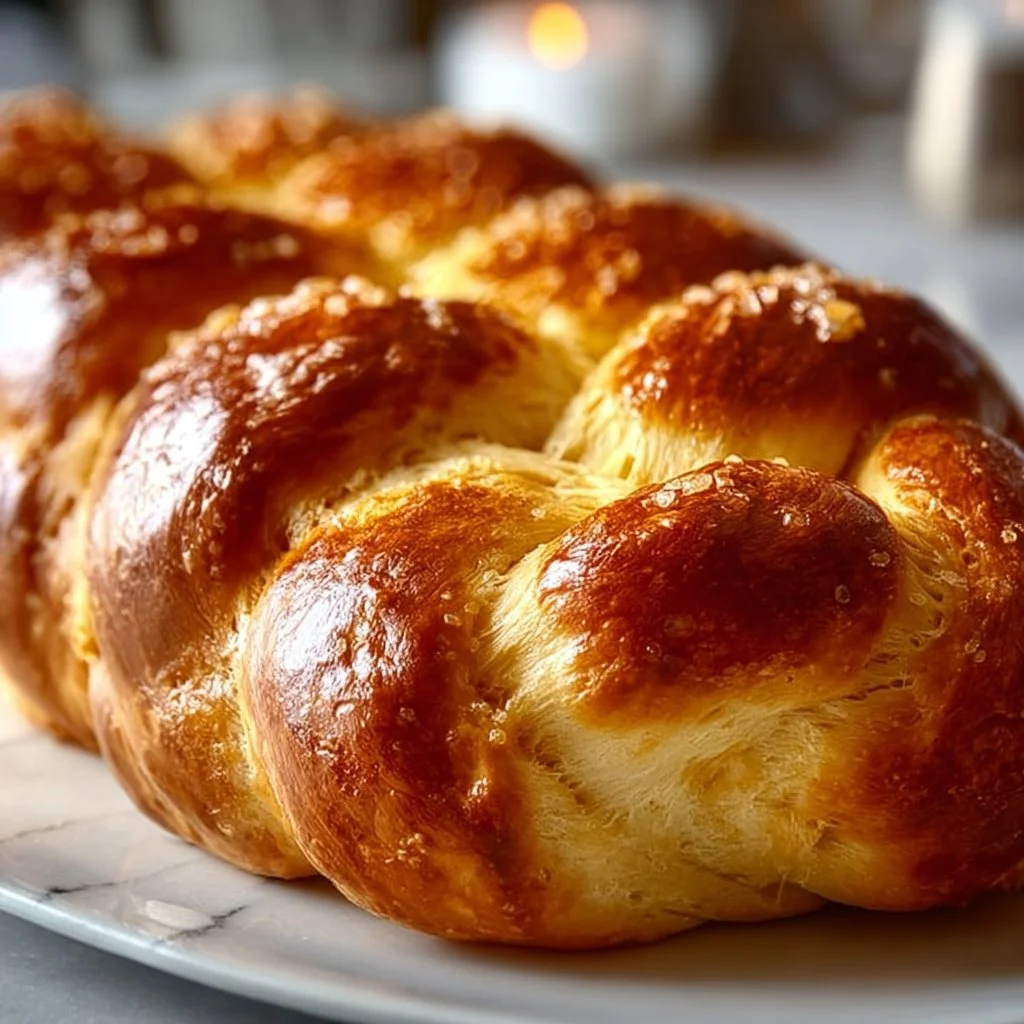
I like to slice the loaf family-style and set it in the middle of the table so everyone can help themselves. Serve it with softened butter, a little honey, or a smear of ricotta and jam. For a savory meal, pair it with roasted meats, green salad, and a bright vinaigrette.
If you are serving a crowd, cut the loaf into thicker slices and arrange them on a platter. For a casual brunch, serve small slices with scrambled eggs and roasted tomatoes. For dinner, a thick slice works as a side to soups and stews. Leftovers make excellent toast with coffee the next morning.
Want to bring it to a potluck? Slice it and place it in a box or on a board with a small knife and butter. It holds up well for a few hours at room temperature, so you don’t need to fuss with reheating if you are short on time.
Storage & Reheat (No Soggy Leftovers)
To keep the texture, store leftover Easter Bread at room temperature wrapped in a clean kitchen towel or in a bread box for up to 2 days. For longer storage, place the cooled loaf in a tightly sealed plastic bag or an airtight container and refrigerate for up to a week.
For the freezer, slice the cooled loaf and wrap slices individually in plastic wrap, then place in a freezer bag. It will keep for up to 3 months. Defrost overnight in the fridge or at room temperature for a couple of hours.
Reheating: the microwave is fast but can make slices a bit soft or chewy. For a crisper crust and fresh-baked feel, reheat in a 325°F oven for 8-10 minutes, or toast slices in a toaster. If the crumb seems dry, brush a little water on the crust before reheating to help restore moisture.
Honest tip: once cooled and wrapped, the loaf holds its flavor well, but the oven or toaster will always bring back that fresh texture better than the microwave. If you plan to use it in sandwiches, slice and freeze ahead so you can pull out just what you need.
Quick Tips & Shortcuts from Ethan’s Kitchen
- Speed up the rise: place the dough near a warm stove or inside a turned-off oven with a pan of hot water on the rack below. It gives a steady, warm environment without overheating.
- Less mess: mix and knead in a stand mixer if you have one. It cuts down on flour on the counter and keeps cleanup simple.
- Use room-temperature eggs and warm, not hot, milk. Cold ingredients slow the yeast; hot ones can kill it.
- Make-ahead trick: you can do the first rise in the fridge overnight. That slow rise improves flavor and frees up your morning. Bring the dough to room temperature and finish as usual.
- Related simple loaves: If you love one-bowl quick breads, I keep a few no-fuss recipes handy for busy days, like this easy banana loaf without baking soda banana bread without baking soda that uses what you already have.
Variations That Work
- Sweet citrus twist
Add the zest of one orange or lemon to the dough and sprinkle the top with a simple glaze made from powdered sugar and lemon juice after baking. This brightens the loaf without adding complexity. - Nutty and seeded
Fold chopped toasted almonds or walnuts into the dough before the final braid. Sprinkle sesame or poppy seeds on top after the egg wash for texture. - Dried fruit and spice
Mix 1/2 cup chopped dried fruit, like apricots or raisins, with a teaspoon of cinnamon and fold into the dough. Soak the fruit in warm milk for 10 minutes first to plump it up. - Savory herb
Skip the sugar or cut it in half. Add 1 tablespoon finely chopped rosemary and 1/2 teaspoon black pepper. Brush with olive oil instead of egg wash for a rustic look. It pairs beautifully with roasted lamb or chicken. - Egg-decorated classic
Traditionally, Easter Bread can include dyed eggs tucked into the braid before baking. If you want this look, use fully cooked, cooled, hard-boiled eggs and tuck them into the braid at equal intervals. Make sure the eggs are wrapped lightly in foil to avoid color bleeding onto the dough. - Cheesier version
Add 1/2 cup ricotta to the dough for a softer crumb and richer flavor. Reduce the milk by a couple of tablespoons to keep the dough from getting too wet.
These swaps keep the basic process the same but let you match the loaf to the meal or mood. Don’t overthink it. Try one change at a time until you find your favorite.
Troubleshooting: When Things Go Wrong
If the dough does not rise
Check the yeast. Yeast older than its expiration or stored poorly may fail. Make sure the milk is warm, not hot, when you mix it with yeast. If it does not foam within 10 minutes, start over with fresh yeast.
If the dough is sticky and hard to handle
Add flour sparingly, a tablespoon at a time, while kneading. The dough should be slightly tacky but not sticking to your fingers.
If the top browns too fast
Tent a piece of foil over the loaf for the last 10 minutes of baking. That keeps the interior cooking while protecting the crust.
If the loaf is dense
Knead a bit more to develop gluten, and ensure the dough had enough time to rise. Under-proofed dough stays tight and yields a heavy loaf.
If eggs in the braid crack or bleed color
Use fully cooked hard-boiled eggs wrapped in foil, or skip eggs altogether and use an egg wash brushed across the braid for shine.
FAQs About Easter Bread
Can I make this ahead?
Yep. It actually tastes even better the next day when the flavors settle. For best texture, slice and toast leftover slices or warm briefly in the oven.
Can I use instant yeast instead of active dry?
Yes. If using instant yeast, mix it directly with the dry ingredients and reduce the proof time slightly. Follow the package instructions for amounts.
Is this recipe freezer-friendly?
Definitely. Slice and freeze for quick breakfasts or snacks. Wrapped well, slices keep for up to 3 months.
Can I make smaller rolls instead of one loaf?
Absolutely. Divide the dough into smaller balls, shape into rolls, and let rise for 20-30 minutes. Bake at the same temperature but check around 15-20 minutes depending on size.
What if I don’t have parchment paper?
Lightly grease the baking sheet and dust with a little flour. The bread might brown a bit more on the bottom, so watch the last few minutes of baking.
My Favorite Serving Combos and Pairings
For breakfast or brunch, slice the loaf and serve with butter, citrus jam, and a pot of coffee. Add a side of fried eggs and roasted potatoes if you are feeding a crowd.
For dinner, serve thick slices with a roast chicken and steamed greens. The bread soaks up gravy and sauces nicely without falling apart.
For a light dessert, warm a slice, spread ricotta and honey on top, and add a sprinkle of toasted almonds or a few berries.
If you want to turn leftovers into a decadent treat, make a bread pudding. Tear the slices into chunks, soak them in a custard, and bake until set. It is an easy upgrade that keeps the same comforting flavors.
A Few Notes From My Kitchen
I learned to braid bread from my dad. He made it once for a holiday and declared it perfect with a shrug like he had no idea what impressed everyone. Over the years I simplified the method because I cook on weeknights. The fewer bowls and the less fuss, the more likely a recipe makes it to the table.
I always keep an extra cup of flour on the counter while shaping. It feels wasteful sometimes to add flour, but a slightly tidy counter is worth a better-shaped loaf. Also, set a timer for each rise. It is easy to forget dough in the corner of the kitchen and let it overproof. When that happens, the loaf can collapse in the oven and lose that lovely shape.
If you have kids, let them help braid. The uneven braid looks charming and kids love being part of the process. It also buys you some hands-off time while the dough sits.
If you are juggling multiple dishes, do the first rise in the fridge overnight. It keeps your day flexible and makes the flavors a bit deeper. The slow fermentation gives a nicer crumb with minimal extra work.
Conclusion
Thanks for reading. If you want to see a colorful version of Easter Bread or a blogger’s take on the classic, I recommend the comforting, photographed version on Italian Easter Bread – Sprinkle Bakes for inspiration and visuals. For a traditional Italian approach and more background on the practice of including eggs in the braid, the write-up at Traditional Italian Easter Bread Recipe is a helpful reference.
If you try this braid and your family licks the plate, don’t say I didn’t warn you. Keep it simple, trust the process, and enjoy the smell it’s half the meal.

Easter Bread
Ingredients
Main Ingredients
- 4 cups all-purpose flour
- 1/2 cup granulated sugar
- 1 tablespoon active dry yeast Ensure it blooms before use.
- 1 teaspoon salt
- 1 cup warm milk Warm to the touch but not hot.
- 1/2 cup unsalted butter, melted
- 2 large eggs Use room temperature.
- 1 teaspoon vanilla extract
- 1 egg egg wash (1 egg mixed with 1 tablespoon water) For glazing the loaf.
Instructions
Preparation
- In a mixing bowl, combine warm milk and sugar.
- Sprinkle yeast on top and let it sit for 5-10 minutes until bubbly.
- In a large bowl, mix flour and salt.
- Add melted butter, eggs, and vanilla. Pour in the yeast mixture. Stir until the dough begins to come together and no dry flour remains.
Kneading
- Knead dough for about 5-7 minutes until smooth and elastic.
- Place dough in a greased bowl, cover, and let rise in a warm place for 1-2 hours, or until doubled in size.
Braising
- Punch down the dough and divide it into three equal pieces. Roll each piece into a long strand and braid together.
- Place the braided loaf on a baking sheet lined with parchment paper. Cover and let it rise for another 30-45 minutes.
Baking
- Preheat the oven to 350°F (175°C). Brush the loaf with the egg wash.
- Bake for 25-30 minutes until golden brown. Let cool before serving.