The house smells like a slow afternoon. Pots clink in the sink. Kids hover at the kitchen counter like little weather radar, waiting for that dinner signal. When you pull the lid off and steam rises, it feels like the whole day folds into a warm chair at the table. That is the kind of evening Traditional Irish Corned Beef and Cabbage makes simple, comforting, and reliably loved.
I keep a note on my phone with a shortcut to this dish because it saves me from thinking too hard on busy nights. If you need a weeknight win that feeds a crowd and makes great leftovers, you’ve found it. For an idea of pairing or riffing on cabbage in other quick meals, I sometimes glance at a cabbage and ground beef recipe for inspiration.
Why Traditional Irish Corned Beef and Cabbage Deserves a Spot in Your Weeknight Rotation
This meal hits so many marks: it is low fuss, feeds a family easily, and the pot cleans up with one soak.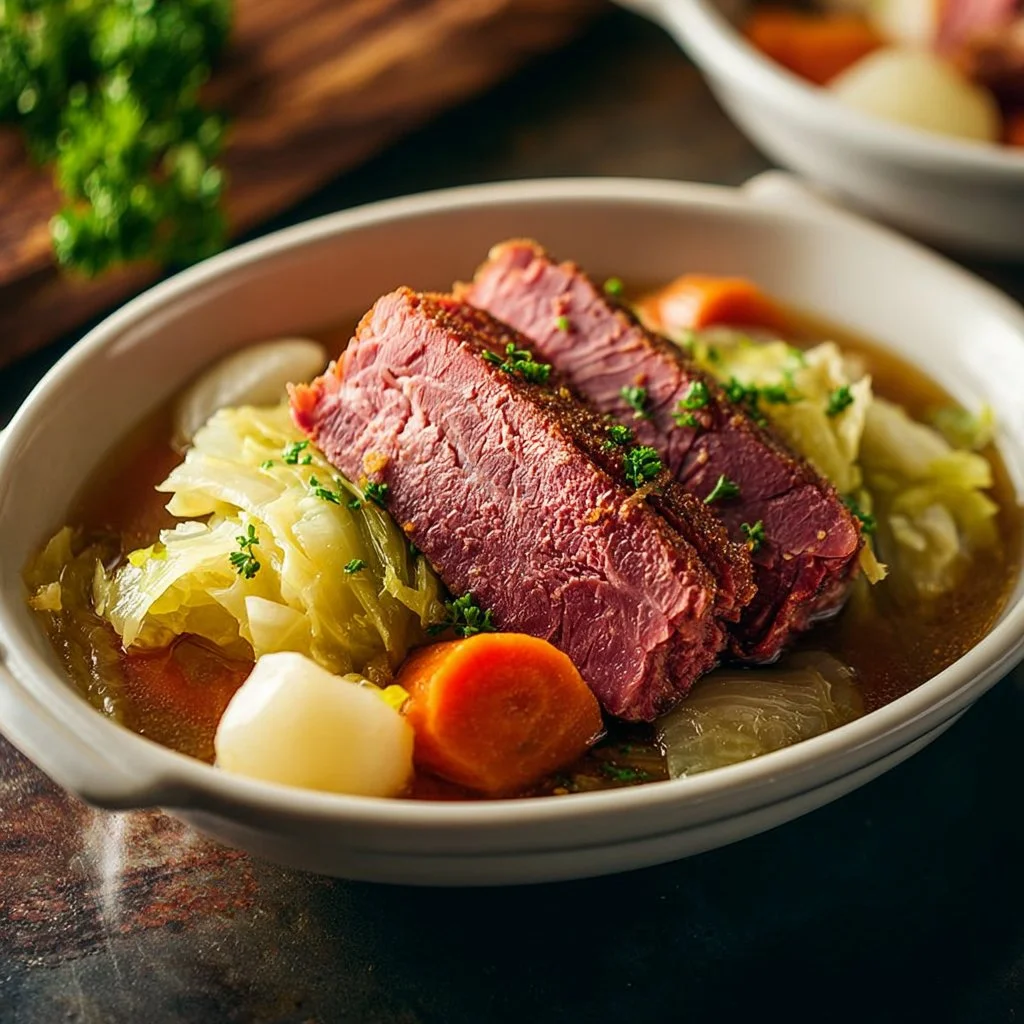
If you like meals that mostly cook themselves, this one is a keeper. You do a bit of prep, then let simmering do the work. The meat becomes tender enough to slice thin, the veggies soak up the broth, and everyone gets warm plates without a lot of sprinting around the kitchen.
It is forgiving. If life gets in the way and you need to turn the heat down and walk away, the beef will be fine. If you need to kick this up for a crowd, double the veg and make extra potatoes. Meanwhile, the simple flavors mean picky eaters usually find at least one thing they love on the plate.
I’ve found it pairs well with casual sides, and sometimes I use the brisket for sandwiches the next day for that you can check my favorite take on leftover corned beef in a stacked sandwich idea at my corned beef sandwich guide.
How to Make Traditional Irish Corned Beef and Cabbage the Easy Way
“If it smells this good halfway through, you know dinner’s gonna be great.”
Let’s keep this simple: sear or sauté onions, add the brisket, cover with broth and water, add spices, and simmer until the meat is tender. Next up, you add the hearty root vegetables, then the cabbage so it turns bright green and keeps a bit of bite.
Look for color and texture signals to know you’re on track. The broth should smell savory and lightly spiced. The brisket will go from firm to fork-tender when it is done. The carrots and potatoes should be soft but not falling apart. The cabbage should be a vivid green and still have a little snap to it that is when you pull it off.
A few texture cues I trust: the meat should pull apart slightly when you prod it with a fork. The potatoes should yield with a clean knife. The cabbage should be tender, but not mushy. From there, a quick slice against the grain is all you need before plating.
Ingredients You’ll Need
- 3–4 lbs flat-cut brisket
- 4 cups low-sodium beef broth
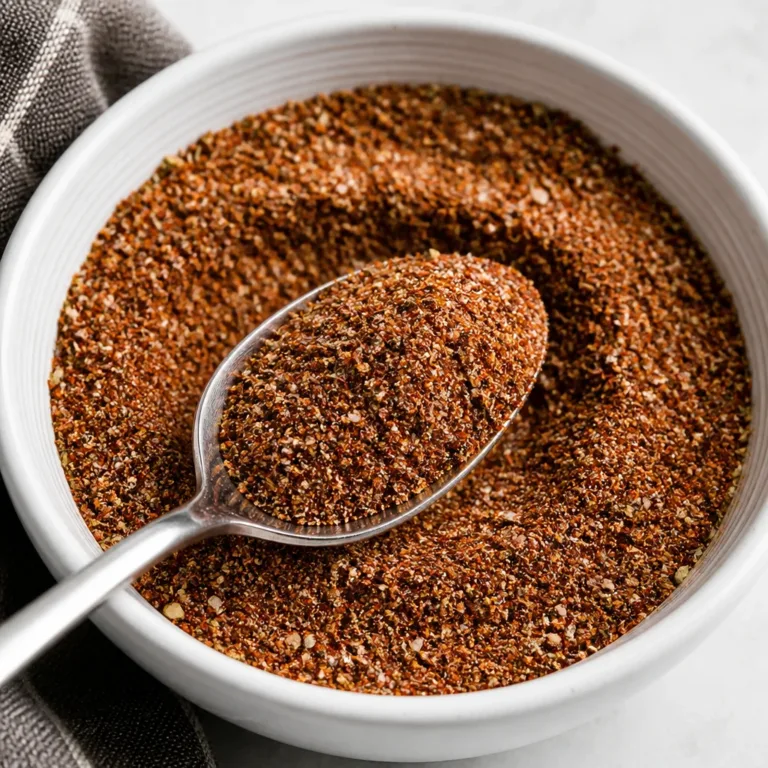
- 2 tbsp pickling spice
- 3–4 cloves fresh garlic, smashed
- Water (enough to cover brisket in pot)
- 2 bay leaves
- 1 medium onion, diced
- 1 head green cabbage, cut into wedges
- 4 large carrots, peeled and chopped
- 4 medium Yukon Gold potatoes, peeled and chopped
Quick notes: Don’t skip the garlic it melts into the broth and adds warmth. Use low-sodium broth so you can control the salt. If the pickling spice packet that often comes with store-bought corned beef is handy, use that. No need to buy fancy ingredients; this is practical cooking at its best.
If you want to experiment, add a parsnip or two with the carrots. If you are feeling brave, throw in a few peppercorns or a small strip of orange peel for a slightly brighter edge.
Step-by-Step Directions
- Rinse the brisket under cold water thoroughly to remove excess surface salt, then pat dry with paper towels.
This cleans off extra curing salts and helps the final flavor balance. - In a large pot over medium heat, add a small amount of oil or butter and sauté the diced onions until translucent and soft, about 5 minutes.
Let onions sweat, not brown too much; you want sweet, not bitter. - Place the brisket into the pot with the sautéed onions.
Sit the meat flat so it cooks evenly and takes on flavor from the onions. - Pour in the beef broth and enough water to cover the meat.
Use hot water if your broth is cold so you don’t stall the simmer. - Add the bay leaves, smashed garlic cloves, and pickling spice.
Tuck the spices around the meat so they spread flavor through the liquid. - Bring the liquid to a gentle boil over medium-high heat.
A lively boil gets things moving quickly before you slow it down. - Once boiling, reduce the heat to low.
Cover the pot and allow the brisket to simmer gently for about 3 hours, or until the meat is tender when pierced with a fork. - Add the chopped carrots and potatoes to the pot.
Cover again and cook for an additional 30 minutes, allowing the vegetables to soften. - Stir in the cabbage wedges.
Cover the pot once more and cook for 15-20 minutes. The cabbage should become bright green and tender but still retain some crispness. - Remove bay leaves and garlic cloves before serving.
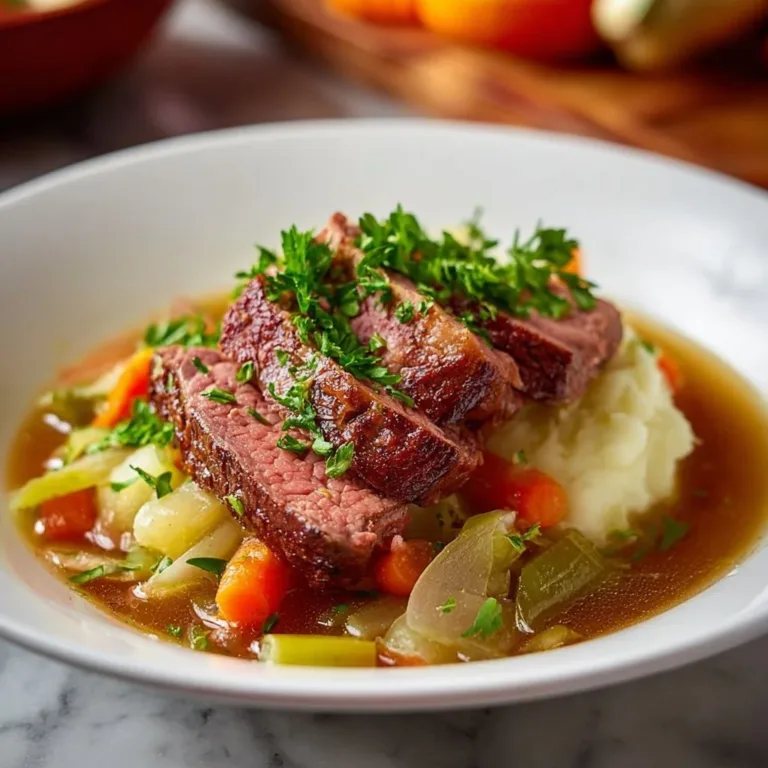
Those get tossed; they have done their job of flavoring the broth. - Slice the corned beef against the grain, plate with the cooked vegetables, and spoon some broth over the top for a hearty meal.
Thin slices make the meat easier to eat and highlight tenderness.
Quick tips and encouragement: Keep a gentle simmer rather than a rolling, angry boil. A slow simmer makes the meat tender and keeps the broth clear. Don’t skip slicing against the grain it changes everything in mouthfeel. You’ve got this.
What to Watch For While Cooking
Keep an eye on the pot the first time you try this recipe. The water level will drop with simmering, so if you need to top up, use hot water and a little broth if you have it. The pickling spice can be bold, so if you prefer milder flavor, start with 1 tablespoon and taste the broth once the meat is done. Use a thermometer if you like precision: brisket is very tender when it reaches around 190 to 200 F, but you can test tenderness by piercing with a fork.
Serving Traditional Irish Corned Beef and Cabbage at the Table
Serve this dish family-style straight from the pot for a cozy, no-fuss dinner.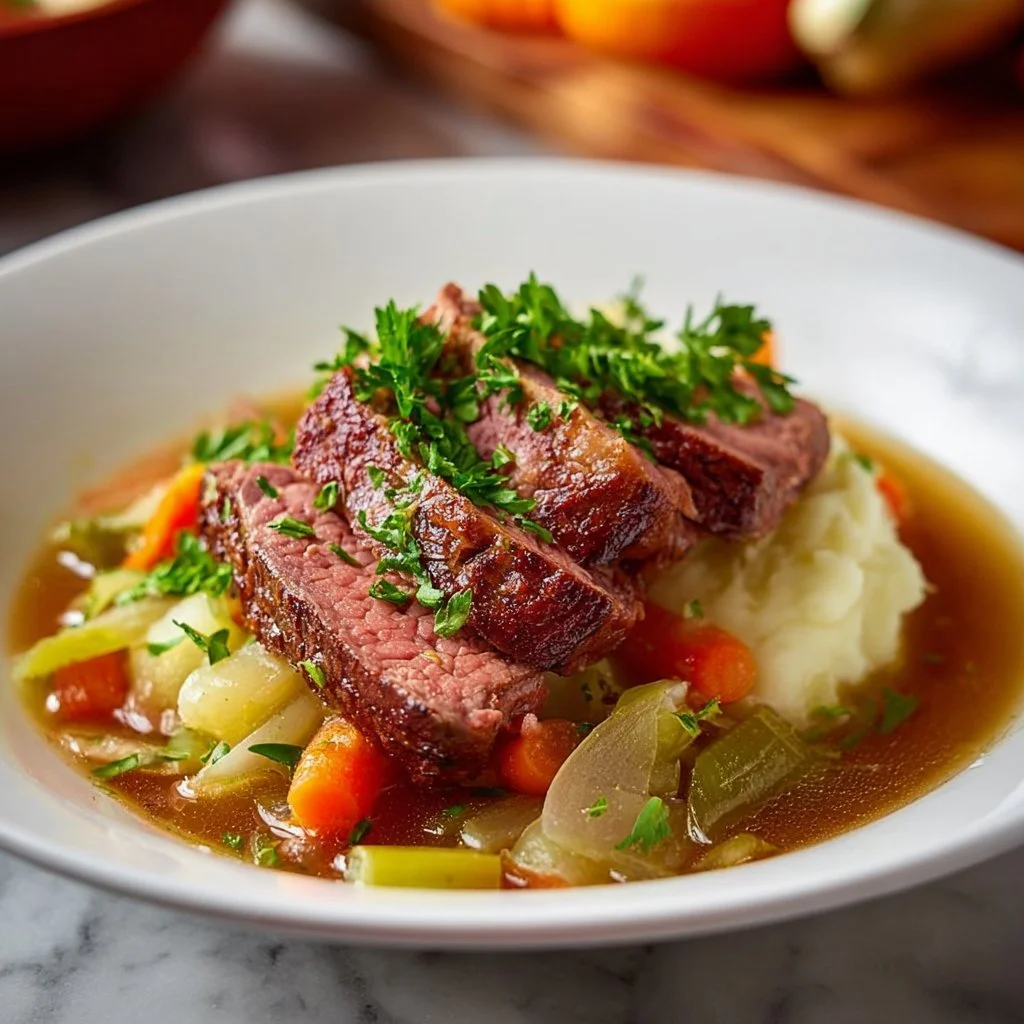
I like to set the sliced brisket on a platter and arrange vegetables around it. Spoon a few ladles of the hot broth over everything to keep plates moist. A little whole-grain mustard or a creamy horseradish on the side is excellent if people want a sharp counterpoint.
For leftovers, cut the meat into sandwich-thin slices and layer with Swiss cheese and sauerkraut on rye. If you prefer something lighter, plate smaller portions over a simple green salad.
When I have friends over, I sometimes set out a “fixings bar” with mustard, buttered rolls, and pickles. It keeps the meal relaxed and lets people make their plates how they like. If you are in a rush the next day, throw a few slices into a hot skillet to crisp the edges and serve over eggs for a quick breakfast.
For a touch of variety, pair the plate with a simple mustard sauce or a glossy pan sauce made by reducing a cup of the cooking broth with a splash of cider vinegar. If you want inspiration for other beef-forward weeknight meals that use simple veggies, take a look at a beef and broccoli lo mein recipe which shows how versatile leftover beef can be.
Storage & Reheat (No Soggy Leftovers)
Leftovers are where this recipe shines. The beef and broth actually improve after a night, as flavors deepen.
- Fridge: Cool the pot to room temperature, then transfer meat and vegetables to airtight containers. Keep broth in a separate container if you like the veggie texture preserved. Stored properly, leftovers last 3 to 4 days.
- Freezer: Slice the beef and freeze in labeled freezer bags with the cooking liquid. Vegetables can be frozen but may lose some texture. Use within 2 to 3 months.
Reheat tips: Microwave works for a quick portion, but it can make cabbage limp. For best texture, reheat in a low oven at 300 F, covered, until warmed through. Or warm leftovers in a skillet with a little butter to crisp edges and revive flavor.
If you want to repurpose leftovers, chop the beef and mix with beans and spices for a quick chili. Or layer slices into a baked cabbage casserole for a different take. When I reheat slices in a hot skillet, I add a splash of broth to keep meat moist and finish with a quick sear. For more ideas on turning cooked beef into new dinners, check out a beef and chorizo chili recipe which shows how to build big flavors from cooked proteins.
Quick Tips & Shortcuts
- Buy the brisket with the pickling spice packet if you find one. It saves time and tastes like the classic version.
- Use an oven-safe pot or Dutch oven so you can move from stove to oven if you like a gentler heat.
- Prep the veggies while the meat simmers. You can peel and chop during the last hour, which keeps things fresh and limits chopping time before dinner.
- If you are short on time, use a pressure cooker to cut the simmer to about 60 to 90 minutes, then add vegetables and cook short bursts. Don’t overcook cabbage in the pressure cooker.
- For cleaner prep, place a rimmed sheet under your cutting board to catch peels and scraps. It makes the evening cleanup faster.
Those small moves save time and cut down on mess without losing flavor. Don’t overthink it. The goal is a great dinner with minimal stress.
Variations That Work
You don’t have to follow this recipe rigidly. Here are a few family-friendly twists I use.
- Slow Cooker Style: Sear the brisket and onions, put everything into a slow cooker with broth and spices, and cook on low for 8 hours. Add veg in the last 2 hours. This is perfect when you’re out all day.
- Pressure Cooker Shortcut: Brown the onions and brisket using the sauté function, add liquids and spices, then cook at high pressure for about 70 minutes. Natural release for 15 minutes, then add root veg and cook at high pressure 5 minutes, quick release, then add cabbage for 2–3 minutes.
- Lighter Version: Use more cabbage and carrots, fewer potatoes, and serve with a lemony slaw to brighten the plate. The broth will be lighter but still comforting.
- Spicy Kick: Add 1 tsp crushed red pepper to the broth or a sliced jalapeño when you add the spices for a touch of heat.
- Herb Boost: Add fresh thyme or parsley in the last 10 minutes for a fresh lift. Chop and sprinkle just before serving.
- One-Pan Roast: Roast the brisket in the oven at 325 F in a covered pan with broth and spices, adding veggies halfway through. It gives a deeper brown crust on the meat.
These are small changes that keep the core of the dish but let you match weeknight needs or tastes.
The Flavor Logic Behind Corned Beef and Cabbage
Corned beef gets its name from the large grains of salt, once called corns, used in curing the meat. That curing gives the beef a savory profile that stands up well to bold root vegetables and the cabbage’s slightly sweet edge.
Pickling spice brings aromatic warmth. Bay leaves add an herbal base. Garlic adds lift. The beef broth ties these elements together. The balance is simple: salty, savory meat; sweet and earthy vegetables; and a bright cabbage finish. Knowing the roles each ingredient plays makes adjustments easier. For example, if the broth tastes too salty, add more potatoes and carrots which will absorb a bit of the salt, or dilute with unsalted water.
Tools That Make This Easier
- Heavy pot or Dutch oven with a tight-fitting lid: Keeps liquid from evaporating too quickly and cooks meat evenly.
- Sharp chef’s knife and a sturdy cutting board: Saves time and makes uniform pieces for even cooking.
- Tongs and a long-handled spoon: For safe handling and moving meat.
- Meat thermometer: Optional, but useful if you like precise doneness checks. The brisket will be very tender around 190 to 200 F.
- Colander or slotted spoon: Handy for removing vegetables or meat without dumping all the broth.
A great pot is the single best investment for this recipe. It makes the whole process easier.
FAQs About Traditional Irish Corned Beef and Cabbage
Can I make this ahead?
Yep. It actually tastes even better the next day when the flavors settle. Reheat gently and slice fresh before serving.
Do I have to use pickling spice?
You don’t have to, but it adds authentic aromatics. If you are missing it, try a small mix of peppercorns, mustard seeds, coriander, and bay leaf.
What if my cabbage turns gray or overcooks?
Cabbage turns dull when overcooked. Cook it just long enough to be tender. A bright green color means you nailed it. If it overcooks, use it in a hash or mash to avoid waste.
Can I use a point cut brisket instead of flat?
Yes. Point cut has more fat and richer flavor. It can be more forgiving, but it might need a slightly longer cook for even tenderness.
Is corned beef already cooked?
Store-bought corned beef is cured, not fully cooked. The long simmer finishes the cooking and melds flavors.
A Final Bite
If your family licks the plate clean, don’t say I didn’t warn you. This version of Traditional Irish Corned Beef and Cabbage keeps things straightforward and satisfying. It is forgiving, cozy, and makes tomorrow’s lunch a treat.
I like to remind folks: small habits in the kitchen add up. Chop a batch of veggies on Sunday, store them, and weeknight dinners feel easier. Keep a pot that fits your family size. Use your senses. Taste the broth before serving and tweak with a squeeze of lemon or a pinch of sugar if it needs balance.
You can make this dish in a few different ways and still get a great result. The goal is flavor, ease, and time together at the table. You’ve got this.
Conclusion
If you want another take on the classic combination, this Corned Beef and Cabbage (Irish Recipe) – House of Nash Eats has a thoughtful twist that’s worth reading. For a different home-style approach, try the notes in Corned Beef and Cabbage – The Wooden Skillet to see how small technique changes alter the final dish.
Traditional Irish Corned Beef and Cabbage
Ingredients
Main Ingredients
- 3–4 lbs flat-cut brisket Choose a quality brisket for best results.
- 4 cups low-sodium beef broth Using low-sodium allows better control over salt content.
- 2 tbsp pickling spice Optional: Use the provided packet if available.
- 3–4 cloves fresh garlic, smashed Adds warmth and depth to the broth.
- water enough to cover brisket in pot Use hot water if your broth is cold.
- 2 leaves bay leaves Adds aromatic flavor.
- 1 medium onion, diced Sauté until translucent to bring out sweetness.
- 1 head green cabbage, cut into wedges Should be bright green and slightly firm.
- 4 large carrots, peeled and chopped Paring well with brisket for sweetness.
- 4 medium Yukon Gold potatoes, peeled and chopped Adds heartiness to the dish.
Instructions
Preparation
- Rinse the brisket under cold water thoroughly to remove excess surface salt, then pat dry with paper towels.
- In a large pot over medium heat, add a small amount of oil or butter and sauté the diced onions until translucent and soft, about 5 minutes.
- Place the brisket into the pot with the sautéed onions, sitting it flat so it cooks evenly.
- Pour in the beef broth and enough water to cover the meat.
- Add the bay leaves, smashed garlic cloves, and pickling spice, tucking the spices around the meat.
- Bring the liquid to a gentle boil over medium-high heat.
Cooking
- Once boiling, reduce the heat to low, cover the pot and allow the brisket to simmer gently for about 3 hours.
- Add the chopped carrots and potatoes to the pot and cover again, cooking for an additional 30 minutes.
- Stir in the cabbage wedges, cover the pot once more, and cook for an additional 15-20 minutes.
- Remove bay leaves and garlic cloves before serving.
- Slice the corned beef against the grain, plate with the cooked vegetables, and spoon some broth over the top.