
Katie dropped a bag of tiny black seeds on the kitchen counter and looked at me like she’d just discovered fire. “Dad, these are called sabja seeds and people on TikTok are losing belly fat with them.” I squinted at the bag. They looked like frog eggs. I was skeptical.
That was three weeks ago. Now I keep a jar of them next to my coffee maker.
Here’s what I didn’t know before I started digging into sabja seeds: these little guys have been used in India and Southeast Asia for centuries, long before anyone had a TikTok account. They’re not a trend invented by the internet. They’re a real, fiber-packed seed that does something genuinely useful for your gut and your waistline. And they’re cheap, easy to find, and take about 15 minutes to prep.
In this guide I’ll walk you through exactly how sabja seeds for belly fat work, what the science actually says, how they compare to chia seeds, and the simple Bloat-Buster Basil Lemonade recipe I’ve been making every morning.
What You’ll Learn
- What sabja seeds are and why they swell up in water like tiny gel capsules
- The real science behind how sabja seeds target belly fat and bloating
- How sabja seeds compare to chia seeds for weight loss (they’re not the same thing)
- Exactly how to use sabja seeds for belly fat with a simple daily drink recipe
- The 5 most common mistakes people make with sabja seeds and how to avoid them
What Are Sabja Seeds?
Sabja seeds go by a lot of names. Sweet basil seeds. Tukmaria seeds. Falooda seeds. They all come from the same plant: Ocimum basilicum, the same sweet basil you’d grow in your garden or buy at the grocery store for pasta. The seeds are harvested from the flower heads of the plant and dried.
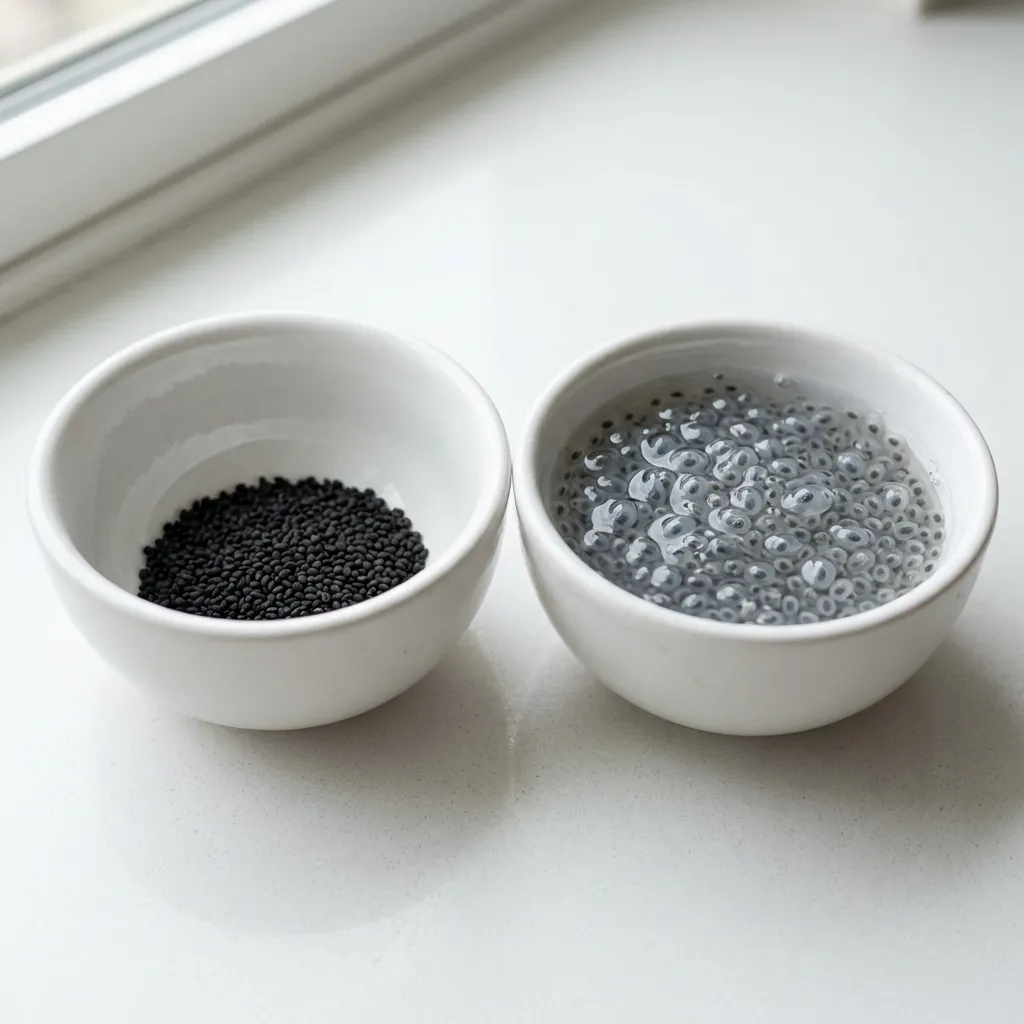
They look almost identical to chia seeds — tiny, black, oval-shaped. But drop them in water and something different happens. Within about 10 to 15 minutes, sabja seeds swell up to 20 times their original size, forming a thick, translucent gel coating around each seed. It’s one of those things you have to see to believe. If you’ve ever had bubble tea or falooda drinks at an Indian restaurant, that soft, chewy texture in the drink? That’s sabja seeds doing their thing.
They’re tasteless on their own, which is actually great for our purposes. You get all the functional benefit without fighting the flavor.
If you’ve tried the chia seed internal shower drink, sabja seeds work on a similar principle — but they swell faster and have a slightly different fiber profile that hits differently for bloating specifically.
How Sabja Seeds for Belly Fat Actually Work
I want to be straight with you here. Sabja seeds aren’t going to melt fat off your stomach while you sleep. No seed does that. But what they do well is address the actual reasons most people struggle with belly fat and weight loss — and they do it through four real, documented mechanisms.
They Fill You Up Without Filling You Out
The gel that forms around sabja seeds when soaked is made of a soluble fiber called pectin. When that gel hits your stomach, it physically expands and slows down how quickly your stomach empties. Research reviewed by Healthline confirms that this fiber-gel mechanism delays gastric emptying, which means you stay full longer after eating or drinking sabja seeds. Fewer hunger spikes, fewer snack raids at 3 PM, fewer reasons to eat more than you need.
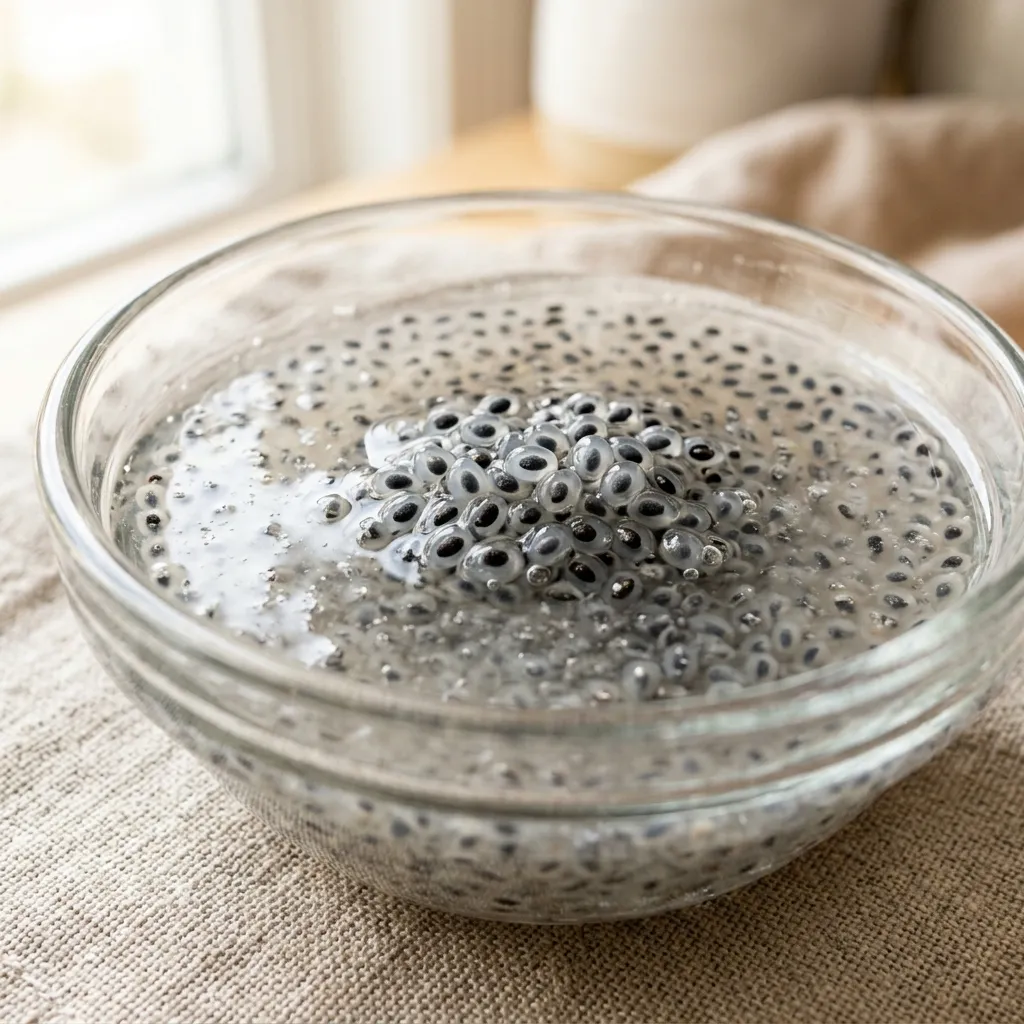
Two teaspoons of sabja seeds contain only about 40 calories but deliver a meaningful hit of fiber. That’s a pretty good trade for something you stir into lemonade.
They Slow Down Sugar Absorption
This one matters a lot for belly fat specifically. Visceral fat — the kind that accumulates around your midsection — is directly linked to blood sugar spikes and insulin response. When you eat something that causes a rapid spike in blood glucose, your body responds by pumping out insulin, and excess glucose gets stored as fat. Consistently high blood sugar over time is one of the main drivers of abdominal fat accumulation.
The pectin fiber in sabja seeds slows the absorption of sugar into the bloodstream. Studies cited by Healthline show that daily consumption of basil seeds may improve post-meal glucose control. Steadier blood sugar means less insulin, which means your body has less reason to pack fat around your waist.
They Feed the Right Gut Bacteria
Your gut microbiome plays a bigger role in your weight than most people realize. The soluble fiber in sabja seeds acts as a prebiotic — food for the beneficial bacteria in your digestive tract. A healthier gut microbiome improves how your body processes nutrients, reduces systemic inflammation, and can genuinely affect how efficiently your body burns fat.
Chronic low-grade inflammation is one of the sneaky drivers of belly fat that most people don’t think about. Anything that reduces that inflammation works in your favor.
They Give You Omega-3s That Support Metabolism
Sabja seeds are a solid source of alpha-linolenic acid (ALA), an omega-3 fatty acid. Healthline notes that ALA makes up around 71% of the fat in basil seeds. Research has linked regular linolenic acid intake to improved fat-burning metabolism and reduced fat storage. It’s not a dramatic effect, but combined with the satiety and blood sugar benefits, it’s a meaningful addition.

Sabja Seeds vs Chia Seeds for Belly Fat: What’s the Difference?
This question comes up constantly, and honestly it’s a fair one because the seeds look almost identical. But they’re not the same, and the difference matters depending on what you’re trying to accomplish.
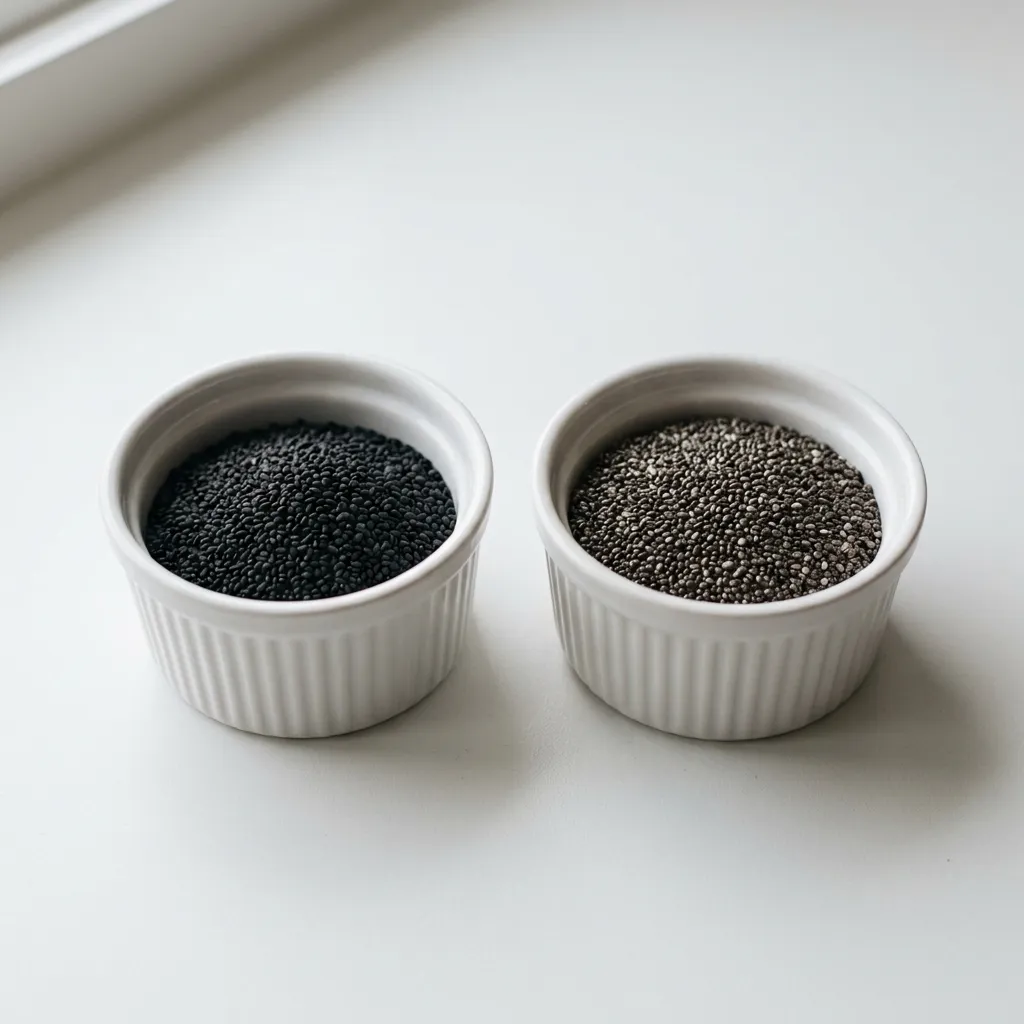
The short version: sabja seeds are better for immediate bloating relief and rapid satiety. Chia seeds are better for long-term sustained fullness and higher omega-3 content.
| Feature | Sabja Seeds (Sweet Basil Seeds) | Chia Seeds |
|---|---|---|
| Swelling Speed | 10-15 minutes (very fast) | 1-2 hours (slow) |
| Swelling Size | Up to 20x original size | Up to 10x original size |
| Primary Fiber Type | Pectin (soluble, gel-forming) | Mixed soluble and insoluble |
| Best For | Bloating relief, quick fullness | Long-term satiety, sustained energy |
| Omega-3 Content | Good (71% ALA of fat content) | Higher overall omega-3s |
| Calories (2 tsp) | ~40 calories | ~60 calories |
| Taste | Virtually tasteless | Mild, slightly nutty |
| Texture in Drinks | Soft, gel-coated, chewy | Pudding-like when fully soaked |
| Best Use | Morning drinks, lemonades, tonics | Puddings, overnight oats, smoothies |
If belly bloating is your main complaint and you want results you can feel within a day or two, start with sabja seeds. If you’re playing a longer game with appetite control throughout the day, chia is worth keeping around too. I actually use both now, just for different things.
How to Use Sabja Seeds for Belly Fat: Step-by-Step Drink Recipe
Here’s the Bloat-Buster Basil Lemonade I’ve been making every morning. It takes about 15 minutes start to finish — most of that is just waiting for the seeds to soak. The actual hands-on time is maybe two minutes.
You need four things: sabja seeds, lemon juice, water, and something to sweeten it if you want. That’s it.
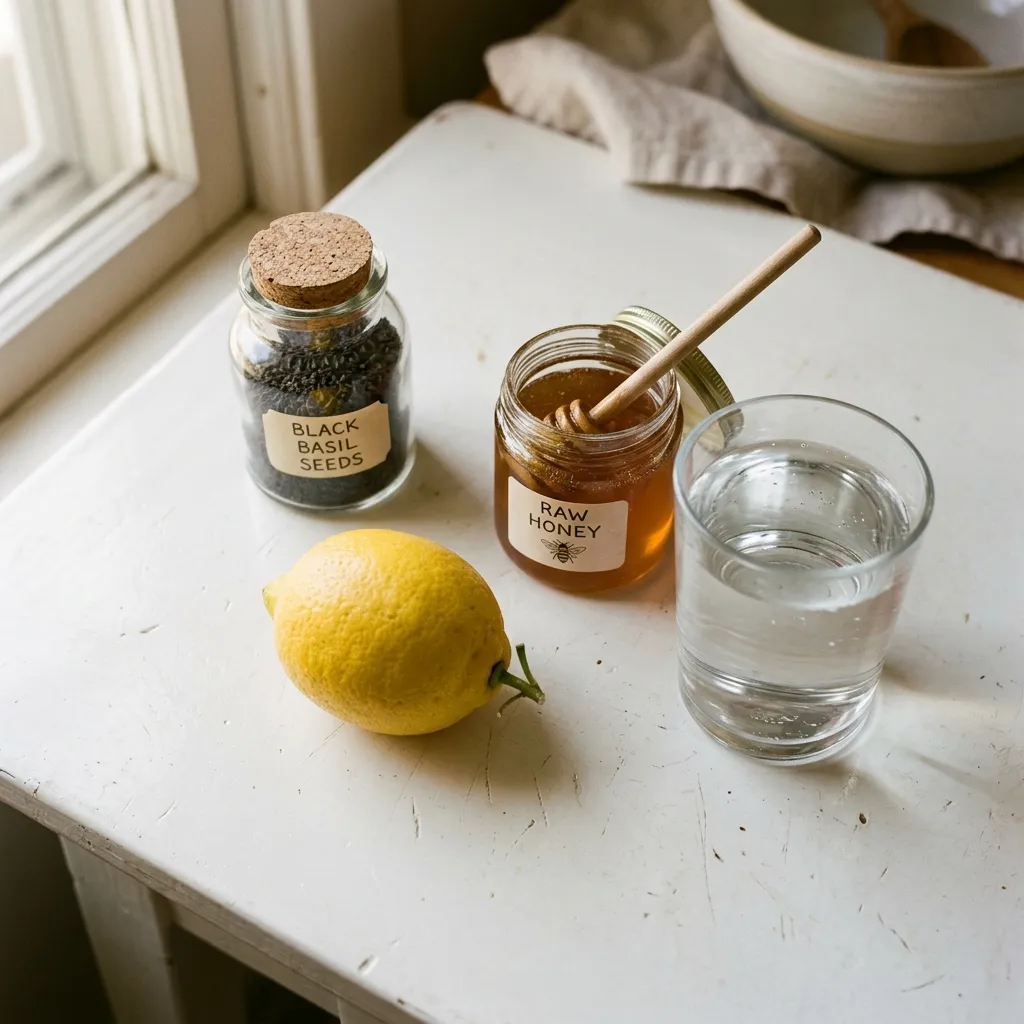
Step 1: Measure and Soak the Seeds
Add 1 tablespoon of sabja seeds to half a cup of cold or room-temperature water. Stir them once, then leave them alone for 10 to 15 minutes. You’ll watch them transform — a clear gel coating forms around each seed and they swell up dramatically. Don’t skip this step and don’t try to consume them dry. Dry sabja seeds absorb water quickly and can be a choking hazard, especially for kids. Always soak first.
Step 2: Juice Your Lemon
While the seeds are soaking, juice one whole lemon into a tall glass. Fresh is better here — the citric acid from fresh lemon juice has a mild digestive benefit that bottled lemon juice doesn’t really replicate. You want about 2 tablespoons of juice.
Step 3: Mix the Base Drink
Pour 1.5 to 2 cups of cold water into your glass with the lemon juice. Add a small amount of sweetener if you want — a teaspoon of raw honey works well here and adds its own mild gut-health benefits. Stir to combine. Honey and water for weight loss is something we’ve covered before, and in this context it’s a genuinely useful add-on, not just a flavor hack.
Step 4: Add the Soaked Seeds
Pour your fully soaked sabja seeds into the lemon water. Stir gently. The seeds will suspend in the liquid without sinking immediately because of the gel coating. Give it one more stir before each sip to keep things mixed.
Step 5: Drink It and Time It Right
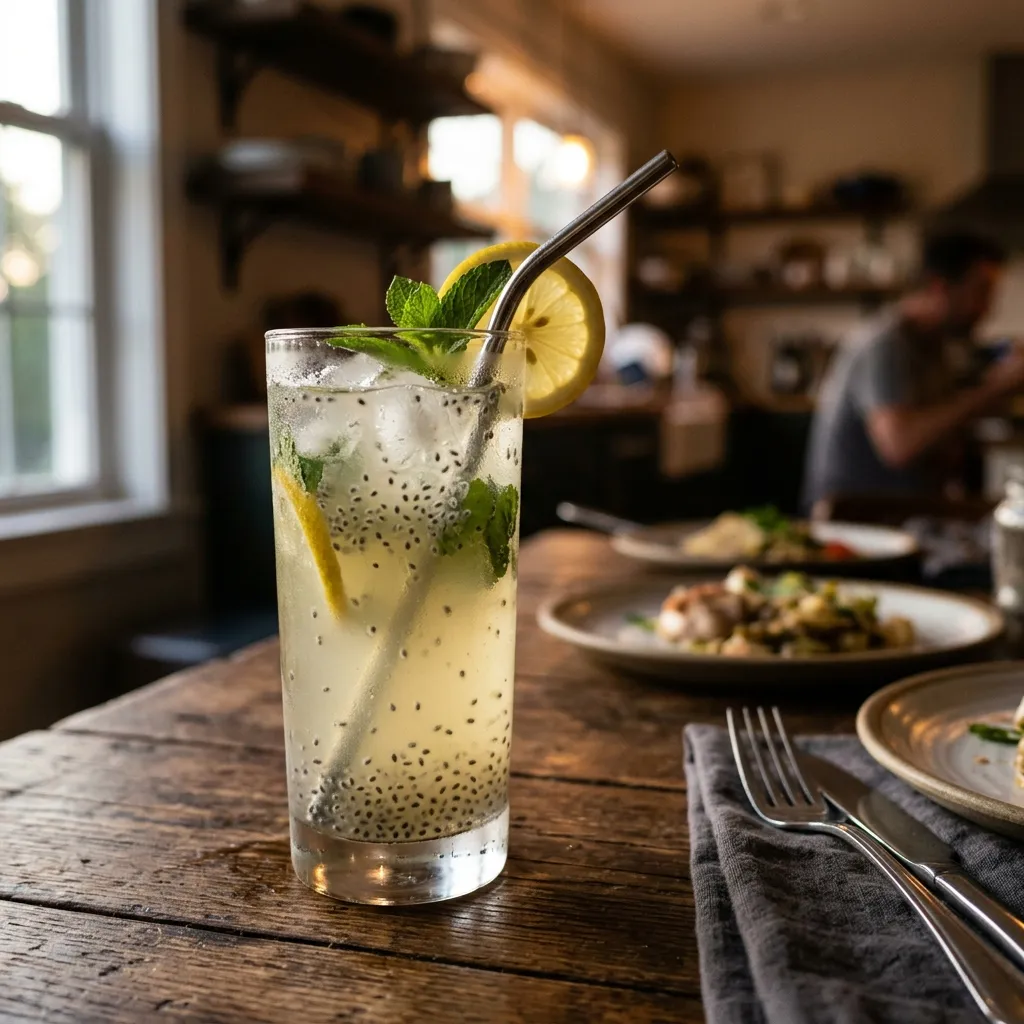
Drink the whole glass about 20 to 30 minutes before your largest meal of the day. This timing matters. You want the fiber gel in your stomach before you eat so it can do its fullness work before the food arrives. Most people notice they eat noticeably less at that meal without feeling deprived.
I drink mine before dinner because that’s when I tend to overeat. If your problem meal is lunch, shift accordingly. Some people do it in the morning on an empty stomach — that works too, especially for the blood sugar stabilization benefit throughout the day.

Bloat-Buster Basil Lemonade
Ingredients
Main Ingredients
- 1 tablespoon sabja seeds These seeds must be soaked before consumption.
- 0.5 cup water (for soaking) Use cold or room temperature.
- 1 whole lemon Juiced for flavor.
- 1.5-2 cups cold water (for drink)
- 1 teaspoon raw honey (optional) For sweetness and added gut-health benefits.
Instructions
Preparation
- Add 1 tablespoon of sabja seeds to half a cup of cold or room-temperature water. Stir once, then let sit for 10-15 minutes.
- Juice one whole lemon into a tall glass.
- Pour 1.5 to 2 cups of cold water into the glass with the lemon juice. Add honey if desired and stir to combine.
- Once the sabja seeds are fully soaked, pour them into the lemon water and stir gently.
- Drink it 20-30 minutes before your biggest meal of the day.
Notes
Nutrition
Why Sabja Seeds Work for Belly Fat When Other Things Have Failed
One thing that makes sabja seeds different from most weight loss hacks is that they work with how your body actually functions, not against it.
Most diet tricks try to restrict something — calories, carbs, eating windows, entire food groups. The problem is that restriction is exhausting. Your body fights back. Hunger hormones spike. Willpower runs out. You end up eating the entire kitchen at 10 PM.
Sabja seeds work through addition, not subtraction. You’re adding something to your routine that physically makes you less hungry, slows down sugar absorption, and keeps your gut in better shape. You’re not trying to white-knuckle through hunger — the seeds are doing the heavy lifting for you.
This is exactly why they fit the lazy meal prep philosophy around the gelatin trick for weight loss — it’s the same idea. Simple additions that create a physical effect in your body, not complicated diet rules that require a spreadsheet to follow.
Sabja Seeds for Belly Fat: Weekly Meal Prep Use
The drink is the easiest daily use, but sabja seeds are flexible enough to build into your weekly prep in a few other ways too.
You can soak a larger batch of seeds on Sunday and keep them in a sealed jar in the fridge for up to 3 days. Just add one tablespoon of dry seeds to one cup of water, let them soak for 15 minutes, then refrigerate. Scoop out what you need each morning.
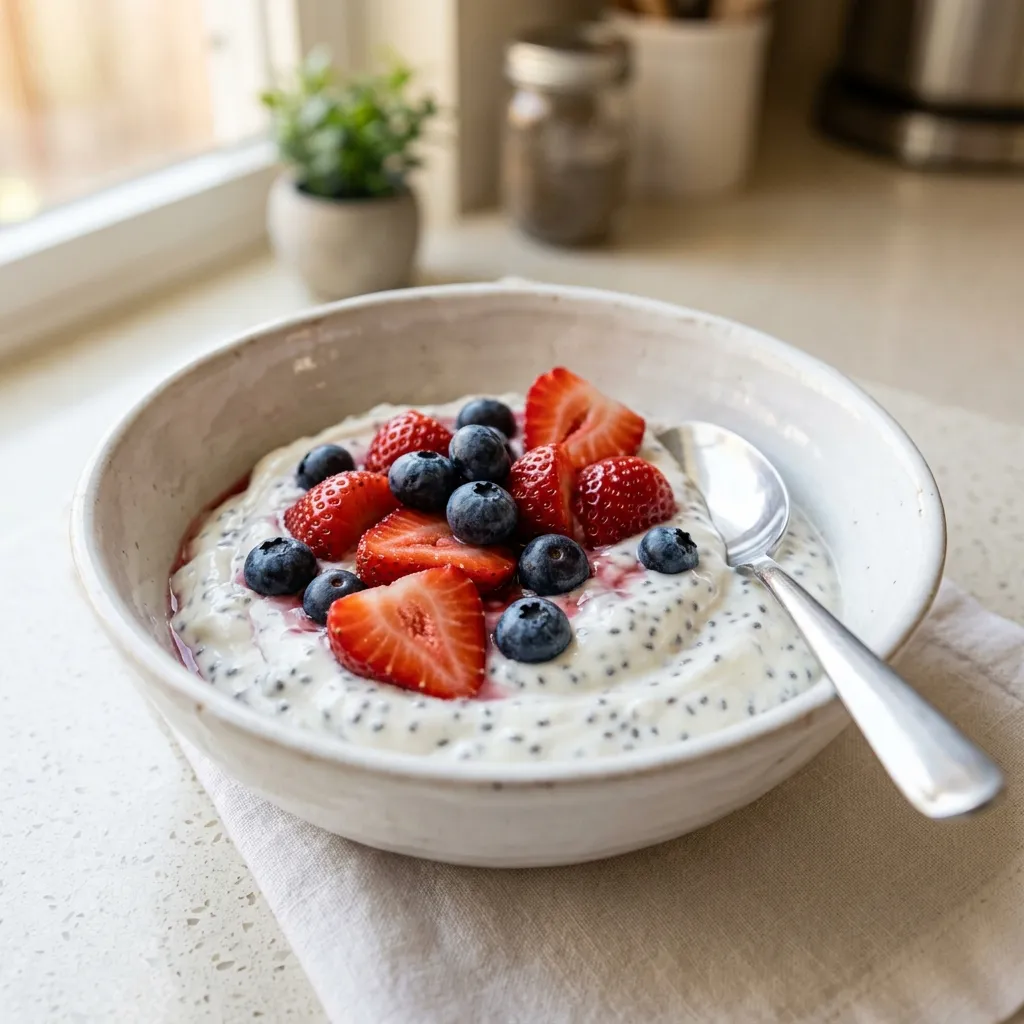
Beyond drinks, soaked sabja seeds work well stirred into Greek yogurt with berries — the gel texture blends into the yogurt and you barely notice it’s there, but you get the fiber hit. They also work in smoothies. Just blend your smoothie first, then stir in the soaked seeds at the end so the gel stays intact.
If you’re doing high-protein meal prep and trying to manage hunger between meals, adding sabja seeds to your afternoon yogurt bowl is one of the simplest hunger-control moves you can make. The high-protein meal prep for weight loss strategy and sabja seeds work well together — protein plus soluble fiber is a genuinely powerful combination for satiety.
5 Mistakes to Avoid With Sabja Seeds for Belly Fat
I made a couple of these myself in the first week. Learn from my errors.
Mistake 1: Eating them dry. Sabja seeds absorb water rapidly. If you swallow them without soaking, they’ll start absorbing liquid from your throat and digestive tract as they go down. Always soak them in water for at least 10 minutes first. This isn’t optional.
Mistake 2: Using too many too soon. Start with one teaspoon per day and work up to one tablespoon. Adding too much fiber too fast causes bloating and digestive discomfort — the opposite of what you want. Your gut needs time to adjust.
Mistake 3: Not drinking enough water. Fiber works by absorbing water and forming bulk in your digestive tract. If you’re not drinking enough water alongside it, the fiber gets sluggish and can cause constipation instead of helping. Drink at least 8 glasses of water daily when you’re using sabja seeds regularly.
Mistake 4: Expecting overnight results. The bloating relief tends to happen pretty quickly — within a few days for most people. The belly fat reduction takes longer. Consistent use over several weeks is where the real results show up. This isn’t a one-drink fix.
Mistake 5: Only using them in water. Plain sabja seed water gets boring fast. When the routine feels boring, you stop doing it. Keep things interesting by rotating between the lemonade version, the yogurt mix-in, and smoothie additions so it stays something you actually look forward to.
FAQs About Sabja Seeds for Belly Fat
How long does it take for sabja seeds to reduce belly fat?
Most people notice reduced bloating and better fullness within 3 to 5 days of daily use. Visible belly fat reduction from consistent sabja seed use typically takes 4 to 8 weeks when combined with a reasonable diet. The seeds work best as a daily habit, not a one-time fix. Consistency is what drives the result.
When is the best time to drink sabja seeds for weight loss?
The most effective time is 20 to 30 minutes before your largest meal of the day. This allows the fiber gel to reach your stomach before food arrives, reducing how much you eat at that meal. Some people prefer first thing in the morning on an empty stomach for the blood sugar benefit throughout the day. Both approaches work.
Are sabja seeds the same as chia seeds?
No, they’re different seeds from different plants. Sabja seeds come from sweet basil and swell up to 20 times their size within 15 minutes. Chia seeds come from a different plant and swell more slowly over 1 to 2 hours. Sabja seeds are better for immediate bloating relief. Chia seeds provide longer sustained fullness and have higher omega-3 content overall.
How many sabja seeds should I eat per day for belly fat?
Start with one teaspoon per day for the first week, then increase to one tablespoon daily. One tablespoon provides around 40 calories and a meaningful dose of soluble fiber. Going beyond two tablespoons per day doesn’t add much benefit and can cause digestive discomfort if your gut isn’t adjusted to high fiber intake.
Can I eat sabja seeds on an empty stomach?
Yes, sabja seeds are well-tolerated on an empty stomach and can actually work well that way. Consuming them first thing in the morning helps stabilize blood sugar before your first meal and may reduce overall calorie intake throughout the day. Just make sure they’re fully soaked and drink a full glass of water alongside them.
Are there any side effects of sabja seeds?
Sabja seeds are generally safe for most healthy adults. The most common issues from overuse are bloating, gas, and digestive discomfort u002du002d which happen when you add too much fiber too fast. Start slow and drink plenty of water. People on blood thinners should check with their doctor first, as the omega-3 content may have mild blood-thinning effects.
Where can I buy sabja seeds in the US?
Sabja seeds are sold at most Indian and Asian grocery stores, often labeled as sweet basil seeds, tukmaria, or falooda seeds. They’re also easy to find online u002du002d Amazon carries several brands. Look for food-grade seeds specifically marketed for consumption, not garden planting seeds. A bag typically costs between $5 and $12 and lasts several weeks.
Give It Two Weeks in Your Kitchen
Here’s my honest take after almost a month of using sabja seeds: the belly bloating was the first thing I noticed. Within a week. That tight, uncomfortable feeling after dinner was noticeably less intense. The hunger management came next — I was eating less at dinner without trying to, and the late-night snacking dropped off pretty naturally.

Is it a miracle? No. But for something that costs less than $10, takes 15 minutes to prep, and tastes like lemonade? The return is pretty solid.
If you’ve been chasing the same belly fat results with complicated diets and nothing has stuck, this is worth a two-week trial. One tablespoon of seeds, soaked, mixed into lemon water, 20 minutes before dinner. That’s the whole ask.
You’ve got two minutes and a lemon. Try it tonight.
If you want to take it a step further, pair the sabja drink with something from our homemade appetite suppressant drink recipes collection or check out how the natural mounjaro drink stacks up as a companion to your morning routine.