
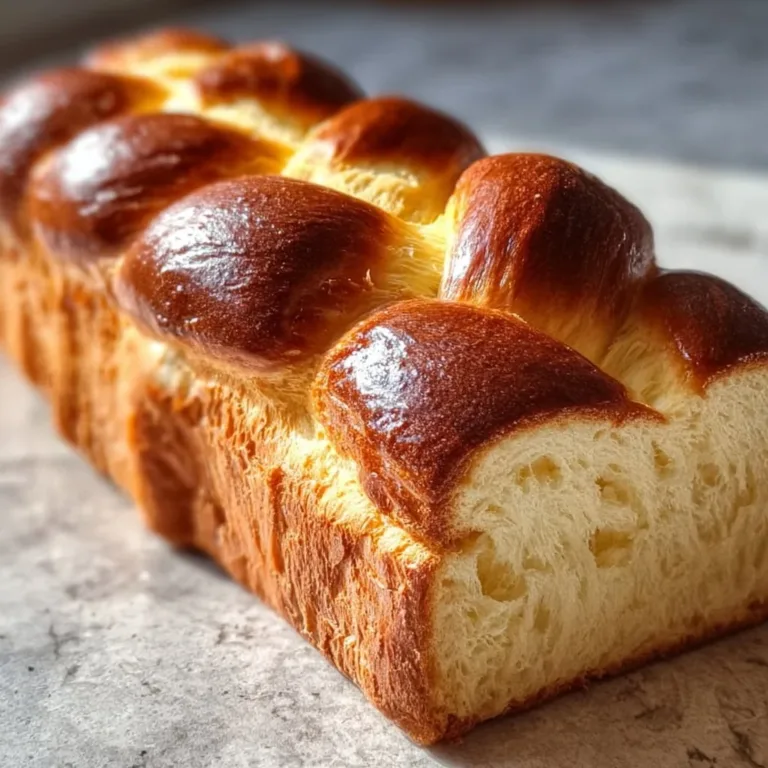
The warm smell of butter, vanilla, and lemon zest drifting through the house feels like a small celebration. I picture a sunlit kitchen table, a loaf cooling on a wooden board, and the hush that comes when slices are passed around with coffee. That gentle hush is why I bake Easter Bread its scent alone invites conversation and slow, grateful bites.
For a cozy companion to serve alongside, I sometimes reach for a simple banana loaf from my collection of easy bakes, like this lovely banana bread that always comforts friends on a quiet morning.
The Heart of Easter Bread
Easter Bread holds a quiet kind of joy. It is the loaf you bring to a small family gathering and watch as faces soften with the first buttery bite. It is both humble and celebratory, with a tender crumb that speaks of patience and a golden crust that promises crisp edges and a soft, melt-in-your-mouth interior.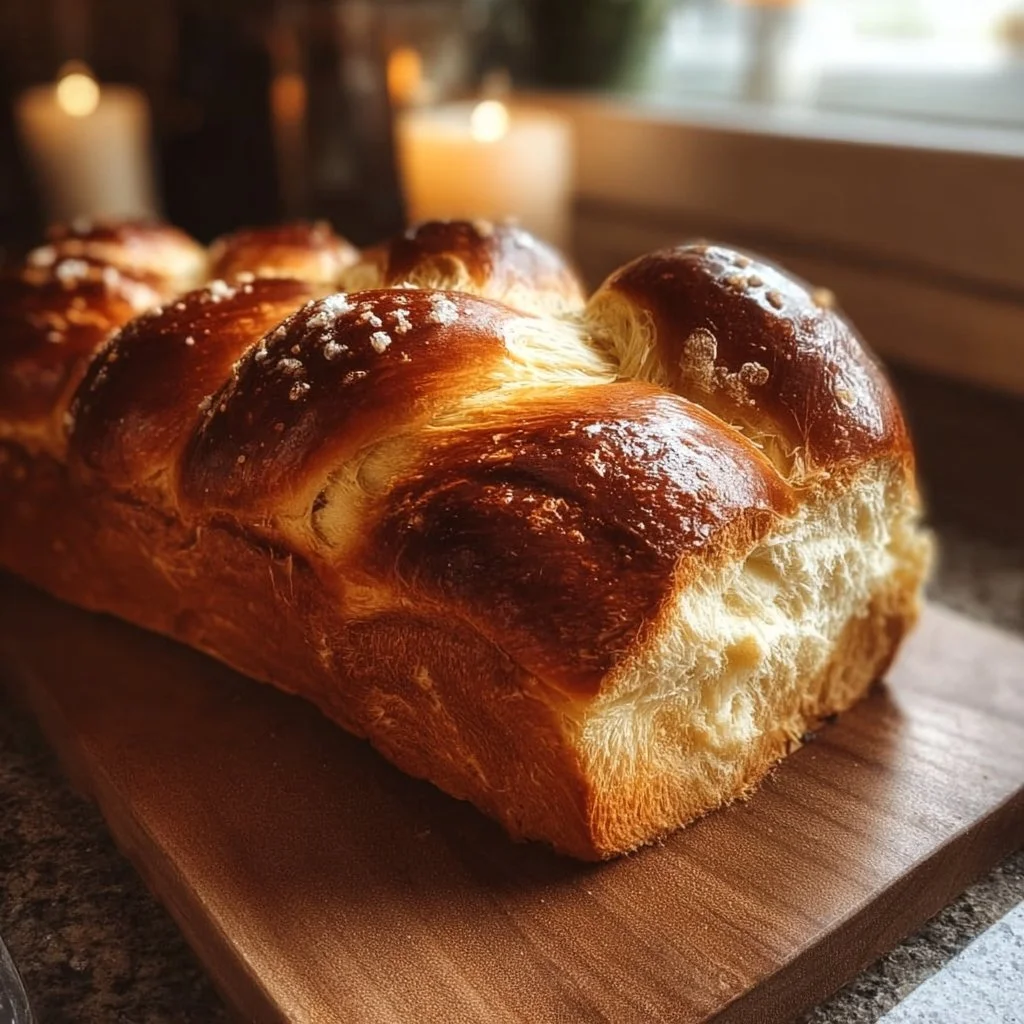
This bread feels right for birthdays that fall near spring, for coffee chats on the porch, or for a soothing end to a busy day. Making it connects you to a long tradition of breads baked for special days, yet it is simple enough to become a gentle, repeated ritual. The lemon zest brightens the dough, while the vanilla and softened butter wrap the crumb in a familiar, cozy warmth.
When you pull a fresh loaf from the oven, the first slice is always an invitation. Cut it warm, and you will notice a soft steam, the faint shimmer of a glossy crust, and a texture that is buttery-soft enough to spread with a pat of butter or jam. Trust the dough as it rises; patience rewards you with that perfect, airy crumb.
The Baking Process Explained
“When the kitchen smells like vanilla and butter, you know something special’s baking.”
Before we list the ingredients, here is a short overview. You will make a soft, enriched dough that needs two rises to develop flavor and structure. Watch for a glossy, elastic texture as you knead, and for a rise that doubles in size. The finished loaf should be golden on top, with a fragrant lemon lift and a tender, melt-in-your-mouth center.
If you prefer a no-fuss quick bread sometimes, you might enjoy comparing textures and methods with this easy banana bread without baking soda recipe, which highlights how different techniques yield different crumbs.
Ingredients You’ll Need
4 cups all-purpose flour
1/2 cup sugar
2 teaspoons active dry yeast
1/2 cup milk
1/2 cup unsalted butter, softened
3 large eggs
1 teaspoon salt
1 teaspoon vanilla extract
Zest of 1 lemon
Egg wash (1 egg beaten)
Use real butter if you can; it makes every bite worth it. If you like a slightly richer loaf, swap one of the eggs for an extra yolk, but the basic recipe is balanced to give you tender, golden edges and a lovely crumb. For more ideas on enriching doughs and adding nuts or fruit, peek at this banana nut bread recipe for inspiration on mix-ins and texture notes.
Step-by-Step Directions
- In a small bowl, warm the milk and dissolve the yeast in it. Let it sit for about 5 minutes until frothy.
You should see small bubbles and a gentle foam that signals the yeast is alive. - In a large mixing bowl, combine flour, sugar, and salt. Make a well in the center and add the dissolved yeast, eggs, melted butter, vanilla, and lemon zest.
The wet ingredients will look glossy and fragrant when they meet the flour. - Mix until a dough forms. Knead the dough on a floured surface for about 10 minutes until smooth and elastic.
The dough should feel soft, slightly tacky, and spring back when pressed. - Place the dough in a greased bowl, cover, and let it rise in a warm place until doubled in size, about 1 hour.
A warm, draft-free spot helps the rise; a little extra warmth shortens the wait. - Punch down the dough and shape into a loaf. Place in a greased loaf pan.
Be gentle but confident when shaping so the crumb retains its airy structure. - Cover and let rise again until doubled, about 30 minutes.
This second rise sets the loaf shape and gives the bread its tender lift. - Preheat the oven to 350°F (175°C). Brush the top with the egg wash.
The egg wash creates a glossy, golden finish that signals the bread is done. - Bake for 30-35 minutes until golden brown.
Check the center with a skewer; it should come out clean and the loaf should sound hollow when tapped. - Let cool before slicing and enjoy your Easter bread with family!
Cooling makes slicing neater and lets the crumb finish setting for that melt-in-your-mouth texture.
Timing tip: oven temperatures vary. If your top browns quickly, tent with a piece of foil for the last 10 minutes of baking. Texture tip: the interior should be tender but not gummy. If it feels slightly underbaked, give it five to ten more minutes and check again.
Sweet Ways to Enjoy Easter Bread
Serve slices with a generous pat of butter and a steaming cup of coffee for a morning that feels like a quiet celebration. Add a smear of lemon curd or a dollop of mascarpone for a more indulgent treat. For evenings, toast a slice and pair it with a scoop of vanilla ice cream; the contrast of warm bread and cool ice cream is simple bliss.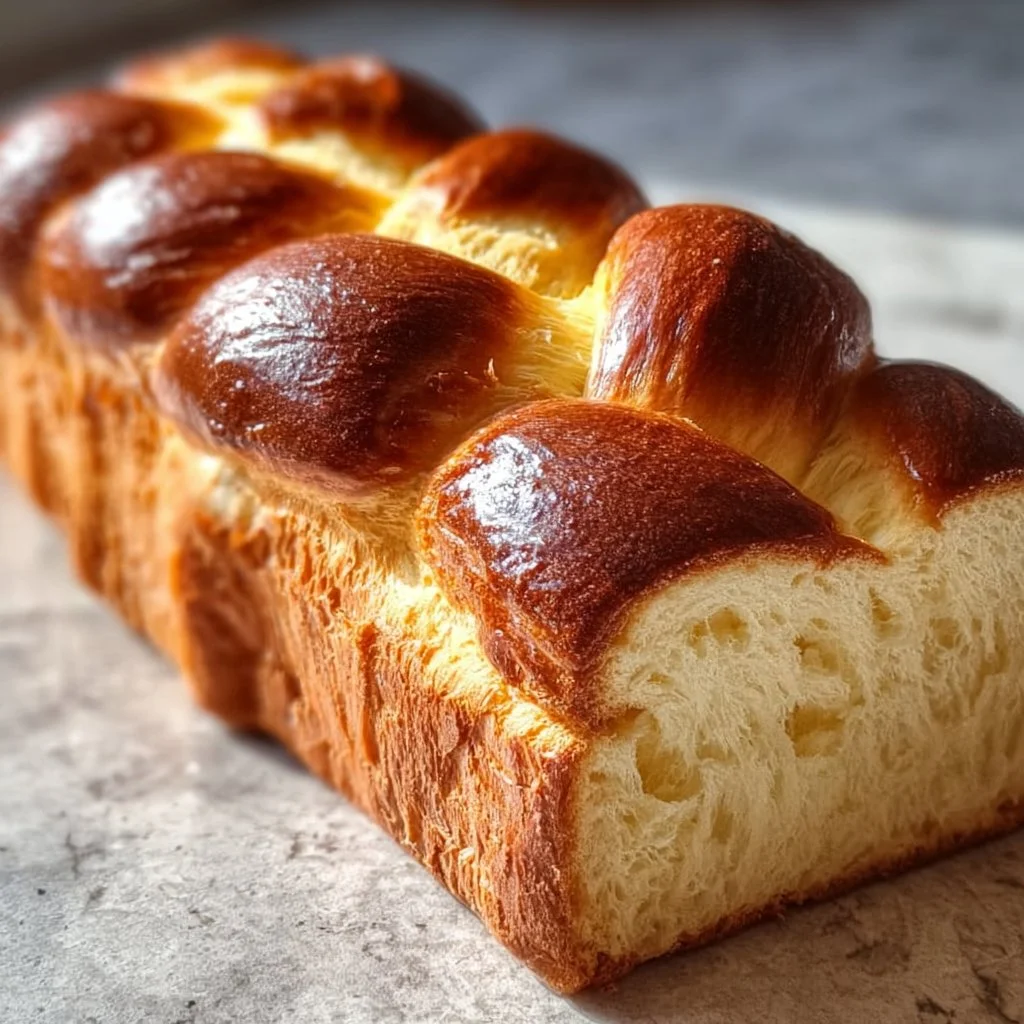
Presentation touches matter. Lay slices on a wooden board and sprinkle with a few thin lemon curls for brightness. For a shared dessert, cut thick slices and arrange them in a circle, then let guests help themselves to jam, clotted cream, or a light dusting of confectioners sugar.
If you want to serve something playful for kids or themed gatherings, try small slices alongside a festive bunny cake or Easter cupcakes. A little seasonal plate and a linen napkin can make everyday moments feel special. For a fun party pairing that kids love, try serving alongside a themed cut-up cake idea, inspired by simple beginner ideas such as this beginner Easter bunny cut-up cake.
How to Store and Enjoy Later
To keep Easter Bread soft for the first two days, wrap it in a clean kitchen towel and store it in a bread box or a paper bag on the counter. This maintains a tender crust without making it soggy.
For longer storage, wrap the cooled loaf tightly in plastic wrap, then place it in a freezer bag for up to three months. Thaw overnight on the counter and refresh in a 325°F oven for 10 minutes to regain that fresh-baked warmth.
If you prefer a slightly crisp crust, slice and toast the bread before serving. In the refrigerator, store tightly wrapped for up to five days, but note the refrigerator can dry enriched breads faster. Gently reheat slices in a low oven or toaster to restore softness and that buttery aroma.
Susan’s Baking Notes
- Yeast and temperature: Proof yeast in milk that is warm, not hot. Aim for about 100°F to 110°F. If the milk is too hot, it will kill the yeast and the dough will not rise.
- Kneading feel: When the dough is well-kneaded, it should pull into a smooth ball and show a slight sheen. If it tears easily, knead a little longer.
- Butter matters: Real unsalted butter provides depth and a cleaner, creamier flavor than margarine. If using salted butter, reduce additional salt slightly.
- Fresh lemon zest: The bright oils in fresh lemon zest make a big difference. Avoid bottled lemon flavor; it can taste artificial.
- Cooling patience: Let the bread cool for at least 20 minutes before slicing to set the crumb. Rushing this step makes slices tear.
Flavor Twists & Variations
Citrus and spice: Add orange zest in place of lemon for a sweeter citrus note. A pinch of ground cardamom or cinnamon can give the loaf a warm, aromatic twist.
Fruit and nuts: Fold in a half cup of dried cranberries or chopped candied orange peel at the shaping stage for bursts of tartness. Toasted sliced almonds on top before baking add a delicate crunch and beautiful presentation.
Glaze options: For a glossy finish, whisk 1/2 cup confectioners sugar with 1 tablespoon lemon juice and drizzle over the cooled loaf. For a richer glaze, use a cream cheese frosting for slices served as dessert.
Braided loaf: If you want a showstopping centerpiece, divide the dough into ropes and braid before the final rise. It takes a little practice, but the braided shape brings a festive look to the table.
Savory twist: Reduce sugar to 2 tablespoons, add 1 teaspoon dried rosemary, and omit lemon zest for a savory-sweet loaf that pairs beautifully with cheeses at brunch.
FAQs About Easter Bread
Can I make this ahead?
Yes. You can bake it the day before and let it rest overnight wrapped in a towel for a soft crust. Many breads taste even better after the flavors rest and meld.
Can I use instant yeast instead of active dry yeast?
Yes. If using instant yeast, mix it with the dry ingredients and reduce proofing time slightly, as it activates faster. Keep an eye on rises to avoid overproofing.
My dough did not double in size. What went wrong?
Check the temperature of your room and the milk used to proof the yeast. Yeast prefers a warm environment. If your kitchen is cool, consider placing the dough in a slightly warmed oven (turned off) or near a warm appliance.
Can I add chocolate chips or other mix-ins?
Absolutely. Fold in up to 1 cup of chocolate chips, dried fruit, or nuts at the shaping stage. Too many mix-ins can weigh down the dough, so keep additions modest.
How can I tell when the bread is perfectly baked?
The top will be a deep golden color, and the loaf will sound hollow when gently tapped. A skewer inserted into the center should come out mostly clean. Internal temperature around 190°F indicates doneness.
A Final Sweet Note
I hope this Easter Bread brings your kitchen the same buttery joy it brings mine. There is something comforting in the ritual of kneading, waiting, and sharing the first warm slice with someone you love. Whether this loaf joins a sunrise breakfast, a birthday table, or a quiet evening with tea, I trust it will make the moment feel a little more special.
For a braided, festive approach that highlights traditional shaping and colorful finishes, you might enjoy the detailed version at Italian Easter Bread – Sprinkle Bakes, which offers lovely photos and techniques. If you want another time-honored home-cook perspective on a similar bread, try this Traditional Italian Easter Bread Recipe for step-by-step guidance and family stories.
May your kitchen fill with warmth, and may every slice be a small, delicious celebration.
Easter Bread
Ingredients
Main Ingredients
- 4 cups all-purpose flour
- 1/2 cup sugar
- 2 teaspoons active dry yeast Dissolved in warm milk.
- 1/2 cup milk Warmed to about 100°F-110°F.
- 1/2 cup unsalted butter, softened Real butter is recommended.
- 3 large eggs Swap one egg for an extra yolk for richness.
- 1 teaspoon salt
- 1 teaspoon vanilla extract
- 1 zest lemon Adds brightness.
- 1 egg beaten (for wash) Used for a glossy finish.
Instructions
Preparation
- Warm the milk and dissolve the yeast in it. Let it sit for about 5 minutes until frothy.
- In a large mixing bowl, combine flour, sugar, and salt. Make a well in the center and add the dissolved yeast, eggs, melted butter, vanilla, and lemon zest.
- Mix until a dough forms. Knead the dough on a floured surface for about 10 minutes until smooth and elastic.
- Place the dough in a greased bowl, cover, and let it rise in a warm place until doubled in size, about 1 hour.
- Punch down the dough and shape it into a loaf. Place it in a greased loaf pan.
- Cover and let rise again until doubled, about 30 minutes.
Baking
- Preheat the oven to 350°F (175°C). Brush the top of the dough with the egg wash.
- Bake for 30-35 minutes until golden brown. The bread is done when it sounds hollow when tapped.
Cooling
- Let cool before slicing and enjoy your Easter bread with family.