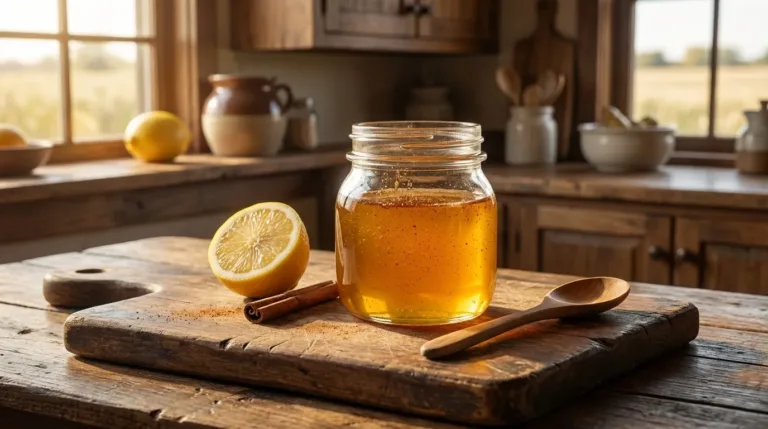
best honey for honey trick might sound weirdly specific, but if you have ever bought a cute jar only to discover it tastes flat or suspiciously like corn syrup, you know the struggle. I used to grab whatever looked pretty on the shelf. Then I learned how much processing can zap flavor and the good stuff that makes honey special. If you want raw, unfiltered, additive free honey that actually delivers, you need a quick plan.
I will walk you through exactly what to look for, so your honey tastes like sunshine and wildflowers, not sugar water. For more background on how people use honey and what to watch out for, check out this simple guide to the Canaan honey trick benefits and risks.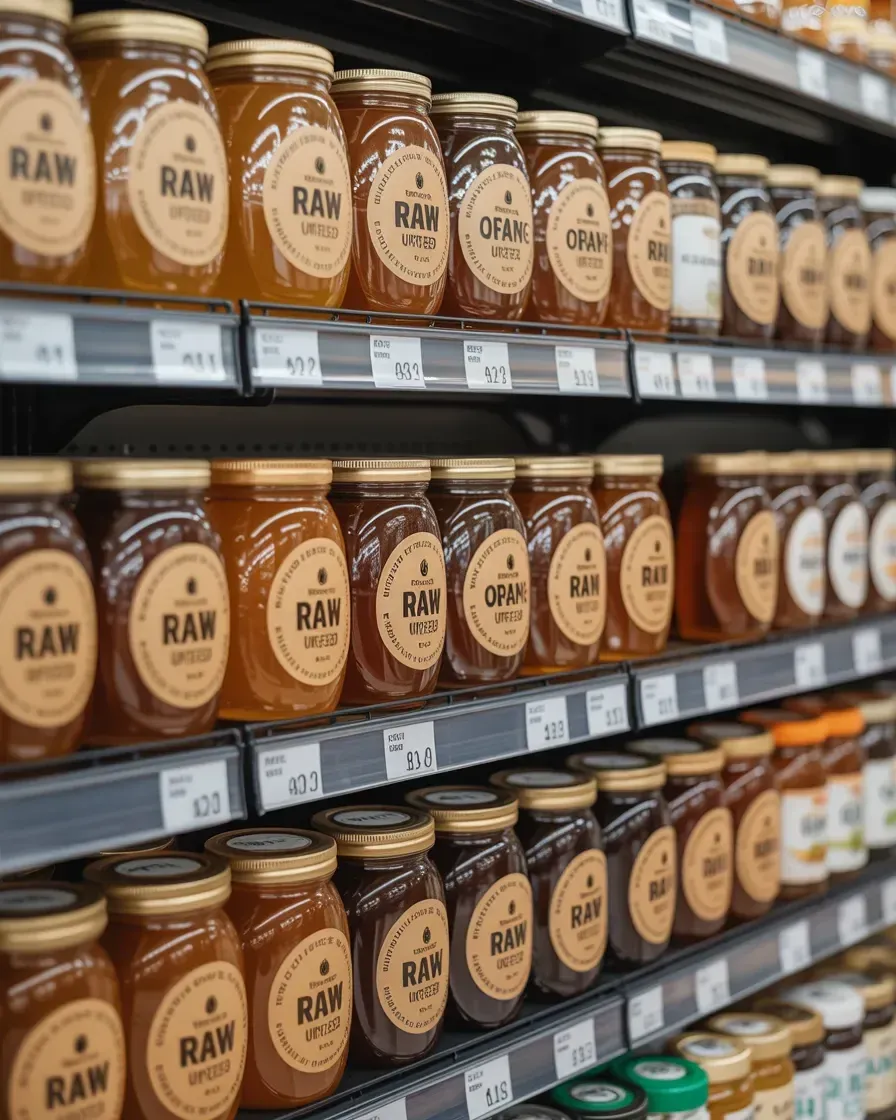
What is “Raw” Honey?
Let’s start with what raw really means. Raw honey is honey that has not been heated above hive temperatures and has not been fine filtered. That means it keeps more of the natural enzymes, pollen, and delicate aromas that make honey taste alive. You might see crystals or a cloudy look. That is not a flaw. It is a good sign that it was handled gently.
What about unfiltered? Most truly raw honey is also lightly strained, not filtered. Straining removes big wax bits while leaving the tiny pollen particles that carry terroir, like a fingerprint of the flowers the bees visited. If a jar says ultra filtered, it was pushed through tight filters that strip out almost everything. It can look gorgeous and clear, but that clarity comes at a cost.
Heating is the other big factor. High heat makes honey smooth and shelf stable, but it also dulls flavor and can degrade some natural compounds. If you want a jar that tastes like a field in spring, look for raw or unpasteurized on the label. The texture might change over time, and that is normal. Just warm it gently in a bowl of warm water if you prefer it runny.
Quick safety note. Raw honey is not for babies under one year old. For everyone else, it is a pantry gem.
If you want a simple way to use a small spoonful daily, try my favorite little habit and this easy honey trick recipe. It pairs perfectly with a jar that checks all the boxes we are about to cover. This is the heart of How to Choose Quality Honey, and once you get the hang of it, shopping gets effortless.
How to Read Honey Labels
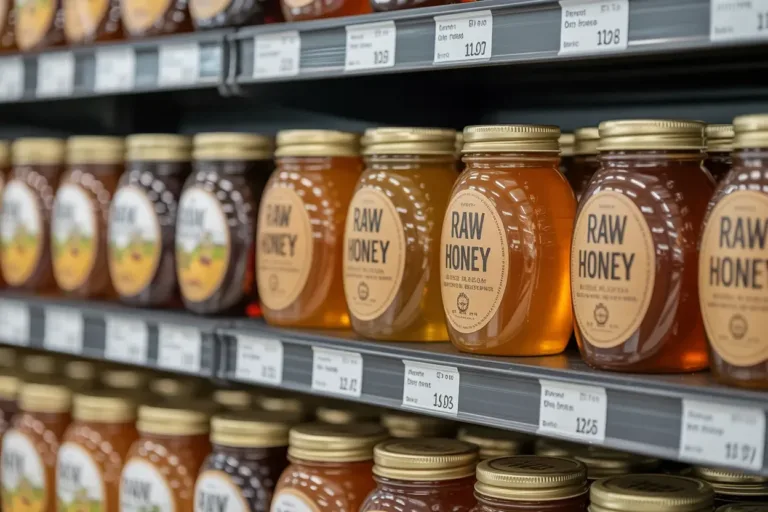
Honey labels are like tiny puzzles. Once you know the clues, you will pick a winner fast. This is where How to Choose Quality Honey really kicks in.
- Raw or unpasteurized: Tells you it has not been heated hard. Expect more flavor and natural crystals over time.
- Unfiltered or lightly strained: Means the pollen and micro bits are still there. That is a sign of less processing.
- Pure honey: Sounds good, but it can still be heavily processed. It simply means no added sugar by legal definition. Always read more than that one phrase.
- Honey blend: Often a mix of different countries or even syrups. If you see blend, be cautious.
- Country of origin: A clear source is a good sign. Single origin or monofloral labels like clover, orange blossom, or wildflower can guide flavor.
- MGO or UMF for Manuka: These are legit grading systems that rate potency and purity for Manuka honey. Look for UMF numbers and brand transparency.
- Organic: Helpful, but bees fly far. Organic is best when paired with raw and unfiltered.
- Crystallization: Natural and normal. Creamed honey is just intentionally crystallized for a spreadable texture.
- Best by date: Honey does not really expire when stored well. It is more about peak quality.
- Packaging: Glass jars tend to protect flavor better than thin plastic, especially over time.
Storage matters too. Keep your honey sealed and away from heat and sunlight. If you do big batch cooking or meal prep, you might like these smart storage hacks that help keep pantry items fresher. A little organization goes a long way with honey, especially if you keep more than one type on hand for cooking and tea.
Quick sniff and spoon test at home
Open the jar and take a deep sniff. Real, minimally processed honey smells like flowers, herbs, or fruit depending on the bloom. It should not smell like plain sugar. Next, taste a half teaspoon. Quality honey has layers. Sweetness first, then a little tang, a whisper of floral, maybe a woody edge. If it tastes one note and sugary, it might be over processed.
Once you learn these cues, you will feel confident saying How to Choose Quality Honey without second guessing yourself in the aisle.
Brands to Consider
I love supporting local beekeepers first. Ask questions at the market. Do you heat your honey? Do you fine filter? Where are your hives? If they light up with answers, that is a good sign.
For grocery store finds, look for brands that emphasize raw, unfiltered, single source, or certified grading for Manuka. Some widely available options to explore include Nature Nate’s for raw wildflower, Beekeeper’s Naturals for varietals and transparency, and Comvita or Wedderspoon for UMF or MGO graded Manuka. Always read the label, even with familiar names, because formulas and sourcing can change.
Monofloral jars are fun because they add specific flavors to your food. Orange blossom is bright and citrusy on yogurt. Buckwheat is bold and malty, amazing in marinades. Wildflower changes with the seasons, which keeps breakfast interesting.
If you like a salad that sings, drizzle raw honey into a lemon olive oil dressing and toss it with crisp apples and salty feta. This apple and feta salad shows how a spoonful of good honey can balance tart fruit and savory cheese. It is a good way to test a new jar.
There is no official list that rules them all, but when you can say How to Choose Quality Honey and back it up with the label checks above, you will zero in on brands that match your values.
Why It Matters for Effectiveness
So why fuss over raw, unfiltered, additive free honey? Because the payoff is in the flavor and how it behaves in your kitchen. Good honey blooms in hot tea, melts into buttered toast with a floral hum, and gives sauces a glossy finish without tasting heavy. If you care about a gentle daily spoonful for your routine, quality also matters for consistency and taste. That is the practical side of How to Choose Quality Honey.
In cooking, better honey means better results. A raw orange blossom will add brightness to yogurt bowls, while earthy buckwheat makes glazes taste rich and smoky. When a recipe calls for honey, use the style that fits the dish. Light for drizzle. Dark for depth. If you are curious about a simple savory recipe that shows off honey’s power, try this quick 15 minute honey garlic shrimp. It is fast and surprisingly balanced.
And if you are exploring daily routines, you have probably seen the honey trick idea floating around. Quality honey is the key. The difference between an overly processed squeeze bottle and a raw jar is night and day for flavor. Always choose minimally processed jars for anything you want to taste and feel great about. If you want variations and a simple approach, here is an easy guide to the honey trick to bookmark.
“I switched from a generic blended honey to a local raw wildflower. The taste was so vivid that I stopped adding sweeteners to my tea. It was honestly the easiest pantry upgrade I have ever made.”
Pro tip for everyday use. Keep one light raw honey on the counter and one darker honey in the pantry. The light one is for tea, cornbread, and fruit. The darker one is for marinades, roasted veggies, and BBQ sauce. That tiny system helps lock in the habit of choosing the right jar at the right moment.
Common Questions
How do I know if my honey is real?
Start with the label. Look for raw or unpasteurized, unfiltered or lightly strained, and a clear origin. Taste for layers, not just sugar. Buy from sellers who answer questions.
Is crystallized honey bad?
Not at all. Crystallization is natural. Warm the jar in a bowl of warm water and stir, or enjoy it as is. Creamed honey is just controlled crystallization with a dreamy spreadable texture.
Does organic matter for honey?
It can, but bees fly far. Organic is most helpful when paired with raw and unfiltered. Use it as one factor in your decision, not the only one.
What about Manuka honey grades like UMF or MGO?
Those grades relate to markers of potency and purity specific to Manuka. Buy from brands that publish test results and clearly display UMF or MGO numbers.
How should I store honey?
Keep it sealed, at room temp, away from light and heat. If you love meal prep gadgets, these Instant Pot ideas can sit next to your honey jar since you will probably reach for both often.
Bring home the good stuff
You now know How to Choose Quality Honey without overthinking it. Look for raw, unfiltered, clearly sourced, and let flavor guide you. Use a lighter honey for drizzles and a deeper one for cooking, and keep a jar you love within arm’s reach. If you are curious about honey’s broader potential, research like this overview on honey and brain health is an interesting read, and if you are into beauty crossovers, you might even bump into propolis in products like this Hey Honey CC cream. Grab a jar that passes your new label checks and try it tonight on toast or in a quick vinaigrette. You will taste the difference right away.