honey safety for diabetics is one of those topics I get asked about all the time. I love cooking with honey, but I also care about using it safely and knowing when to skip it. If you have ever wondered when honey is a good idea and when it is not, I have you covered. I am sharing real kitchen stories, practical tips, and clear warnings so you can feel confident. If you are curious about different types of honey and what people claim they do, you might find this helpful read on Canaan honey benefits and risks. Let’s talk through real life situations where honey is not the hero and what to use instead.
Who Should Avoid Honey
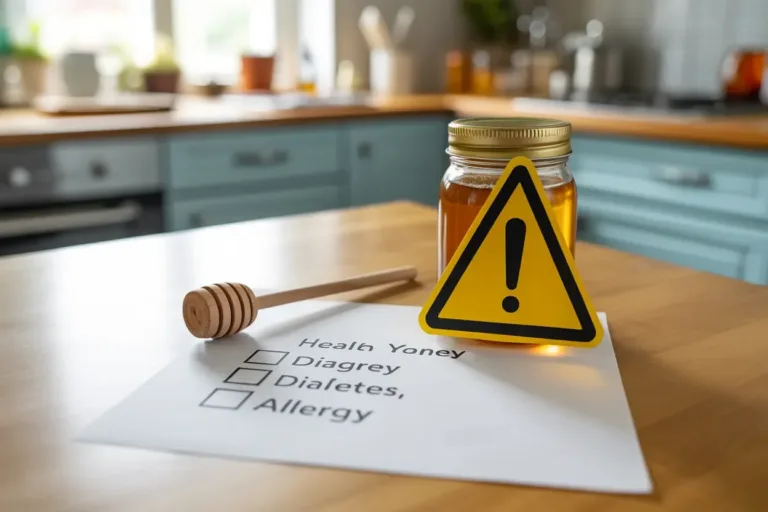
As much as I adore a glossy honey glaze on roasted veggies, there are times to say no. Knowing When to Avoid Using Honey: Health Conditions, Allergies & Medical Warnings can save you a headache, a blood sugar spike, or a scary reaction. Here is how I break it down for friends and family.
Medical conditions to note
Start with a quick gut check. Honey is still sugar, and certain bodies are more sensitive to it. If you are managing a condition or taking specific meds, pause before you drizzle.
- Babies under 12 months: absolutely no honey. Not even baked into muffins. Risk of infant botulism is real and serious.
- People with severe pollen or bee-product allergies: honey can trigger reactions due to trace pollen and plant proteins.
- Diabetes or prediabetes: honey still raises blood sugar. Even “raw” or “natural” honey affects glucose. Talk to your doctor about limits.
- Fructose malabsorption or IBS triggers: honey is high in fructose and can cause bloating and GI distress.
- Immunocompromised individuals: consider avoiding raw, unpasteurized honey. Safety first.
- Open wounds unless using medical-grade honey: kitchen honey is not sterile. Reserve wound care for medical-grade products only.
It is also smart to avoid honey if you are on strict low carb phases or if your healthcare provider has asked you to keep sugars as low as possible. There is no prize for pushing your limits with sweeteners. The good news is, you can still build great flavor with citrus, spices, and a splash of vinegar.
If you are cleared to enjoy honey and want a fast weeknight idea, this simple dinner favorite has just the right balance when used mindfully: 15 minute honey garlic shrimp. Keep portions small and pair with veggies or salad to help balance the plate.
Diabetes & Blood Sugar
This is the section I wish someone had sat me down to read years ago. We look at labels and see honey as natural, but your body still treats it as sugar. For most folks managing diabetes, the goal is steady numbers, not surprise spikes. That means thinking beyond the drizzle and looking at the full meal.
How honey affects glucose
Honey has a mix of glucose and fructose. Some varieties have a lower glycemic index compared to table sugar, but it is not a free pass. The total grams of carbs and your personal response are what matter most. If you want to experiment with a teaspoon in a marinade, track your numbers and see how you feel. Your body gives the best data.
After adding just a teaspoon of honey to my chicken marinade, I noticed a small bump in my glucose after dinner. Not a disaster, but it reminded me that every gram counts. Now I test, log, and keep my sweet notes tiny.
If you are craving that sweet heat combo, try keeping the total honey in your recipe low and surround it with high fiber sides. My crew loves a light take on spicy chicken, and this version keeps prep simple: honey sriracha chicken thighs. I portion it with a big green salad and a heap of roasted veggies to keep things balanced.
Smart sweet swaps
Here is how I keep flavor strong without relying on honey:
Use spices and citrus like cinnamon, ginger, smoked paprika, lemon zest, and orange zest for a bright edge. A splash of apple cider vinegar adds tang that makes dishes pop. Fruit purees like mashed banana or blended berries can sweeten oatmeal or yogurt instead of honey. If I am baking for friends who avoid honey, I swap in a small amount of maple syrup or date paste, then reduce overall sweetener by a quarter. Simple and still tasty.
Most important, remember this long phrase because it sums up the big picture: When to Avoid Using Honey: Health Conditions, Allergies & Medical Warnings. It is not about fear. It is about choosing when honey helps and when it hurts. Always check with your care team if you are unsure, especially if medications change or numbers are bouncing around.
Infant Warning
Let’s make this crystal clear so no one stresses at 2 a.m. Do not give honey to babies under 12 months. This includes raw honey, pasteurized honey, honey cough syrups, and honey baked into breads or cookies. Infant botulism comes from spores that a baby’s digestive system cannot handle yet. You may not see or smell anything wrong with the honey, but the risk is there.
What about “honey flavored” cereal? If it truly contains honey, I pass until after baby’s first birthday. When that milestone rolls around, start with tiny tastes and keep an eye on any signs of sensitivity. Before that, for sweetness, I use mashed ripe banana or a little unsweetened applesauce for oatmeal or yogurt, assuming your pediatrician gives the green light for those foods.
For older kids and grown ups, I like sweet snacks that feel special but are not sugar bombs. Roasted seeds with a tiny glaze can hit the spot. When honey is okay for your family, try these crunchy honey roasted pumpkin seeds and share a small bowl instead of big dessert plates. Portion control can still be delicious.
If a cold shows up, remember this too. Honey can soothe a cough for children over one year, but not babies. For little ones, stick with pediatrician approved options and lots of cuddles. Safety beats home remedies every time.
One more time for the sleepy parents: When to Avoid Using Honey: Health Conditions, Allergies & Medical Warnings really matters here. Babies are a hard no.
Allergic Reactions
Allergies can be sneaky. If you have pollen allergies, oral allergy syndrome, or a history of reactions to bee products, tread carefully with honey. Trace amounts of pollen in honey may trigger symptoms in some people. Also, if you have had reactions to propolis or royal jelly, that is a red flag to discuss with your allergist before trying honey.
What to watch for
Even small amounts can cause big problems for sensitive folks. Here is a quick checklist to keep handy:
- Mouth and throat itching within minutes of tasting honey
- Hives or skin flushing
- Swelling of lips, tongue, or face
- Wheezing, coughing, tight chest or trouble breathing
- Stomach pain, nausea, vomiting
- Dizziness or fainting in severe cases
If you notice any of these, stop eating immediately and follow your emergency plan. When in doubt, seek medical help. If you have an epinephrine auto-injector, use it as directed. Talk with your doctor before reintroducing honey, even in baked goods. I know that sounds strict, but staying safe means knowing When to Avoid Using Honey: Health Conditions, Allergies & Medical Warnings and not testing your limits on a busy weeknight.
For readers who tolerate honey and are just looking to use less, I have a fun trick that stretches sweetness with salty tang and herbs. It is one of those kitchen moves that makes your taste buds happy even with smaller amounts. Take a peek at this easy honey trick recipe and scale the honey down to fit your needs.
Common Questions
Q: Is raw honey safer or better for blood sugar than regular honey?
A: Raw honey is less processed, but your body still sees it as sugar. The effect on blood glucose varies by person. Test, track, and keep portions small.
Q: Can I bake honey into muffins for my 10 month old?
A: No. Avoid honey in any form for babies under 12 months because of the risk of infant botulism.
Q: I have seasonal allergies. Will local honey help?
A: Evidence is mixed and limited. Some people say it helps, but others experience reactions. If you are sensitive to pollen, be careful and talk to your doctor first.
Q: What is a safer sweet option if honey bothers my stomach?
A: Try ripe bananas, roasted fruit, or a little maple syrup. Also lean into spices and citrus to make food taste naturally sweeter.
Q: Can I still enjoy my favorite honey recipes if I am cutting sugar?
A: Yes, by reducing the honey, adding spice, and balancing the plate with fiber and protein. For example, in a sweet savory recipe like holiday ham, use half the honey and pile on greens or roasted veggies. If honey is off the menu entirely, go for savory glazes without sweeteners.
A Friendly Wrap Up You Can Use Tonight
Honey can be lovely, but it is not for every body or every season of life. The heart of this guide is simple: know When to Avoid Using Honey: Health Conditions, Allergies & Medical Warnings, listen to your body, and talk with your healthcare team. If you have questions about blood sugar, this overview from WebMD, Can People With Diabetes Have Honey?, is a helpful starting point, and the Mayo Clinic’s take on swaps is great too in Diabetes foods: Can I substitute honey for sugar?.
If honey fits your plan, keep amounts small and match it with fiber rich sides. If it does not, no worries. You can still make amazing dinners, like swapping sweetness for citrus and herbs, or saving honey for a rare treat and trying a lighter glaze instead of a full pour.