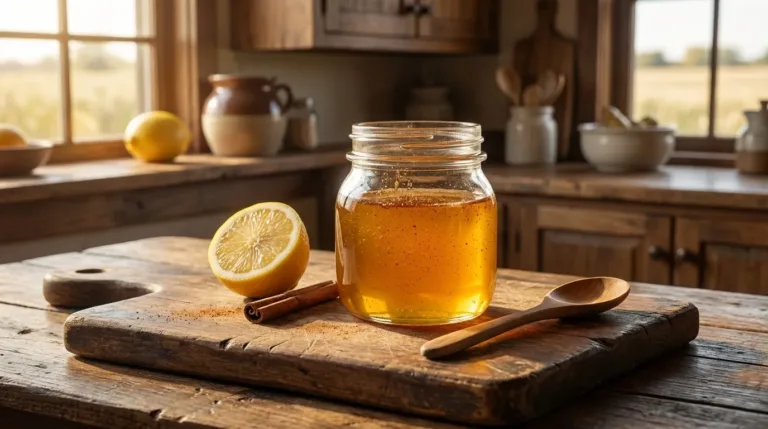
raw honey definition: I used to stare at grocery store shelves, reading every label, wondering why some jars say raw and others say pure or filtered. If you have the same question, stick with me. I’m going to break down what raw honey really means, why it tastes different, and how to use it without losing the good stuff. I’ll also share how it plays into a kitchen trick I love. If you want a deeper dive into the method behind that trick, I wrote up the full story and safety notes here: Canaan Honey Trick benefits and risks.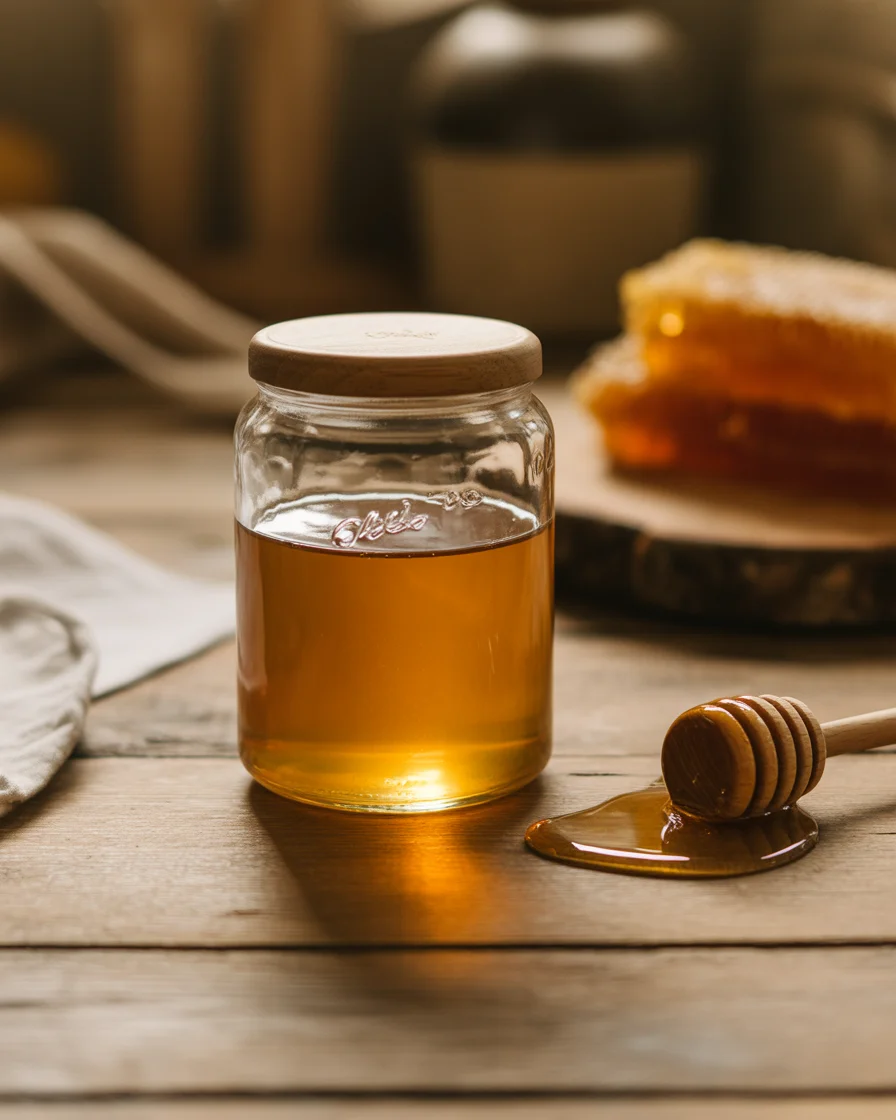
What Makes Honey “Raw”
Let’s keep this simple. Raw honey is honey that hasn’t been heated much and hasn’t been filtered in a way that strips out its natural bits. It’s basically honey as the bees made it, just strained to catch wax chunks and bee wings. The idea is to keep its natural enzymes, pollens, and delicate aromas intact. That’s what people want when they reach for raw honey. And that’s why I keep a jar on my counter most days.
When honey is harvested, beekeepers can decide how little or how much to process it. With raw honey, they avoid high heat, and they avoid ultra-fine filtration. Why does that matter? Heat can dull flavor and reduce some natural compounds you might care about. Super-fine filtering can take away the tiny crystals and pollens that make each jar unique. If you’ve ever tasted honey that felt alive with floral notes and a faint tickle on your tongue, you probably had the raw kind.
How I shop for it
I always read the label and look for simple cues. If a jar says heated or pasteurized, that’s a sign it’s not raw. If it says strained or lightly filtered, that can still be raw. Some labels also mention not heating above hive temperature. That’s a good sign too. And if the honey is crystallized in the jar, don’t worry. That often happens more quickly with raw honey and it’s totally normal.
- Look for words like raw, unheated, or minimally processed.
- Crystallization is fine and often a good clue.
- Lightly strained is okay. Ultra-filtered is not what you want here.
- Local apiaries often sell raw honey with harvest dates and floral sources.
One of my favorite quick meals that really shows off the flavor is a fast pan sauce. I melt a spoon of raw honey with soy sauce and garlic, then toss in shrimp. If you want a blueprint, try this speedy weeknight star: 15-minute honey garlic shrimp. The bite of garlic and the floral sweetness of raw honey is such a good combo.
I’ve learned to treat raw honey gently. I don’t boil it if I can help it. I stir it into warm sauces after they’ve cooled a bit. I finish roasted veggies with a drizzle instead of baking it at high temps for the whole time. Small changes, big payoff in flavor. It’s a pantry friend you want to handle with care.
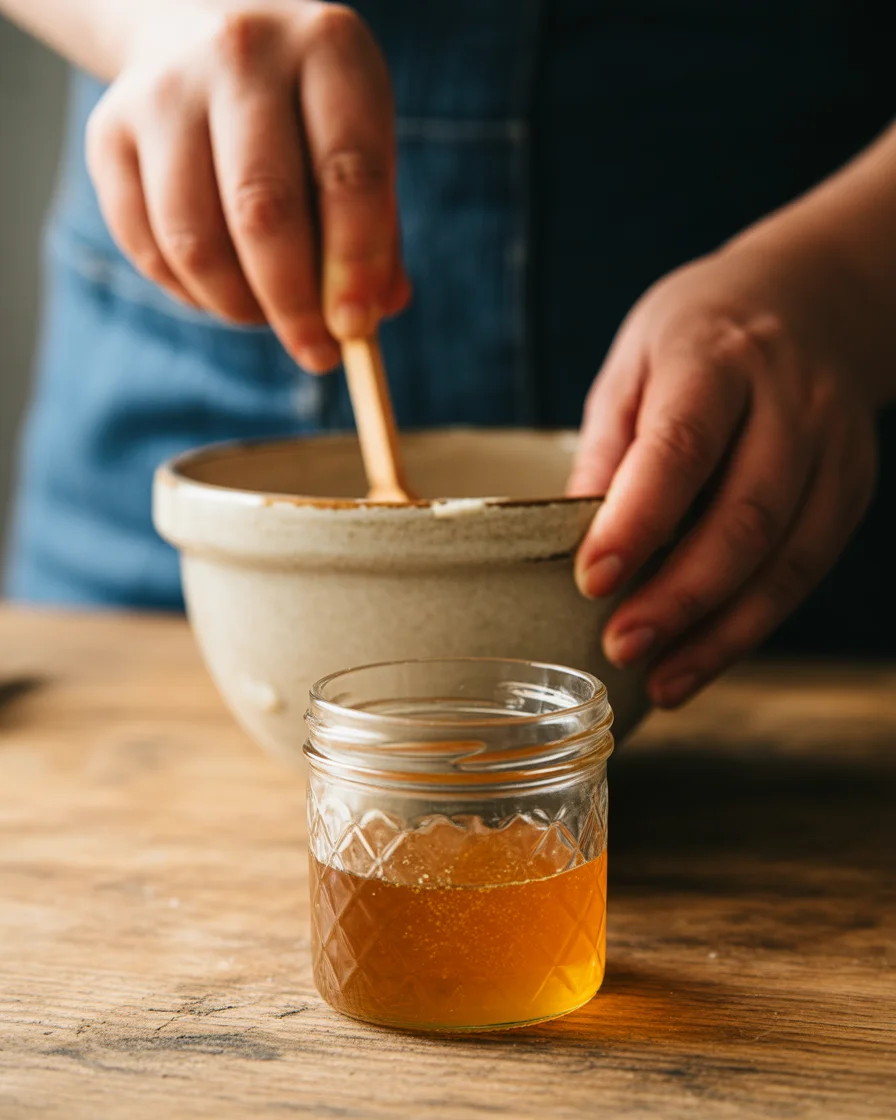
Quick tip: If your raw honey crystallizes, put the closed jar in a bowl of warm water and stir every few minutes until it loosens. Keep the water warm but not hot. Be patient.
Differences from Processed
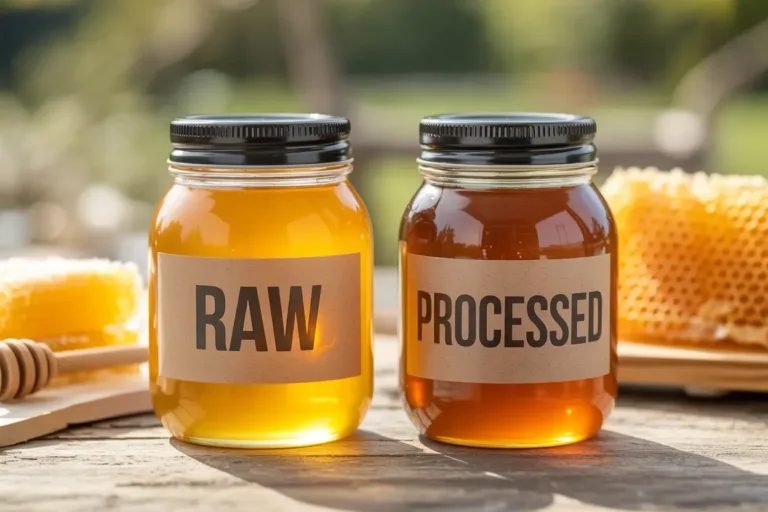
So how is raw honey different from the processed stuff? It’s all about heat and filtration. Processed honey is usually heated to keep it clear and slow down crystallization. It may also be filtered to remove more particles. That makes the jar prettier and gives it a long shelf life without changing texture. But some flavor and aroma can drop off in the process, and you lose that signature depth you get with raw honey.
Taste and texture differences
- Flavor: Raw honey tends to taste richer and more floral. Processed honey is sweeter but flatter.
- Texture: Raw honey can be thick and creamy or may crystallize. Processed honey usually stays runny and glassy.
- Aroma: Raw honey often smells like the blossoms it came from. Processed honey is mild and light.
- Color: Raw honey can shift color over time and vary with seasons. Processed honey is more uniform.
If you bake a lot, both types can work. For delicate glazes and dressings where flavor matters, I reach for the raw jar. For high-heat bakes where the honey mostly adds sweetness, processed is fine. You can also mix them if you want a balance of clean texture and layered taste.
“I switched to raw honey for my morning yogurt and could finally taste this soft, wildflower note I never noticed before. It’s like the difference between a supermarket tomato and a sun-warmed one you pick in August.”
When I want a chewy, nutty dessert, I grab raw honey for the dough, then keep the oven temp steady to avoid scorching. If you enjoy that style, these chewy honey sesame cookies are a perfect little project. They’re simple and the honey really shines.
Kitchen note: Whatever honey you buy, avoid microwaving it in the plastic squeeze bottle. Transfer to a heatproof jar before warming, and keep the heat gentle. That helps preserve flavor and structure.
Another big difference you’ll notice is how raw honey behaves in sauces. It thickens and coats ingredients beautifully without needing much reduction. Processed honey does this too, but it tends to taste sweeter without the same layers. That’s why I often finish a dish with a tiny drizzle of raw honey right before serving. You get that last-second perfume that makes the whole plate pop.
Why It’s Used in Canaan Honey Trick
If you’ve heard me mention the Canaan Honey Trick, this is where raw honey really earns its reputation. The trick leans on the way raw honey emulsifies and rounds out flavors. Because it’s minimally heated and lightly filtered, it still has natural aromatic notes that lift sauces, dressings, and even glazes. That’s a big reason I use raw honey when I want a silky finish without heavy cream or extra butter.
Raw honey also helps balance acids. If you whisk a teaspoon into lemon juice and olive oil, you get a glossy dressing that clings to greens without splitting. I notice this effect more with raw honey than processed, likely because the taste is more complex, so you need less to get a full, balanced bite. For roasted veggie bowls, I love tossing cooked veg with a tiny bit of raw honey, salt, and vinegar while everything is still warm. The flavor settles into every edge.
Best ways to use it
Use raw honey to finish dishes after the heat is off. Swirl it into yogurt or drizzle over fruit. Stir into vinaigrettes and glazes once they’ve cooled slightly. Brush a thin layer on warm bread for a glossy shine. For a casual dinner, I roast carrots and green beans, pull them out of the oven, and glaze with a spoon of raw honey, lemon zest, and pepper. If you want a step-by-step version, check out honey glazed carrots and green beans.
I also love using raw honey to bring together savory and sweet in one pan. You get a stick-to-the-spoon gloss that makes simple food taste like you fussed. A pea-sized dab in pan sauces goes far. And if you’re experimenting with that Canaan trick, a raw honey finish is what makes the flavor bloom right at the end.
Remember: Heat can dull the personality of raw honey. Use it in low-heat steps or at the finish so the good stuff stays put.
Common Questions
Does raw honey ever go bad?
Not really, but it can crystallize. That’s normal. Warm it gently to bring it back. Keep the lid tight and store at room temp.
Is raw honey safe for kids?
Never give honey to babies under one year old. For older kids and adults, choose a trusted source and store it properly.
Why did my raw honey turn solid?
Crystallization happens faster with raw honey because it hasn’t been heavily processed. Warm water bath, stir, and you’re good.
Can I bake with raw honey?
Yes, but high heat will mute some flavor. I like to use raw honey in glazes, marinades, and finishing drizzles, or in lower-temp bakes.
How do I know a jar is truly raw?
Check for words like raw, unheated, or minimally processed. Look for transparency about filtering and heating, and buy from reliable sellers.
Sweet Takeaway for Your Pantry
Raw honey is simply honey that’s kept close to how bees made it, and that’s why the flavor pops. It’s richer, more fragrant, and perfect for finishing dishes, quick glazes, and simple sauces. If you want a clear overview of honey terms and labels, I like this practical guide on how to read honey labels, and the FAQ from the National Honey Board is a helpful resource too. Grab a good jar, try a drizzle on tonight’s dinner, and see how that little spoonful can change the whole plate.