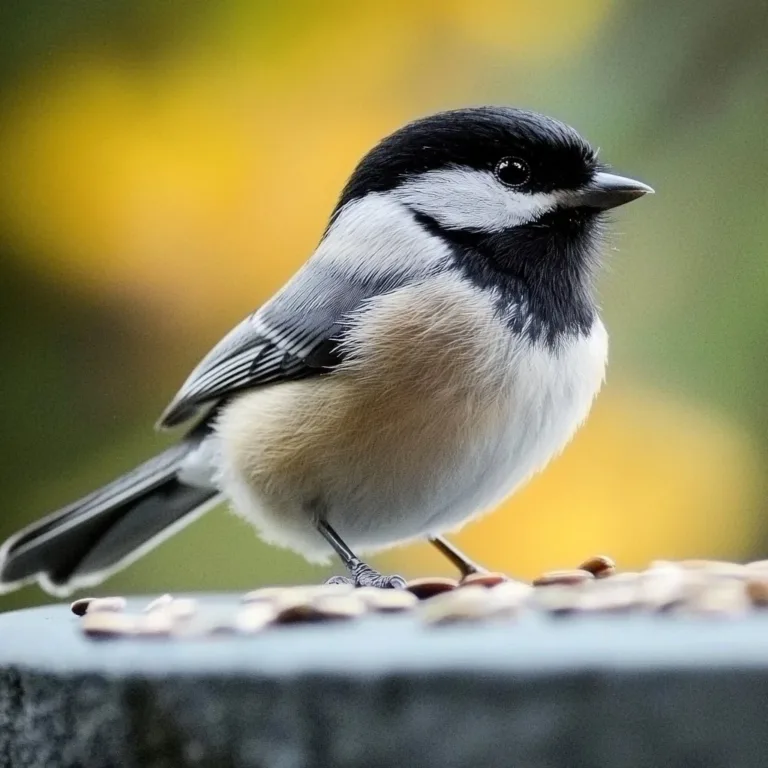
The morning light felt like warm sugar across the windowsill as I filled a shallow tray with seeds, fat, and tiny fruit, thinking of little chickadees fluttering in a maple just outside. The air smelled faintly of toasted sunflower seeds and pine, and the soft clink of glass jars made the kitchen feel like a small bakery for birds. If you enjoy simple, caring projects that bring joy to your yard, you might also like the comforting work of making a cozy meal for feathered friends like Dolly’s chicken and stuffing casserole for people.
Why You’ll Love This What Do Chickadees Eat? Chickadee Bird Food Ideas for Your Home and Yard
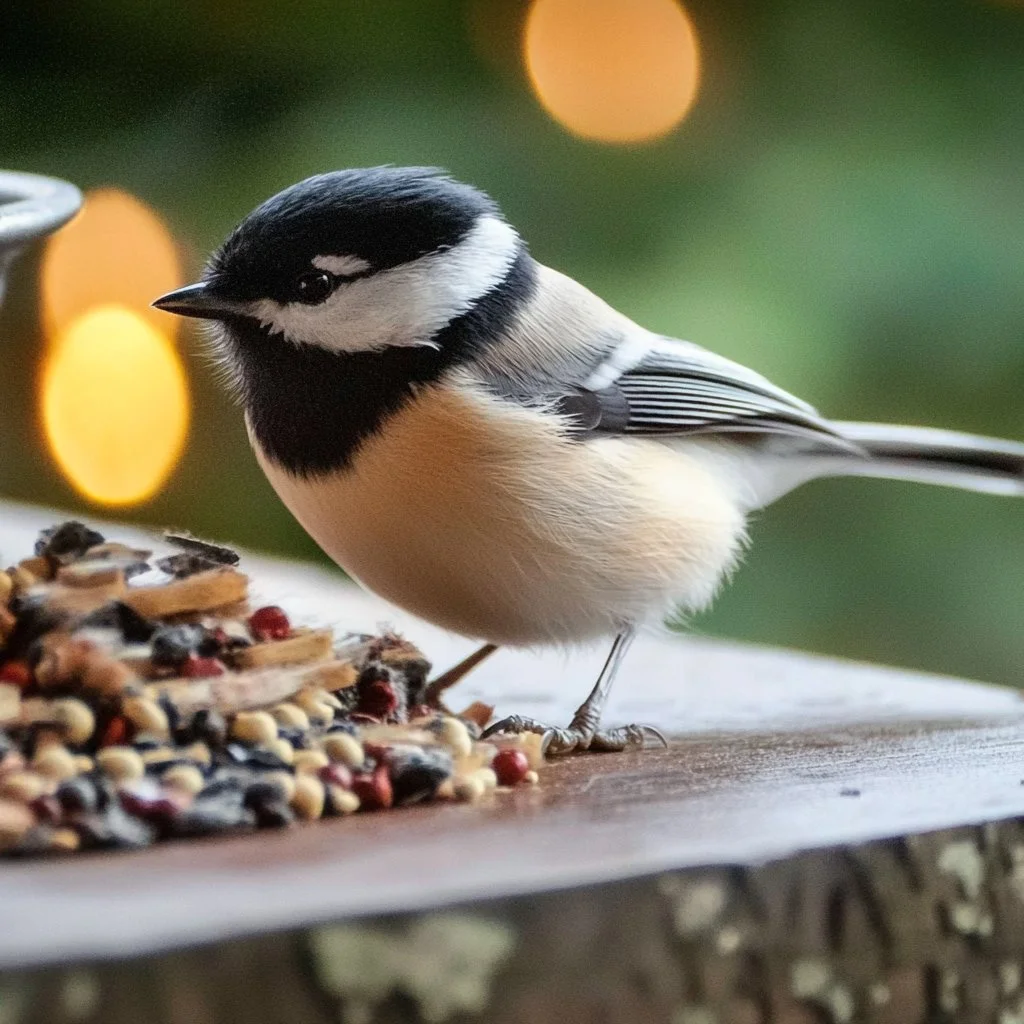
There is a gentle pleasure in watching chickadees hop from branch to feeder, heads cocked, tiny feathers puffed against a cool breeze. Feeding them feels like offering a small everyday luxury: a platter of earthy seeds and rich suet that brightens a gray morning or makes a quiet evening feel celebratory.
Chickadees are curious, lively, and unafraid of close company once they trust your feeders. That trust grows with consistent, safe food and tidy feeders. The emotional pull is simple: the comfort of routine, a backyard ritual that turns a cup of coffee into a shared moment with wild neighbors.
The joy is practical too. A few thoughtful ingredients can help chickadees through cold snaps, nesting season, and long migration days. Each seed, nut, and fat-packed bite supports energy, warmth, and the tiny bursts of song they bring to your yard. This guide offers ideas that feel as lovely to make as they are to watch being enjoyed outside your kitchen window.
How to Make What Do Chickadees Eat? Chickadee Bird Food Ideas for Your Home and Yard
“When the kitchen smells like vanilla and butter, you know something special’s baking.”
Start with a short overview. Think of your feeding station the way you would a small dessert tray: variety, texture, and an inviting layout matter. Look for visual cues when you prepare feeders. A suet cake should be firm and hold its shape, a seed mix should glint with sunflower kernels and chopped peanuts, and fruit bits should be plump and dry rather than sticky.
If you plan to bind ingredients, a gelatin-like binder can help hold suet cakes firm until birds take pieces away. For inspiration on how different kitchen tricks work, see my note on the gelatin trick for binding suet if you like experimenting with textures and structures in small projects.
Below are two simple preparations chickadees adore: classic suet cakes and a versatile seed-suet mix you can press into molds. Each has a buttery, rich mouthfeel for birds that is safely built from bird-friendly fats and unsalted seeds.
Ingredients You’ll Need
- Unsalted rendered beef suet or vegetable suet the real thing gives the right firmness and slow melt.
- Shelled sunflower seeds, black oil variety high oil content and soft shells.
- Shelled, unsalted peanuts, chopped rich and crumbly, a favorite texture.
- Cracked corn adds grit and body to the mix.
- Millet small seeds chickadees pick cleanly.
- Raisins or dried cranberries, unsweetened and chopped occasional fruit treats.
- Natural unsalted peanut butter (no sugar, no salt) for pinecone or ornament feeders.
- Oats (old-fashioned) adds structure to suet cakes.
- Unsweetened applesauce or mashed banana optional fruit binder for small seasonal cakes.
- A pinch of dried mealworms or freeze-dried insects protein boost in spring.
- Clean molds or a loaf pan, parchment paper, and a box grater for suet.
Use high-quality ingredients where it matters. The fat should be unsalted and free of spices. Seeds should be fresh. A few indulgent notes: choose natural peanut butter that smells faintly of roasted peanuts, pick plump, glossy sunflower kernels, and store nuts in a cool place to keep their oils fresh.
Step-by-Step Directions
- Prepare your workspace and pans.
Line a small loaf pan or shallow baking tray with parchment. Keep towels nearby for any drips. Work on a cool surface so suet firms faster. - Melt the suet gently.
Chop the suet into small pieces and warm it in a double boiler or a small pot over low heat. Stir until just liquefied. Avoid overheating; the fat should be warm and pourable, not smoking. - Mix seeds and add-ins.
In a large bowl, combine sunflower seeds, chopped peanuts, cracked corn, millet, and oats. Stir in chopped dried fruit and mealworms if using. The mix should look varied and inviting. - Combine fat with dry ingredients.
Pour warm suet over the seed mix. Stir quickly and evenly so every kernel gets a sheen of fat. The mixture should hold together when pressed but not be dripping. - Press into molds and chill.
Spoon the mixture into prepared molds, pressing firmly so the suet and seeds compact. Refrigerate until firm, about 2 hours, or place in the freezer for 30 minutes for a quick set. - Unmold and trim.
Once firm, turn cakes out onto a tray. Use a knife to tidy edges when needed. Store extra cakes in the freezer wrapped in parchment. - Pinecone or ornament feeders.
For a rustic hanging treat, smear natural peanut butter onto cleaned pinecones, then roll them in the seed mix. Tie with twine and hang from branches. These are immediate crowd-pleasers and easy to refresh. - Fill tube or mesh feeders.
For people who prefer cleaner feeders, fill mesh feeders with the seed mix or buy tubes designed for sunflower hearts. Place them where chickadees can perch and feel safe. - Regularly refill and rotate.
Suet melts and seed gets scattered. Refill as needed so food remains fresh and dry. Rotate fresh cakes into the freezer as reserves. - Clean feeders routinely.
Wash trays and mesh feeders with hot water and a touch of soap every two weeks, more often in wet weather. Fully dry before refilling to prevent mold.
Serving What Do Chickadees Eat? Chickadee Bird Food Ideas for Your Home and Yard With Love
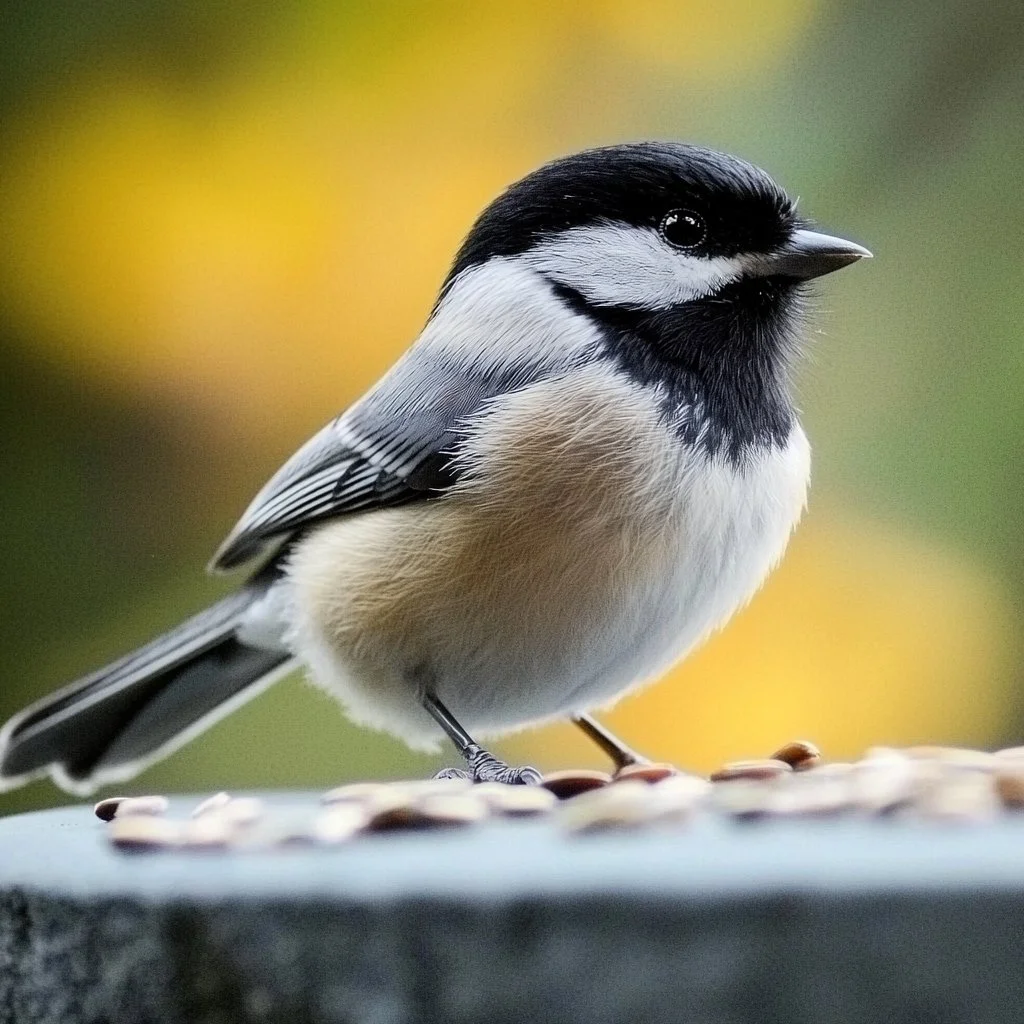
Think like you are arranging a small dessert plate, but for a bird courtyard. Set feeders at varied heights so chickadees, titmice, and nuthatches can choose their favorite spot. Place one suet tray near cover like a shrub or evergreen so birds can dart to safety quickly.
Presenting the food matters. A neat suet cake on a tray looks tempting and consistent. Mesh feeders hung from a branch sway invitingly in a breeze. For close observation, place a feeder on a pole 6 to 10 feet from a window; you will enjoy intimate visits with a cup of coffee or a soft pastry while chickadees sample the offerings.
Pair the experience with simple comforts. Keep a small notebook to note species and counts, savoring a quiet morning the way you might enjoy a buttery-soft biscuit. Frame these feeding sessions as little celebrations: a morning ritual, a birthday of a budgie-sized friend, a pause during a cold week. Small details matter clean presentation, tidy perches, and fresh food invite regular visitors.
Keeping What Do Chickadees Eat? Chickadee Bird Food Ideas for Your Home and Yard Fresh
Store seed mixes in airtight containers in a cool, dry pantry for up to three months. For long-term storage, shelled peanuts and sunflower kernels keep best in the freezer in sealed bags for up to a year. Fat-based suet cakes benefit most from freezing; wrapped well, they stay fresh for several months.
Defrost suet in its wrapping in the refrigerator before use. Avoid refreezing a suet cake once it has been thawed and exposed to warmth and air at a feeder. For small kitchens, make several small batches rather than a single large one; freshness matters more than bulk.
Check seeds and nuts periodically for rancid odors. If oil smells sharp or paint-like, discard the batch. Damp or moldy seed is a hazard to birds and must be thrown away immediately. For safety, always wear gloves when handling moldy food and wash your hands well afterward.
Sweet Tips & Tricks
- Use a muffin tin for small, tidy suet cakes.
They set in neat portions and are easy to lift from parchment. These mini cakes are like little buttery bites for birds. - Press firmly and cool quickly.
Firm pressing prevents crumbling and quick chilling gives a clean cut. If your kitchen is warm, chill in the freezer briefly. - Swap ingredients seasonally.
Add a few dried berries in winter for extra sugar and warmth. In spring, increase mealworms to support nesting birds. - Keep it simple for starters.
Busy mixes are lovely, but plain sunflower hearts and suet will attract chickadees reliably. If you are new to feeding, start with the basics and build your repertoire. - Avoid harmful ingredients.
Never use chocolate, salted nuts, or sweetened spreads with xylitol. Stick to unsalted, natural ingredients.
For a slightly different savory treat, I sometimes reference a warm casserole idea when thinking of comforting backyard projects, much like the heartiness of Dolly’s chicken and stuffing casserole recipe that comforts on cool evenings.
Flavor Twists & Variations
- Fruit-forward suet cakes.
Mix a modest amount of mashed apple or unsweetened applesauce with the suet and seeds and add dried cranberries. These cakes provide quick energy and a fruit note birds enjoy. - Insect-rich cakes.
Fold in freeze-dried mealworms or dried crickets for a protein boost during nesting. These are especially welcome in spring when parents need to feed hungry nestlings. - Seed-only blends for tube feeders.
Grind the mix coarsely to fit tube feeders, focusing on sunflower hearts and millet. These are cleaner for feeders that are exposed to rain. - Peanut-free options.
For feeders in areas with peanut allergies or availability concerns, boost chopped sunflower seeds and add pumpkin seeds for a similar oil profile. - No-fat seed ornaments.
For warm months when suet can get messy, make seed ornaments with a flour-water binder and hang them out of direct sun. These are lower fat but still attractive to chickadees.
No matter the twist, always monitor how quickly the food disappears and adjust offerings to prevent waste and spoilage.
Lessons From My Kitchen
I learned patience with feeders the same way I learned patience with a delicate tart. At first, birds were wary of new feeders. Once I found a sheltered spot and kept the food fresh, they returned often and with growing confidence.
Always have simple backups: a sealed bag of sunflower hearts and a few suet cakes in the freezer will save a week of cold weather. Clean feeders and swap soiled food immediately. Small rituals, like refreshing feeders on the same days of the week, create a dependable rhythm that birds will learn and appreciate.
Keep a small broom for fallen shells and a tray under ground feeders to catch spillage. Tidy feeding areas reduce predators and make your yard more inviting.
FAQs About What Do Chickadees Eat? Chickadee Bird Food Ideas for Your Home and Yard
Can chickadees eat peanut butter?
Yes, natural unsalted peanut butter can be safe in small amounts when used as a binder on pinecones or mixed with seeds. Avoid added salt, sugar, or artificial sweeteners. Use sparingly because pure peanut butter is very rich.
How often should I replace suet cakes?
Replace suet cakes when they become soft, oily, or contaminated by droppings or moisture. In winter, check every 2 to 3 days. In warm weather, keep suet chilled and use smaller portions to prevent melting and spoilage.
Are kitchen scraps okay for chickadees?
Small pieces of unsalted cooked fruit and plain oatmeal can be offered occasionally. Avoid bread, salty snacks, and anything moldy. Fresh, whole ingredients are safer and more nourishing.
Will feeders attract unwanted birds or predators?
Feeders will attract a range of species. Position feeders near cover but not where predators can hide unseen. Use multiple feeding stations to reduce competition, and keep cats and other pets supervised.
What time of year should I put out food?
Chickadees visit feeders year-round. Offer high-fat suet in late fall through early spring when caloric needs rise. During nesting, provide more protein-rich foods like mealworms. Maintaining a year-round water source will also help.
A Final Sweet Note
Feeding chickadees is a small, kind ritual that brings quiet delight to ordinary days. The work is simple: choose fresh, plain ingredients, keep feeders clean, and offer variety in texture and fat content. Each suet cake or seed ornament is a tiny gift, a buttery-soft comfort in the winged world just beyond your window.
I hope these ideas for What Do Chickadees Eat? Chickadee Bird Food Ideas for Your Home and Yard bring your backyard the same warm pleasure my kitchen gives me when I bake something with golden edges for friends. May your feeders be full, your cups of coffee warm, and your mornings bright with little black-capped guests.
Conclusion
If you want to read more about how larger birds can influence backyard songbirds, consider the thoughtful discussion on research on crows and songbird impacts to help place your feeding choices in a wider context. For ideas on plants and garden choices that invite chickadees and other helpful wildlife, see The Chickadee’s Guide to Gardening for practical planting tips.
Chickadee Bird Food
Ingredients
For the Suet Cakes
- 1 cup Unsalted rendered beef suet or vegetable suet Real suet provides the right firmness.
- 1 cup Shelled sunflower seeds, black oil variety High oil content and soft shells.
- 1/2 cup Shelled, unsalted peanuts, chopped Rich and crumbly for texture.
- 1/2 cup Cracked corn Adds grit to the mix.
- 1/4 cup Millet Small seeds chickadees pick cleanly.
- 1/4 cup Raisins or dried cranberries, unsweetened and chopped Occasional fruit treats.
- 2 tablespoons Natural unsalted peanut butter For pinecone or ornament feeders.
- 1/2 cup Oats (old-fashioned) Adds structure to suet cakes.
- 1/4 cup Unsweetened applesauce or mashed banana Optional binder for small cakes.
- 1 pinch Dried mealworms or freeze-dried insects Protein boost for the spring.
Instructions
Preparation
- Prepare your workspace and pans. Line a small loaf pan or shallow baking tray with parchment.
- Melt the suet gently by chopping it into small pieces and warming it in a double boiler over low heat.
- In a large bowl, combine sunflower seeds, chopped peanuts, cracked corn, millet, and oats.
- Pour warm suet over the seed mix and stir quickly so every kernel gets a sheen of fat.
- Spoon the mixture into prepared molds and press firmly. Refrigerate until firm for about 2 hours.
- Once firm, unmold cakes onto a tray and use a knife to tidy edges.
Feeding Options
- Smear natural peanut butter onto cleaned pinecones and roll them in the seed mix.
- Fill mesh feeders with the seed mix or buy tubes designed for sunflower hearts.
- Regularly refill and rotate fresh cakes into the freezer as reserves.