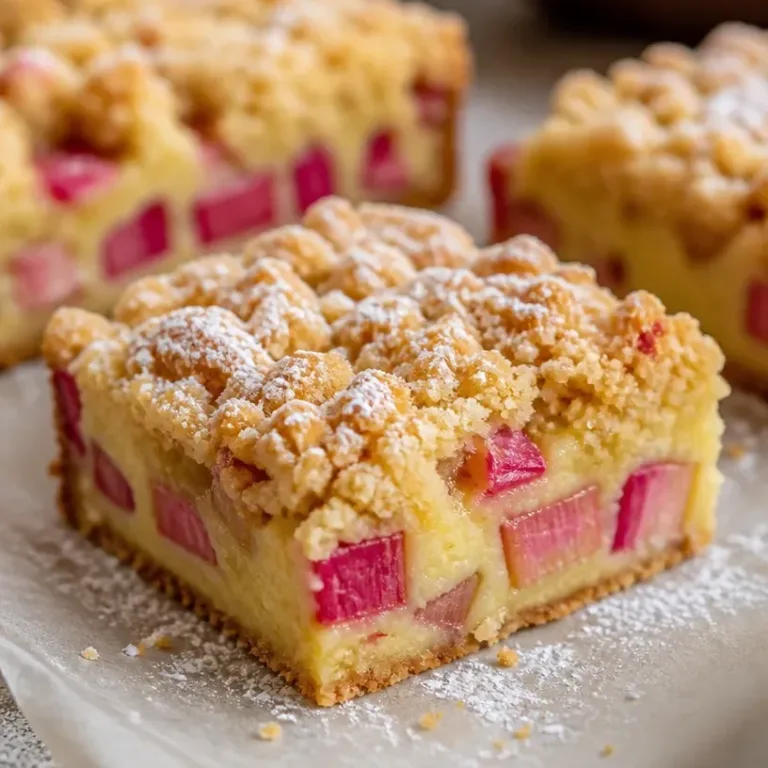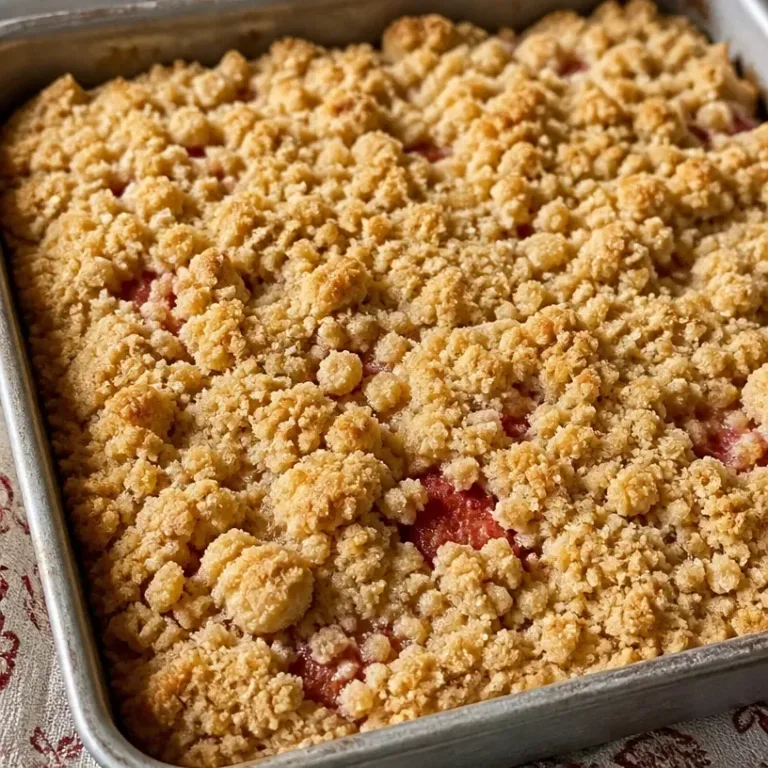

Start with the sound of forks tapping a plate and the smell of citrus brightening the whole kitchen. Kids hover, adults steal quick slices, and that first warm bite makes everyone say the same thing: “You made this?” That moment is the whole point. I learned early that a simple cake with big flavor is the easiest way to bring everyone together after a busy day. If you want a recipe that trims the fuss without trimming the joy, this Citrus Cake does the work and saves your night.
If you like other quick family cakes, I keep a few favorites handy for the same reasons. For an alternate citrus twist I refer to my notes on a fruity citrus cake that behaves much the same in a pinch.
Why Citrus Cake Deserves a Spot in Your Weeknight Rotation
This cake is one of those simple wins that looks fancy and tastes like you spent twice as long. It takes little hands-on time and very few bowls. You can mix most of it while dinner simmers or while you clean up. Meanwhile, your house starts to smell like orange and lemon, and that scent makes everyone sit up straighter.

Citrus Cake matters because it hits the comfort points: sweet, bright, and soft. It’s forgiving to small mistakes. If you overmix a bit or the oven varies by 10 degrees, you still end up with something lovely. It works for kids, picky eaters, and adults who like a fresh finish to their meal. If you want a cake that fits into a busy life and still gets the praise, this one does the trick. Also, if you ever need an apple-cake swap for a fall table, I often pair citrus nights with a slower bake like this amish applesauce cake on colder evenings.
Why it deserves a slot in your rotation:
- Fast prep and cleanup.
- Mostly pantry staples.
- Bright flavor that cuts through rich meals.
- Keeps well for lunches and snack breaks.
How to Make Citrus Cake the Easy Way
“If it smells this good halfway through, you know dinner’s gonna be great.”
First, you’ll cream, then combine, then bake. It’s that simple. You cream the butter and sugar until it’s light, add eggs and the liquids, fold in the dry stuff, and bake until golden. The batter should be smooth and pourable, not thick like cookie dough. The color is pale yellow with flecks of orange and lemon zest. The aroma is a bright citrus buzz that fills the kitchen.
A quick note on tools: use a medium bowl for the wet mix and another for the dry mix, or save time with one large bowl if you don’t mind a little extra stirring. A hand mixer speeds things up but a sturdy whisk and a bit more elbow grease work fine. If you want a slightly taller cake, use a smaller pan and watch the time. For pan specifics and a similar small pan approach, I often glance at a recipe like this apple bundt cake for how the batter behaves in different pans.
Look for these cues as you move along:
- When you cream the butter and sugar, it should go pale and fluffy.
- After adding citrus, the batter should smell fresh and bright, not cloying.
- When baking, the edges will pull away slightly from the pan and the top will be lightly golden.
- A toothpick in the center should come out clean or with a moist crumb attached.
Ingredients You’ll Need
- 2 cups all-purpose flour
- 1 1/2 cups sugar
- 1/2 cup unsalted butter, softened
- 1 cup buttermilk
- 3 large eggs
- 1/4 cup fresh orange juice
- 1/4 cup fresh lemon juice
- 1 tablespoon grated orange zest
- 1 tablespoon grated lemon zest
- 2 teaspoons baking powder
- 1 teaspoon baking soda
- 1/2 teaspoon salt
- 1 teaspoon vanilla extract
Friendly side notes:
- Use fresh citrus when you can. The zest and juice carry a lot of the cake’s personality.
- Buttermilk makes the crumb soft and keeps the cake tender; if you don’t have it, stir 1 tablespoon vinegar into a cup of milk and let it sit for 5 minutes.
- No fancy equipment needed. A bowl, whisk, spoon, and pan are the essentials.
- Don’t skip the vanilla. It rounds the citrus and makes the cake feel complete.
Step-by-Step Directions
- Preheat the oven to 350°F (175°C). Grease and flour a cake pan. Get this done first so the oven is steady. I run a quick paper towel with butter in the pan, then dust flour and tap out the excess.
- In a large bowl, cream together the sugar and butter until light and fluffy. Use a mixer for speed or a whisk for simplicity. It should look paler and have air bubbles when it’s ready.
- Beat in the eggs one at a time, then stir in the buttermilk, orange juice, lemon juice, vanilla, orange zest, and lemon zest. Add each egg fully before the next. The citrus will smell amazing here don’t overthink it, just mix until smooth.
- In another bowl, combine the flour, baking powder, baking soda, and salt. Gradually add to the wet mixture until just blended. Stir gently. Overmixing makes the cake tough. A few small streaks are fine; they will disappear in the oven.
- Pour the batter into the prepared cake pan and smooth the top. Use a spatula to even it out. A little batter on the edges is fine; it browns nicely and adds flavor.
- Bake for 30-35 minutes, or until a toothpick inserted into the center comes out clean. Start checking at 28 minutes if your oven runs hot. You want a light golden top and a spring when you press it gently.
- Allow the cake to cool in the pan for 10 minutes, then remove from the pan and cool completely on a wire rack. Cooling on a rack keeps the bottom from getting soggy. Once cool, you can glaze or dust with sugar.
Quick tips sprinkled into the steps:
- Keep stirring until smooth but stop when the batter looks even.
- A little browning on the edges is good; it adds a toasty flavor.
- If the top cracks, it’s fine that’s a rustic look and the cake will still slice nice.
The Best Way to Serve It
Serve this Citrus Cake warm or at room temperature. I like to slice it family-style on a big plate so people can take small bits and go back for more. Fresh berries or a dollop of whipped cream are nice if you want to dress it up, but it’s perfectly good on its own.

For weeknights, I slice and pack into meal-prep containers for quick dessert or an easy breakfast with coffee. For parties, add a light glaze of powdered sugar mixed with a little orange juice to make it shine. You can also serve it with plain yogurt and honey for a less sweet option.
Pairings that work:
- A scoop of vanilla ice cream for a dessert treat.
- A drizzle of yogurt or crème fraîche to add tang.
- Fresh mint or rosemary sprigs for a little green contrast.
- Coffee or a bright tea to match the citrus notes.
If you need a sweet tray for guests, this cake holds up well on a platter next to cookies and other small treats. For a more elegant touch, top slices with thin candied citrus slices.
Making Citrus Cake Last
Store slices in an airtight container at room temperature for up to two days. If your kitchen is warm, pop the cake in the fridge to keep it fresh for another day or two. When you reheat, the method matters for texture.
Reheat tips:
- Microwave works for a quick warm slice. Heat in 10-second bursts so it doesn’t dry out.
- Oven is better for texture. Wrap slices in foil and warm at 300°F for about 10 minutes to keep the edges crisp.
- Freeze whole or sliced. Wrap tightly in plastic wrap and then foil. Thaw overnight in the fridge and warm in the oven.
Honest advice: leftovers are never as pretty as fresh cake, but the flavor holds up well. If you plan to freeze, slice before freezing so you can pull single pieces easily.
Ethan’s Notes From the Kitchen
- Swap the pan for a 9-inch round for a taller cake, and add 5 to 8 minutes to the bake time. Keep an eye on the toothpick.
- If you like a brighter punch, add an extra half tablespoon of zest but don’t overdo it or the cake can turn bitter.
- Use room-temperature eggs and butter. They mix better and help the cake rise evenly.
- If you want a shiny finish, mix 1/2 cup powdered sugar with a tablespoon of orange juice and drizzle it on once the cake is just warm.
- Clean-up hack: line the bottom of the pan with parchment paper so the cake lifts out cleanly and you avoid scrubbing.
Quick Tips & Shortcuts
- Swap buttermilk with milk plus 1 tablespoon vinegar if you’re out. Let it sit for 5 minutes.
- Grate zest before juicing to save time and get full flavor from the rind.
- Use a hand mixer to reduce mixing time by half. A whisk will do in a pinch.
- Make the batter the night before and keep it chilled; bake in the morning for fresher cake and less morning prep.
- If you have extra citrus, freeze the juice in ice cube trays for future bakes.
Variations That Work
You can change this cake to fit seasons or cravings without losing its easy charm.
- Lemon-only cake: Use only lemon juice and lemon zest for a tart lemon loaf feel.
- Orange-only cake: Swap all citrus for orange for a sweeter, almost marmalade-like note.
- Poppy seed add-in: Stir 2 tablespoons poppy seeds into the batter for texture and a small crunch.
- Almond twist: Replace 1/2 cup of flour with almond flour to add a nutty depth and slightly denser crumb.
- Glazed citrus and rosemary: Make a glaze with powdered sugar and orange juice and scatter finely chopped rosemary on top for a savory aroma.
- Lighter version: Replace half the butter with applesauce and reduce sugar by 1/4 cup. The cake will be moister and lower in fat.
I’ve tried many of these over the years. If time is tight, the poppy seed version is my quick go-to because it requires no changes to method, only one stir-in.
FAQs About Citrus Cake
Can I make this ahead?
Yes. It actually tastes even better the next day when the flavors settle. Bake, cool, wrap, and store at room temp or in the fridge.
Can I use bottled juice?
Fresh juice is best for flavor, but bottled works in a pinch. You may lose a little brightness.
My cake came out dense. What went wrong?
Likely overmixing the batter or old baking powder. Mix until just combined and always check dates on your leavening.
Can I make cupcakes instead of a cake?
Absolutely. Bake at 350°F for 18-22 minutes. They’ll be faster and great for portion control.
How do I keep the cake moist?
Don’t overbake. Also, a simple syrup made of equal parts sugar and water with a splash of orange juice brushed on the layers keeps moisture in.
A Final Bite
If your family licks the pan clean, don’t say I didn’t warn you. This cake is the kind you make on a weeknight and end up saving a slice for breakfast. It’s bright, easy, and forgiving. It’s the kind of dessert that makes a messy evening feel like a little celebration. You’ve got this.
Conclusion
If you want a version with a different presentation or a winter twist, I like the way the Upside Down Winter Citrus Cake – Broma Bakery uses fruit and caramel for a fancier finish. For inspiration on small, sunny cakes and how to bake them in compact pans, check out the 6 Inch Sunshine Citrus Cake – Sally’s Baking Addiction.

Citrus Cake
Ingredients
Dry Ingredients
- 2 cups all-purpose flour
- 2 teaspoons baking powder
- 1 teaspoon baking soda
- 1/2 teaspoon salt
Wet Ingredients
- 1/2 cup unsalted butter, softened Use room temperature for easier creaming.
- 1 1/2 cups sugar
- 3 large eggs Room temperature is preferred.
- 1 cup buttermilk Can substitute with milk and vinegar.
- 1/4 cup fresh orange juice Fresh is always best.
- 1/4 cup fresh lemon juice Fresh is always best.
- 1 teaspoon vanilla extract Essential for flavor.
- 1 tablespoon grated orange zest
- 1 tablespoon grated lemon zest
Instructions
Preparation
- Preheat the oven to 350°F (175°C). Grease and flour a cake pan.
- In a large bowl, cream together the sugar and butter until light and fluffy.
- Beat in the eggs one at a time, then stir in the buttermilk, orange juice, lemon juice, vanilla, orange zest, and lemon zest.
- In another bowl, combine the flour, baking powder, baking soda, and salt. Gradually add to the wet mixture until just blended.
- Pour the batter into the prepared cake pan and smooth the top.
Baking
- Bake for 30-35 minutes, or until a toothpick inserted into the center comes out clean.
- Allow the cake to cool in the pan for 10 minutes, then remove from the pan and cool completely on a wire rack.