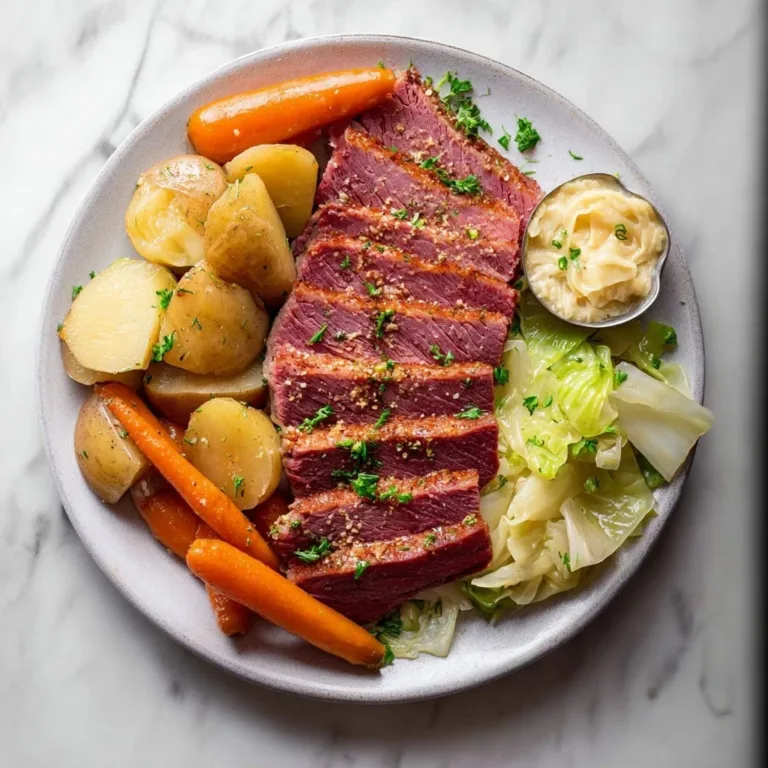
The smell of a pot simmering, the family slowly drifting to the table, and that first knife through the corned beef where you can see the steam and the juices. That is the memory I chase when I make Corned Beef and Cabbage. It is simple, honest food that feels like a hug, and it is the sort of weeknight dinner that actually fits into a busy life. When kids need homework done and you need a meal on the table, this one checks the boxes: comforting, forgiving, and easy to scale up or down.
If you want a few quick cabbage tricks to speed things along, I like to keep them close at hand for weeknight work. Simple cabbage tricks are easier than you think.
Why Corned Beef and Cabbage Deserves a Spot in Your Weeknight Rotation
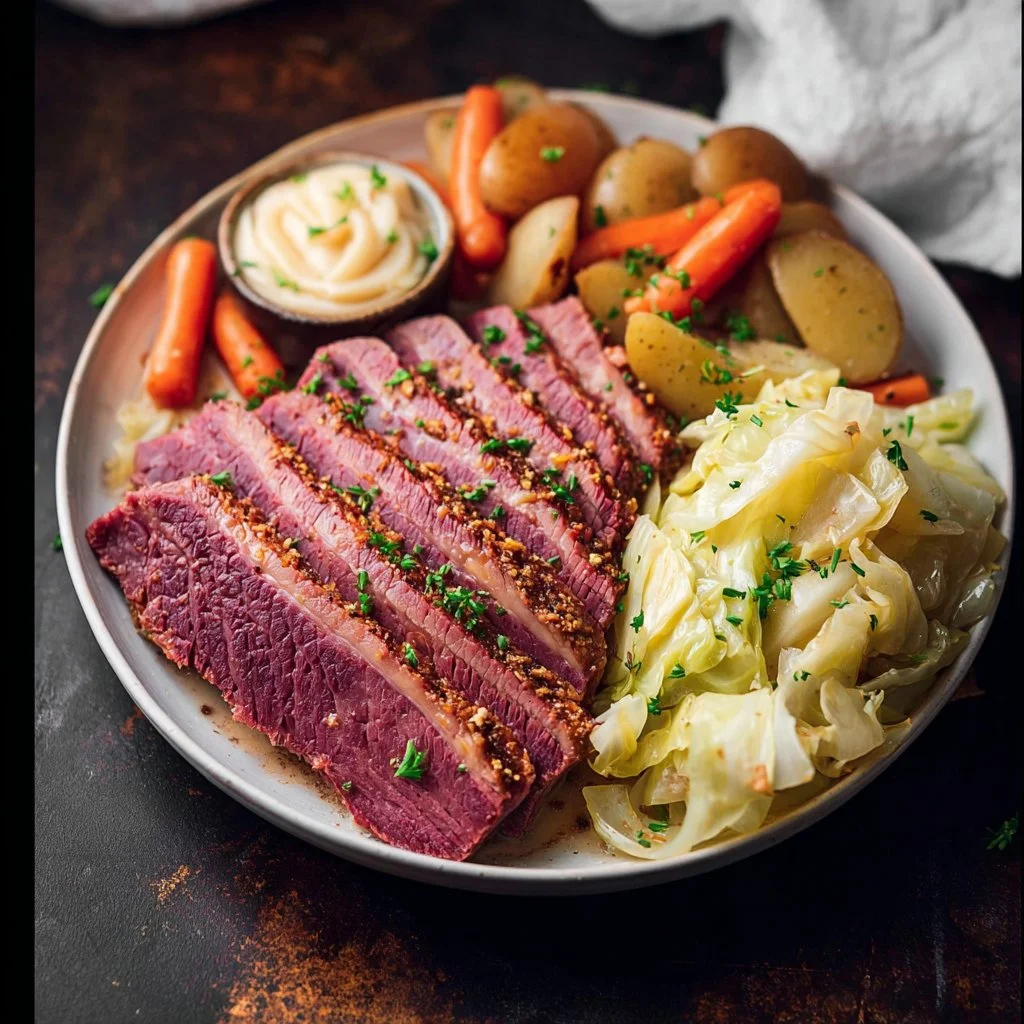
This meal gives you a lot for very little babysitting. A single large pot holds the brisket and all the vegetables, and once it is simmering you can tidy up the kitchen, help with homework, or relax for a bit.
It is forgiving on timing. Simmer it a bit longer if life gets in the way. The flavors hold up and sometimes get even better after a day in the fridge.
Families usually love it. The meat is tender, the potatoes and carrots are familiar, and the cabbage picks up a little sweet edge from the broth. Add mustard for zing and you have happy faces around the table.
If you like using leftovers in fun ways, you can lean on a few ideas for turning extra corned beef into sandwiches or other dishes. Try a Reuben twist for lunch the next day with this easy guide to a classic corned beef Reuben idea.
How to Make Corned Beef and Cabbage the Easy Way
“If it smells this good halfway through, you know dinner’s gonna be great.”
The heart of this recipe is slow, gentle cooking. You simmer the corned beef until it is tender and the connective tissues break down. Then you add the vegetables for the last 30 minutes so they finish in the same pot and soak up the broth.
Look for visual cues. When the meat pulls apart easily with a fork, it is done. The cabbage should be bright green with softened leaves but not a soggy mess.
You want a deep, savory broth with a little salt and a mild tang from the spices. That liquid is flavor gold. Spoon a little over the slices when you serve.
Meanwhile, keep the kitchen calm. Clean as you go and use one big pot to cut down on dishes. This meal rewards patience more than skill.
Ingredients You’ll Need
4 pounds corned beef brisket
1 large head cabbage, cut into wedges
4 large carrots, cut into pieces
6 medium potatoes, quartered
1 onion, quartered
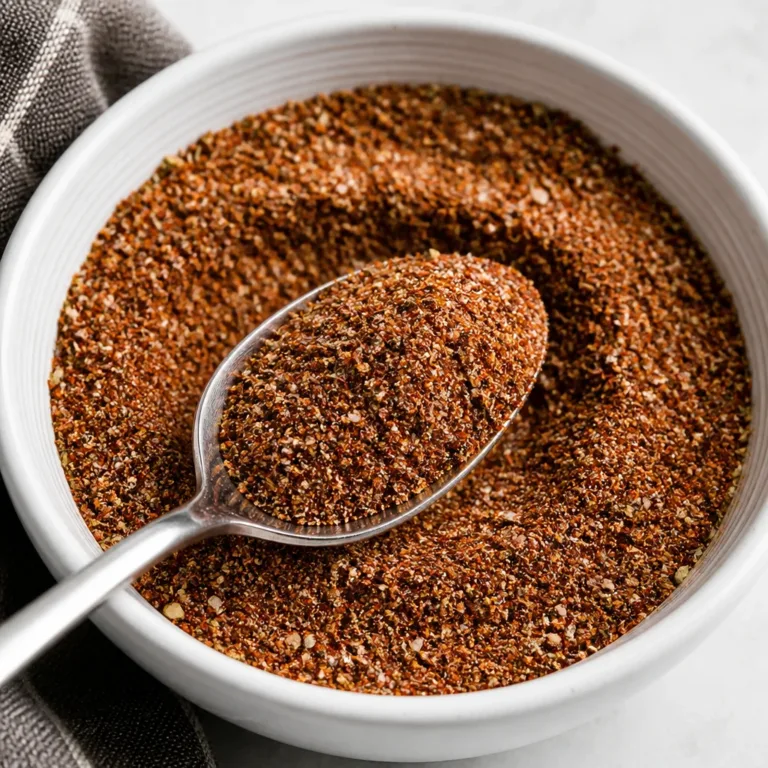
2 tablespoons mustard seeds
2 bay leaves
Salt and pepper to taste
Water or low-sodium beef broth
Friendly note: use what’s in your fridge. No fancy stuff needed. If you have extra garlic, throw a clove in the liquid. If your brisket comes with a spice packet, feel free to use it but taste the broth before adding more salt. And if you want to stretch leftovers into a new dinner, think about mixing diced potatoes and corned beef into a quick stir-fry inspired by lo mein ideas with this guide to a simple noodle swap stretching leftovers into lo mein.
Step-by-Step Directions
- Place the corned beef brisket in a large pot and cover with water or beef broth.
Bring the liquid up to a light simmer. Adjust heat so it does not roar.
The goal is a steady gentle simmer. - Add mustard seeds, bay leaves, and onion.
Nestle them around the brisket so the flavors infuse the broth.
If your brisket came with a spice packet, add it now. - Bring to a boil, then reduce heat and simmer for about 2-3 hours or until tender.
Check every 45 minutes, skim any foam if needed, and top up water if it drops low.
When the meat shreds with a fork, you are on the right track. - In the last 30 minutes of cooking, add potatoes, carrots, and cabbage.
Push them into the broth so they get an even cooking.
Watch the cabbage; it cooks quickly and should stay bright. - Cook until vegetables are tender.
Test a potato with a fork and a cabbage leaf by tasting a small piece.
They should be soft but not falling apart. - Remove the corned beef and let it rest before slicing.
Rest for 10 minutes so juices redistribute and the meat slices easily.
Slice across the grain for tender pieces. - Serve with vegetables and a drizzle of mustard if desired.
Spoon some cooking liquid over the meat to keep it moist.
Don’t overthink the plating. Family-style is perfect.
Quick tips inside steps: keep an eye on the heat so your pot simmers, not boils. A little browning on the sliced meat after resting is fine if you decide to pop slices in a hot skillet for a minute. You’ve got this.
The Best Way to Serve It
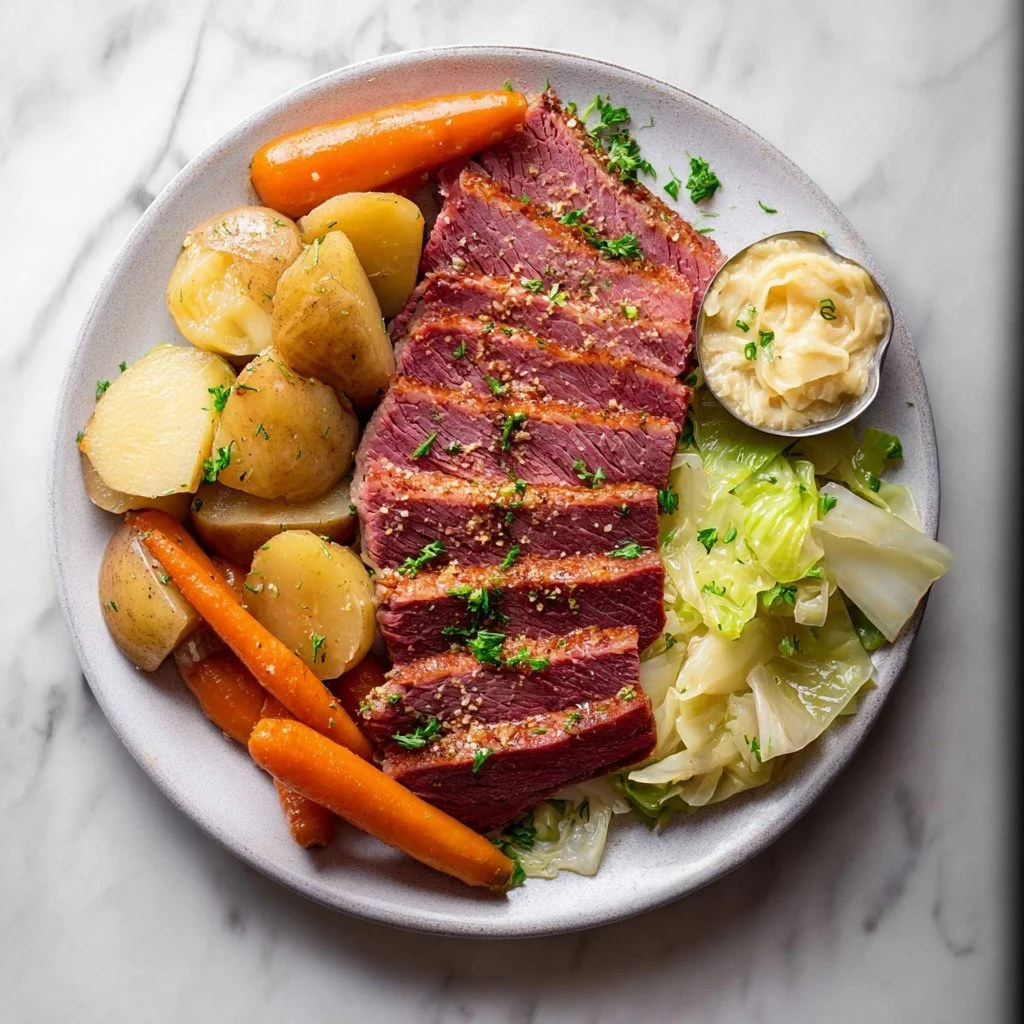
I serve this straight from the pot for family nights. Place the sliced corned beef on a platter, pile the potatoes and carrots beside it, and fan the cabbage wedges around. Leave a ladle of broth on the table for those who like a splash.
For meal prep, slice the beef and pack into containers with a few vegetables and a spoonful of broth. It reheats well and keeps its texture in the fridge for a few days.
If you want to dress it up, a grainy mustard or a quick horseradish sauce brightens the flavors. A crusty roll on the side makes it filling for teens and hungry adults.
If you have other dishes planned, pair it with a simple salad or roasted beets. Or keep it classic and let the corned beef and vegetables shine. For a playful family night, turn the leftovers into a chili or hash the next day using these hearty ideas for swapping flavors into other meals swap into a hearty chili.
Storage & Reheat (No Soggy Leftovers)
Store cooled leftovers in airtight containers. Keep the meat and vegetables together with a little cooking liquid to preserve moisture.
Refrigerator: 3 to 4 days. Freeze: up to 3 months. Wrap the meat tightly in foil or plastic wrap before freezing, or use freezer-safe bags and squeeze out as much air as possible.
Reheating tips: the microwave works for fast lunches, but it can make the cabbage limp. For best texture, reheat in a low oven at 300 F until warmed through. A skillet with a touch of oil also reheats slices well and adds a bit of crispness to the outside.
If you froze the meal, thaw overnight in the fridge. Reheat from cold slowly to keep the meat tender. If the broth is reduced after refrigeration, add a splash of water or broth while reheating.
Honest advice: leftovers are great, but cabbage will never be the same as freshly cooked. Plan for that and accept a softer texture the next day.
Quick Tips & Shortcuts
- Use low-sodium broth if you want better control on salt. Taste before you add extra.
- Buy a corned beef with the spice packet for one less step. Use the packet sparingly if you prefer a milder flavor.
- Cut the potatoes smaller if you want them to cook faster. Quartered is a good balance.
- Clean as you go. While the pot simmers, wash cutting boards and knives. Less cleanup after dinner.
- If you are short on time, a slow cooker works well. Start on low and let it go all day.
Personal kitchen note: I sometimes roast the carrots separately with a little honey for kids who don’t love boiled carrots. It adds a sweet crunch the whole family likes.
Variations That Work
Make it a little lighter: swap half the potatoes for sweet potatoes. They add color and a gentle sweetness.
Add beer: replace some of the water with a pint of ale for a deeper flavor. It is a classic touch and we do it for a weeknight that feels a little grown-up.
Spice it up: throw in a few peppercorns or a sliced jalapeno if you like heat. Just remove the seeds if the kids are at the table.
Slow cooker version: put everything in the insert, cover, and cook on low for 8 to 10 hours. Add cabbage in the last hour. If you want exact slow cooker timings, check a trusted slow cooker guide for corned beef and cabbage to match your device settings.
Make it a sandwich tomorrow: slice the leftover meat thin and toast on rye with Swiss cheese and sauerkraut. A quick pan press makes it feel special.
Tip: if you want a crisp exterior, sear slices in a hot skillet for a minute per side after slicing and resting. It adds a caramelized note that kids notice.
FAQs About Corned Beef and Cabbage
Can I make this ahead?
Yep. It actually tastes even better the next day when the flavors settle. Cook everything, cool, and store in the fridge. Reheat gently.
How do I know when the corned beef is done?
Use a fork test. When the meat pulls apart easily and the connective tissue feels soft, it is done. It should not be tough or rubbery.
Can I use a pressure cooker?
Yes. A pressure cooker cuts time dramatically. Cook the brisket under pressure for about 70 to 90 minutes depending on size, then add vegetables and pressure for another 6 to 8 minutes. Follow your machine’s manual for safety.
Is corned beef very salty?
It can be. That is why I recommend low-sodium broth and tasting before adding salt. Rinse the brisket briefly if you want to reduce some of the surface salt.
What if I do not like cabbage?
Substitute extra carrots or parsnips. You will still get a great vegetable element. Or try shredded cabbage quickly sautéed with a little butter after cooking for a different texture.
Ethan’s Notes From the Kitchen
I have made this dish more times than I can count. My kids still ask for it on cold nights. The best part is that it does not demand perfect timing. Once you learn the visual cues, you can rely on it.
When busy nights pile up, keep a corned beef in the freezer. Thaw it overnight, and you have dinner ready for the next evening. The simplicity is what makes this recipe a keeper.
If one thing can tip the meal from good to great, it is the rest time after cooking. Let the meat sit for a short rest and you will be able to slice it neatly. No one wants ragged slices at the family table.
A small kitchen hack: line a baking sheet with foil and rest the sliced beef on it. Clean-up is easier and you can keep it warm in a low oven while you plate the vegetables.
A Final Bite
If your family licks the pot, don’t say I didn’t warn you. This is the kind of meal that shows up on the table and brings everyone together without a fuss. It is reliable, warm, and forgiving of life’s small interruptions.
Until next time, keep it simple, keep it tasty, and don’t overthink the process. You’ve got this, and the kitchen will smell like dinner and home.
Conclusion
If you want a step-by-step version that covers both slow cooker and stovetop methods in one place, this Corned Beef and Cabbage Recipe (Slow Cooker or Stovetop!) has a clear guide and extra tips. For a slow cooker-focused approach with helpful timing notes, try this Corned Beef and Cabbage Slow Cooker Recipe – Spend With Pennies.
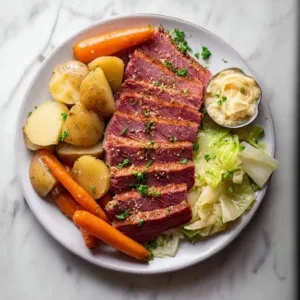
Corned Beef and Cabbage
Ingredients
Main Ingredients
- 4 pounds corned beef brisket Choose a high-quality brisket for best flavor.
- 1 large head cabbage, cut into wedges Use bright green cabbage for better flavor.
- 4 large carrots, cut into pieces Cut into even pieces for uniform cooking.
- 6 medium potatoes, quartered Quarter for quicker cooking.
- 1 large onion, quartered Adds depth to the broth.
- 2 tablespoons mustard seeds For flavor infusion.
- 2 pieces bay leaves Enhances the flavor profile.
- to taste Salt and pepper Adjust according to personal preference.
- as needed Water or low-sodium beef broth Use broth for added flavor.
Instructions
Preparation
- Place the corned beef brisket in a large pot and cover with water or beef broth.
- Bring the liquid up to a light simmer. Adjust heat so it does not roar.
- Add mustard seeds, bay leaves, and onion nestling them around the brisket.
- Bring to a boil, then reduce heat and simmer for about 2-3 hours or until tender, checking every 45 minutes.
- In the last 30 minutes of cooking, add potatoes, carrots, and cabbage into the pot, pushing them into the broth.
Serving
- Remove the corned beef and let it rest for 10 minutes before slicing.
- Serve with vegetables and drizzle with mustard, if desired.
- Spoon some of the cooking liquid over the meat to keep it moist.