what is the baking soda trick recipe is usually the question people blurt out when they see a super fluffy pancake or a cake that rises like it had a tiny balloon inside. I totally get it because baking soda feels like that random box in the back of the pantry that only comes out for deep cleaning or a science project. But in the kitchen, it can be a real game changer if you know what it’s doing and when to use it. I learned this the hard way after making a batch of muffins that tasted weirdly soapy, and yep, that was my fault. Today I’m walking you through what’s inside the trick, why it works, and how to actually use it in a normal home kitchen without overthinking it. 
Key Benefits of Understanding This Topic
The main reason I love learning the why behind a recipe is simple: it saves ingredients and saves moods. If you understand the baking soda trick recipe, you can troubleshoot problems fast, like when your banana bread turns out dense or your cookies spread into one giant sheet pan situation.
Here are the benefits that actually show up in real life:
- Better rise and fluff in quick breads, pancakes, muffins, and some cookies.
- More reliable results because you will know when baking soda needs an acidic buddy to work.
- Improved browning so you get that golden top that makes people think you worked harder than you did.
- Tender texture when it’s balanced right, especially in cakes and breakfast bakes.
- Less waste because you’re not tossing “mystery failed” batches as often.
Also, once you get comfy with it, you start noticing patterns in other kitchen trends too. Like those viral texture hacks that pop up on social media. If you’re the curious type, you might enjoy reading about gelatin kitchen trends as well, like what is the TikTok gelatin trick recipe and why is it trending. Different ingredient, same idea: a small tweak can totally change the outcome.
Common Misconceptions About the Subject
I’ve heard so many confident statements about baking soda that are not quite right. And honestly, I used to repeat a few of them until I started paying attention to what happened in my own oven.
Misconception 1: Baking soda and baking powder are basically the same
Nope. They can sometimes swap in a pinch, but they are not twins. Baking soda needs an acid to react. Baking powder already has acid in it, so it’s more of a “just add moisture” situation.
Misconception 2: More baking soda makes things rise more
This one is a trap. Too much baking soda can make your baked goods taste bitter, metallic, or like soap. It can also mess with texture. The baking soda trick recipe is about balance, not boosting.
Misconception 3: Baking soda only matters in baking
It’s famous for baked goods, sure, but it also pops up in things like tenderizing certain foods and even helping with crispness in some recipes. I still use it mainly for baking, but it’s good to know it has range.
And while we are talking about internet myths, I’ll say this gently: there are a lot of “trick” claims out there about ingredients doing miracle things. If you like reading expert perspectives on trendy tricks, I found this interesting: Dr. Mark Hyman’s take on the gelatin trick recipe. It’s a nice reminder to keep curiosity but also keep your common sense.
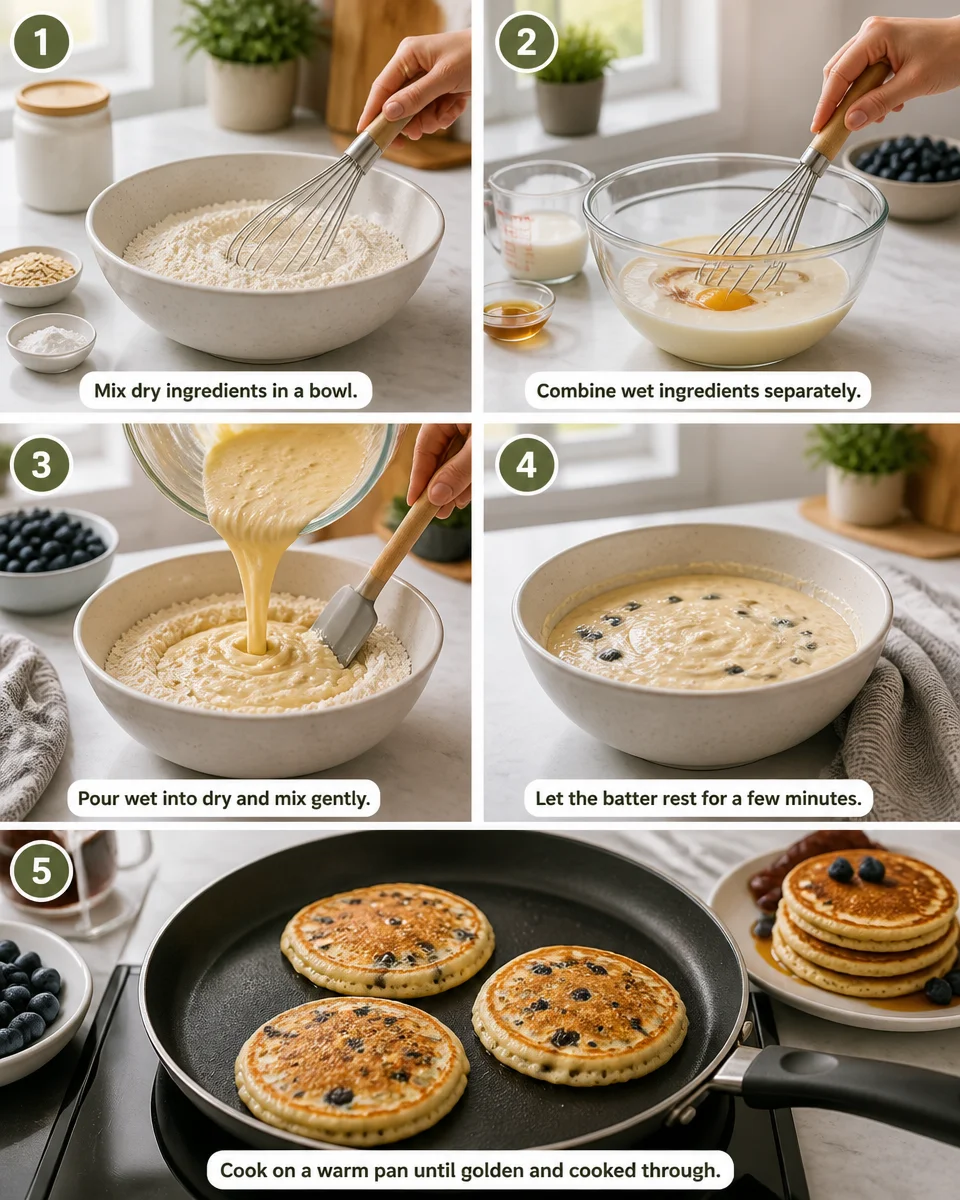
Step-by-Step Guide to Mastering It
Okay, here’s the part you probably came for: how to actually do the baking soda trick recipe in a way that makes sense and tastes good. I’m going to frame this around my go to “fluffy pancake and muffin” method because it’s the easiest place to see baking soda do its thing.
What the trick really is
The trick is pairing baking soda with the right acid and not letting it sit around too long once wet. When baking soda meets acid plus moisture, it creates bubbles of carbon dioxide. Those bubbles are the lift. That’s the whole magic. Your job is to set it up and not smother it.
What you will need
- Baking soda (fresh helps, old boxes lose strength)
- An acidic ingredient: buttermilk, yogurt, sour cream, lemon juice, or vinegar
- Flour, salt, and whatever else your recipe uses
- Eggs and a little fat like melted butter or oil
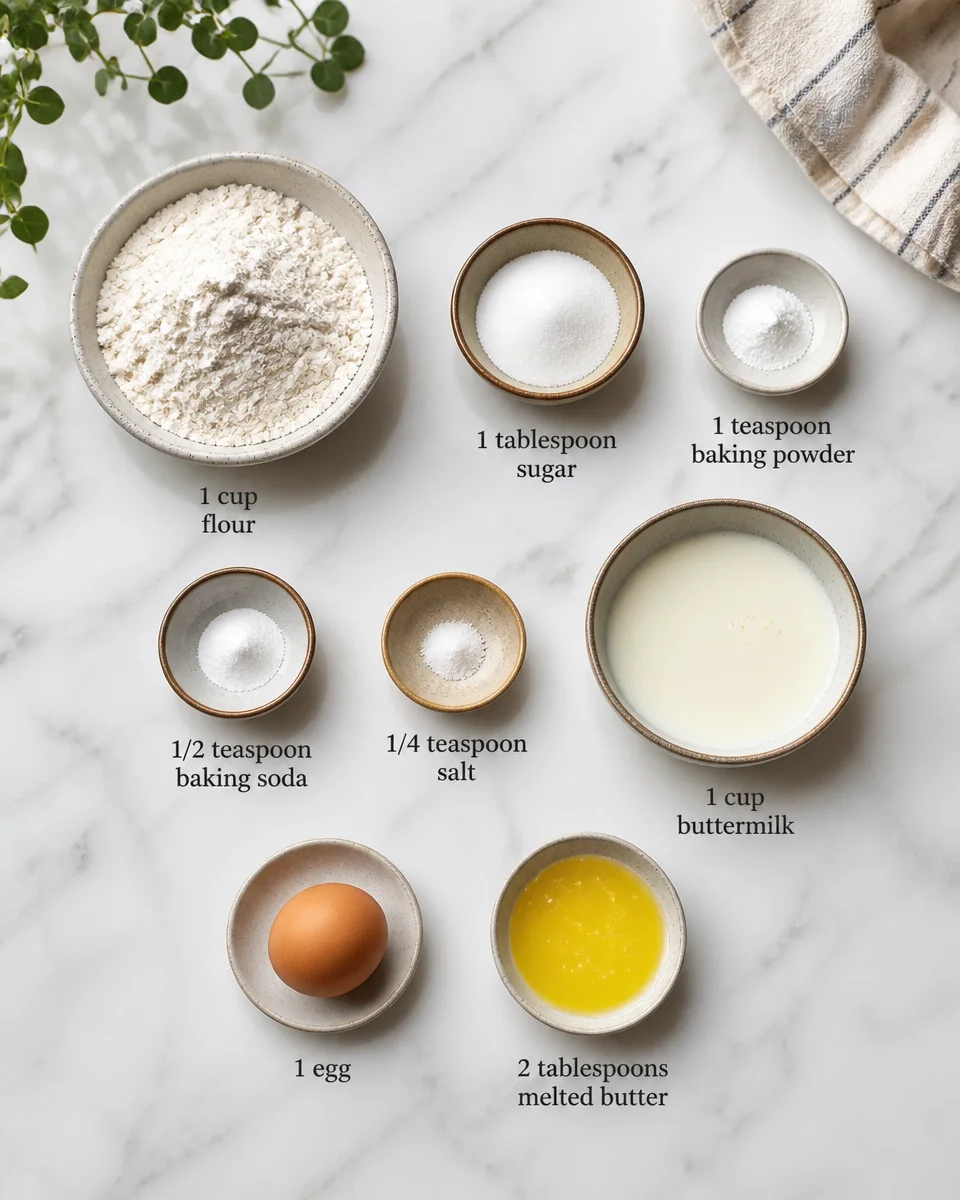
My simple “baking soda trick” pancake batter
This is not fancy, it’s just reliable. It’s the kind of breakfast that makes the kitchen smell like you have your life together.
- 1 cup flour
- 1 tablespoon sugar (optional but nice)
- 1 teaspoon baking powder (yes, I often use both)
- 1/2 teaspoon baking soda
- 1/4 teaspoon salt
- 1 cup buttermilk (or 1 cup milk plus 1 tablespoon lemon juice, let it sit 5 minutes)
- 1 egg
- 2 tablespoons melted butter or oil
Directions:
- Mix the dry ingredients in one bowl.
- Mix the wet ingredients in another bowl.
- Pour wet into dry and stir gently. Stop when you don’t see big dry patches. Lumps are fine.
- Let it rest 2 to 5 minutes, not 30. You want bubbles, not a flat batter.
- Cook on a warm pan and flip when the edges look set and the top has bubbles.
If you do it right, you’ll see that soft lift and those little airy pockets inside. That’s the baking soda trick recipe working in plain sight.
Quick tip from my many pancake mistakes: don’t crank the heat. High heat makes the outside brown too fast while the inside is still trying to cook. Medium is your friend.
Real-life Applications and Examples
Once you understand the baking soda trick recipe, you start seeing where it belongs and where it doesn’t. Here are a few real examples from my kitchen life.
1. Banana bread that actually rises
Bananas are slightly acidic, and a lot of banana bread recipes include yogurt or brown sugar too, which helps. Baking soda gives it that nice lift so it doesn’t feel like a brick. If your loaf keeps sinking, you may have too much moisture or not enough structure, but checking your baking soda amount is a good start.
2. Extra tender muffins
Muffins love baking soda when there is sour cream, yogurt, or buttermilk in the mix. The crumb turns softer and the top browns better. This is where I first fell in love with how dependable the reaction can be.
3. Cookies with better spread and color
Baking soda can help cookies spread a bit more and brown nicely. That’s perfect for chewy cookies. If you want thicker cookies, you might lean more on baking powder instead.
4. DIY “buttermilk” when you are out
This one saves me constantly. Milk plus lemon juice or vinegar, rest 5 minutes, done. Now you have an acidic base ready to react. It’s not exactly the same as real buttermilk, but it works for pancakes, muffins, and quick breads.
I also like to look at how other ingredients create structure or texture in recipes, especially the ones that get trendy. Gelatin is one of those ingredients people are suddenly paying attention to for different reasons. If you want a deeper dive, this article is a solid read: discover the magic of Mark Hyman gelatin recipe for better health. Totally different vibe from pancakes, but it’s another example of how small ingredients get big results when you use them correctly.
Resources for Further Learning
If you want to get really comfortable with the baking soda trick recipe, I think the best “resources” are a mix of good basics and a little hands on experimenting. You don’t have to treat it like homework, but it helps to have a few go to references.
Here’s what I recommend:
- Read a couple trusted baking books that explain the difference between baking soda and baking powder in plain language.
- Keep notes on recipes you make often. If you change yogurt to milk, notice how the texture changes.
- Learn the acid list: buttermilk, yogurt, sour cream, citrus juice, vinegar, molasses, brown sugar, cocoa powder (natural cocoa is acidic, Dutch processed is less so).
- Do a tiny test: stir a pinch of baking soda into a spoon of lemon juice and watch it fizz. That’s the reaction you want happening in your batter.
And here’s one practical safety note: baking soda is powerful in flavor. Measure it. Don’t eyeball it unless you like living on the edge, and I say that as someone who definitely has.
Common Questions
Q: Can I use baking soda if my recipe has no acid?
A: It’s usually not a good idea. Without acid, you can get a weird taste and not much lift. Use baking powder instead, or add a small acidic ingredient that fits the recipe.
Q: How do I know if my baking soda is still fresh?
A: Mix a little baking soda with lemon juice or vinegar. If it fizzes right away, it’s active. If it barely reacts, replace it.
Q: Why did my muffins taste soapy?
A: That’s often too much baking soda, or not enough acid to balance it. It can also happen if it wasn’t mixed evenly.
Q: Is it okay to use both baking powder and baking soda?
A: Yes, and I do it a lot. Baking powder gives extra lift, baking soda helps with browning and tenderness when there’s acid in the batter.
Q: Should I let the batter rest?
A: A short rest is fine, like 2 to 10 minutes, especially for pancakes. Too long and you lose bubbles, which means less fluff.
A cozy wrap-up before you start mixing
The baking soda trick recipe is really just a smart little reaction between baking soda and something acidic, plus good timing. Once you get the hang of it, your pancakes, muffins, and quick breads come out lighter, tastier, and more predictable. If you’re curious about other “tricks” you see online, it helps to read balanced sources too, like What is the baking soda trick for men with ED? | Ubie Doctor’s Note and this reality check style overview Baking Soda for Weight Loss: Does It Work? – Healthline. Now go grab that little box in your pantry, make a batch of something cozy, and let the bubbles do their job.