
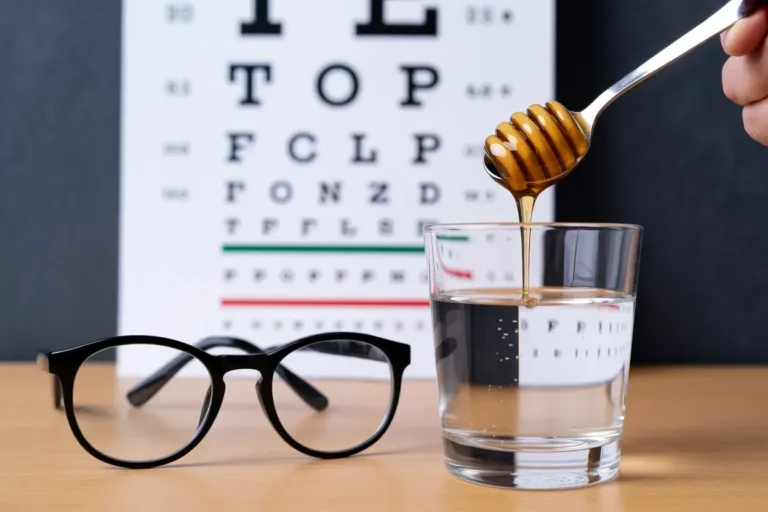
canaan honey for eyes pops up in my inbox every few weeks, usually from a friend who loves natural remedies and also loves dessert. I get it. I’m a honey fan too, and I use it in my kitchen all the time. Before we dive in, I wrote up a full guide on the practical side of honey use that you might find helpful: Canaan honey tricks, benefits, and risks. Today, let’s look at what we actually know about honey and eye health, and how I’d approach it at home as a food-loving human who also enjoys seeing straight. Spoiler: I am more likely to stir honey into tea than drip it into my eyeballs. Ready to dig in?
Claimed Eye Benefits
If you’ve heard the buzz about canaan honey for eyes, the claims usually sound like this: it eases redness, soothes dryness, calms allergies, and even helps with pink eye. These claims mostly come from traditional use stories and a few early studies that used specially prepared, sterile honey eye drops. Not the stuff in your pantry. Still, I understand why it’s tempting. Honey feels gentle, tastes comforting, and comes with a wholesome vibe.
Here’s what people commonly hope honey can do for eyes. I’ll share the claims first, then we’ll stack them up against what science says.
- Soothe irritation: The thick texture might feel protective if used correctly.
- Fight germs: Honey has natural antibacterial properties. More on the science in a minute.
- Ease allergy symptoms: Some believe honey calms inflammation around the eyes.
- Support healing: There are stories about honey helping surface wounds on skin, so the leap to eye surface is common in folk remedies.
Quick reality check from a friendly kitchen: raw honey is not the same as a sterile, lab-made eye product. We’ll talk risks soon, but if you’re craving the comfort of honey, I suggest channeling it into food. A little sweetness can make healthy meals stick in your routine. Try my go-to flavor booster when I need a fast dinner: this 15 minute honey garlic shrimp. It’s bright, sticky, and way safer for your eyes when it stays on your plate.
Honey’s Scientific Properties
Let’s keep it simple. Honey’s potential for eye health comes from a few built-in features that scientists pay attention to.
What’s in honey that matters
Antibacterial punch: Honey contains enzymes that generate tiny amounts of hydrogen peroxide. Some types also carry extra antibacterial compounds. That’s why it’s been studied for wound care on skin.
Antioxidants: Honey carries polyphenols and flavonoids, which help neutralize free radicals. Antioxidants matter for overall health and could be relevant for eye surface health too, but the delivery method is key.
Osmotic effect: Honey is very dense in sugars, which can pull water away from microbes, making it tough for bacteria to thrive.
Now for the important part: the honey used around sensitive places like the eye in medical studies is typically medical grade and sterile. That’s a different world from a pretty jar sitting on your shelf. Using raw honey near your eye is a contamination risk, even if it’s brand new.
How I use honey safely
I keep honey firmly in the kitchen lane for everyday life. Stir it into yogurt with chopped fruit, or sprinkle it over crunchy snacks. If you love that sweet savory crunch, make a batch of honey roasted pumpkin seeds. They’re awesome on salads and soups, and they scratch that honey itch without getting anywhere near your corneas.
What Studies Actually Show
So, is there any science tying canaan honey for eyes to real benefits? There are small clinical trials and pilot studies looking at honey-based eye drops. Most of them use sterile honey formulations in combination with standard treatments. Some studies suggest improvements in redness, discomfort, and tear film quality. Others focus on conditions like vernal keratoconjunctivitis in kids, where honey drops were used alongside regular meds.
What we can take from these studies:
Key takeaways from the evidence
Encouraging but limited: Results tend to be positive, but sample sizes are small, and formulas vary.
Not pantry honey: The honey is prepared for medical use and sterilized. This is not the squeeze bottle by your toaster.
Often adjunctive: Honey drops were often used with standard treatments, not as stand alone cures.
Not specific to Canaan honey: Most studies do not test a single brand or regional honey. So claiming that one variety is best is a stretch.
After reading the research, I stopped thinking of honey as a DIY eye remedy and started thinking of it like a helpful ingredient for dinner and maybe a lab grade tool in a doctor’s hands. My eyes have been happier since I made that shift.
If you want a cozy way to enjoy honey while you’re taking care of yourself, brew a warm herbal tea and sweeten it lightly. My wind down routine sometimes includes a calming tea before bed while I keep screens low and lights soft. And if you need a dessert that feels like a hug, you’ll love this quick honey cinnamon dessert. Comfort for your mood, not your eyeballs.
Eye Drop Risks
Here’s where I put on the cautious friend hat. I love natural solutions. I also love not messing up my vision. If you’re thinking about homemade honey eye drops, read this first.
- Contamination: Pantry honey is not sterile. It can carry spores and microbes, which is risky for the eye surface.
- Pain and irritation: Honey is thick and sticky. It can sting the eye and blur vision temporarily. Not fun if you need to drive or work.
- Allergic reactions: Pollen traces could irritate sensitive folks.
- Contact lenses: Never mix with lenses. Residue and infection risk go up.
- Kids: Just no. Even eating honey is avoided under age one due to botulism risk. For eyes, always talk to a pediatrician.
My safer spin: eat your honey with nutrient rich foods that support overall wellness, including eye friendly produce. A colorful veggie side like honey glazed carrots and green beans gives you beta carotene and fiber alongside that touch of sweetness.
Expert Recommendations
What I’d do if my eyes felt dry or irritated
First step, I’d use sterile, over the counter lubricating drops and take a screen break. If symptoms stick around, I’d call an eye doctor. If a specialist suggests a honey based product, I’d make sure it’s a sterile preparation, not a DIY version.
How to enjoy honey without risking your eyes
Build honey into meals that nourish you. Pair it with ingredients that love your eyes: leafy greens, orange veggies, citrus, nuts, whole grains. Toss sliced apples with feta and a drizzle of honey for a sweet savory pop. This autumn honeycrisp apple and feta salad is my kind of weeknight hero. It’s crunchy, bright, and packs nutrients your whole body appreciates.
If you’re curious about kitchen hacks with honey that stay far from your contacts and corneas, check out my favorite shortcut ideas in this little guide: a quick honey trick that instantly upgrades basic meals.
Bottom line from a home cook’s perspective: canaan honey for eyes is an interest worth following in research settings, but for the average person at home, the safest route is enjoying honey in food and following evidence based care for eye concerns.
Common Questions
Can I put pantry honey directly in my eyes?
No. Pantry honey is not sterile. It can irritate or infect your eyes. If you’re curious about honey based eye products, talk to an eye doctor about sterile, medical grade options.
Does canaan honey for eyes have more benefits than other honeys?
There’s no strong evidence that one regional honey outperforms others for eye use. Most studies do not focus on a single variety, and they use sterile formulations.
What if my eyes are dry from screens?
Try the 20 20 20 rule: every 20 minutes, look 20 feet away for 20 seconds. Use preservative free artificial tears and keep a humidifier nearby. If it persists, see a professional.
Is eating honey good for general eye health?
As part of a balanced diet, honey can complement antioxidant rich foods. Think greens, orange veggies, berries, nuts. It’s not a cure, but it can fit a healthy pattern.
What about allergies and honey?
Some folks report symptom relief with local honey, but evidence is mixed. For eye allergies, proven treatments like antihistamine drops are more reliable.
My take, as your honey loving kitchen friend
Here’s the short scoop. Research on honey drops is interesting and promising in some cases, but it uses sterile, medical grade products alongside standard meds. That’s different from raw honey at home. For now, I enjoy honey in my meals and keep it out of my eyes. If you want to read a controlled clinical example, see this double blind clinical trial on honey eye drops. For a practical safety guide, skim this overview on honey in eyes, uses, benefits, and precautions. And if you’re just hungry now, I’ll nudge you toward something sweet and simple in the kitchen instead.
So, is canaan honey for eyes a miracle? Not quite. Is it worth watching the research and talking to your doctor about sterile options if you’re struggling with certain conditions? Sure. In the meantime, make yourself something tasty and nourishing, keep up with good eye care habits, and save the honey for your bowl, not your blink.